Japanese Lager
Beer Styles
What is a Japanese lager? It's a pale, bottom-fermented beer that grew out of German and Bohemian models and turns out especially dry and lean in Japan. In the BJCP competition guidelines, it falls under International Pale Lager, a category that also includes Mexican beers.
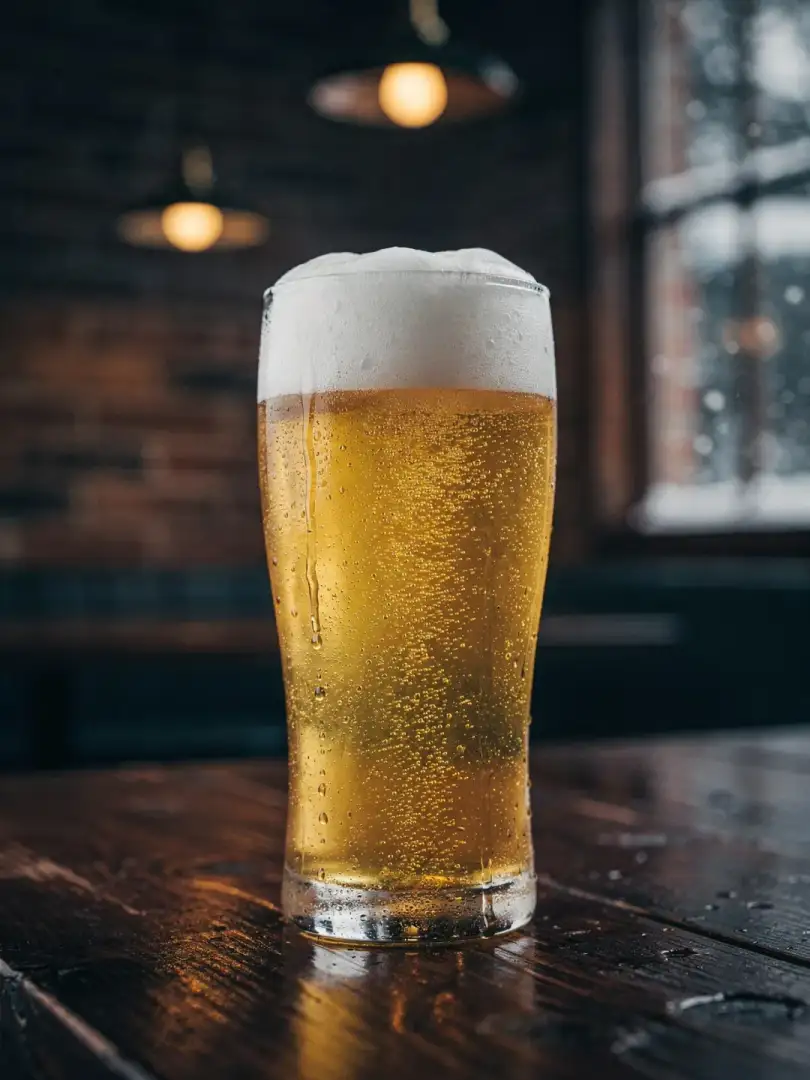
Sapporo's beer is the forebear. It followed the German model Nakagawa Seibei knew, while staying true to lager form: pale gold, white foam, mild malt sweetness, and restrained bitterness. The hops stay in the background, which is exactly what makes the beer so easy to pair with food.
How does it differ from German Pils? Pils is noticeably more bitter — 22 to 40 IBU according to BJCP guidelines — and smells more strongly of hops. Japanese lager sits lower, at 18 to 25 IBU, feeling lighter and going down more easily.
Compared to Munich Helles: Helles is rounder and maltier, while Hokkaido's lager leans crisp and dry. Both are bottom-fermented, both are pale, yet Helles leans toward bread crust while lager leans toward refreshment. At roughly 4.5 to 6 percent alcohol, both sit in the same range.
Then there are the beers from small breweries: a Dunkel or a Weissbier from Otaru. These follow German styles and often taste of caramel, banana, and clove. The figures given describe the style in general — individual beers vary. To know exactly what's in the bottle, check the alcohol content and original gravity on the label.
Japanese Lagerbottom-fermented
- Original gravity
- 10.5–12.4 °P
- Alcohol
- 4.5–6 % vol
- Bitterness
- 18–25 IBU
- Colour
- 4–12 EBC
Pale golden, lean, low hop bitterness, clean dry finish.