Barley and Corn
Malt & Grain
The backbone of Monterrey's lagers is pale barley malt. To make malt, barley is briefly germinated so its starch can later be converted into sugar during the mash. The kiln, a drying chamber with warm air, then stops the germination. The gentler the kilning, the paler the malt stays and the less roasted aroma it carries.
Brewing barley in Mexico grows mainly in the central highlands, in states like Hidalgo, Tlaxcala, and Guanajuato, where it's cooler than in the hot north. Some of the malt is also imported. Maltings are usually located near the growing regions, not in the beer cities themselves.
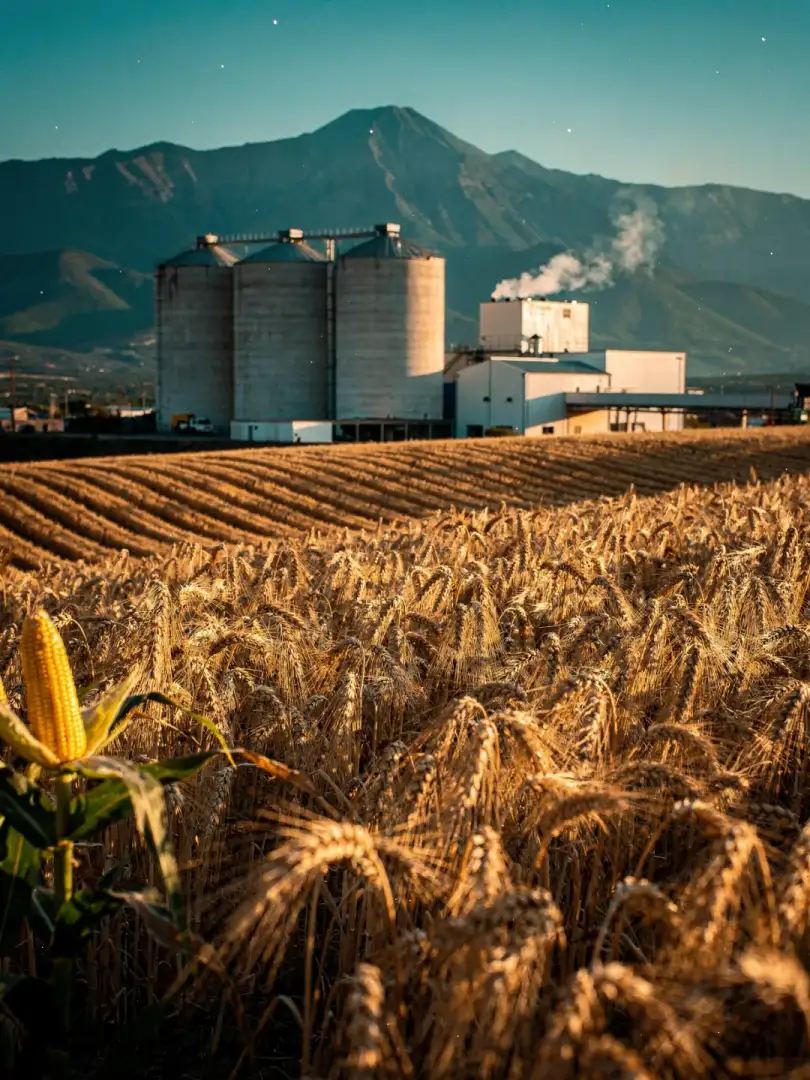
Many lagers of this style replace part of the malt with corn or rice. This makes the body leaner and the color paler. Which recipes the individual brands actually use is something breweries generally keep to themselves. Germany's Reinheitsgebot doesn't apply in Mexico — it's German law, and nobody in Monterrey is bound by it.
Dark malt appears in only a few beers. The seasonal Noche Buena from the Moctezuma line shows how it's done: roasted and caramel malt give it more color and a sweeter, maltier note. Caramel malt is malt that's heated while moist until the sugar in the kernel caramelizes.
On the EBC color scale that brewers use for beer, international pale lagers typically range from about 4 to 12. That corresponds to colors from straw to pale gold. Carta Blanca and its relatives sit within this range.