Dark and Dry
Malt & Grain
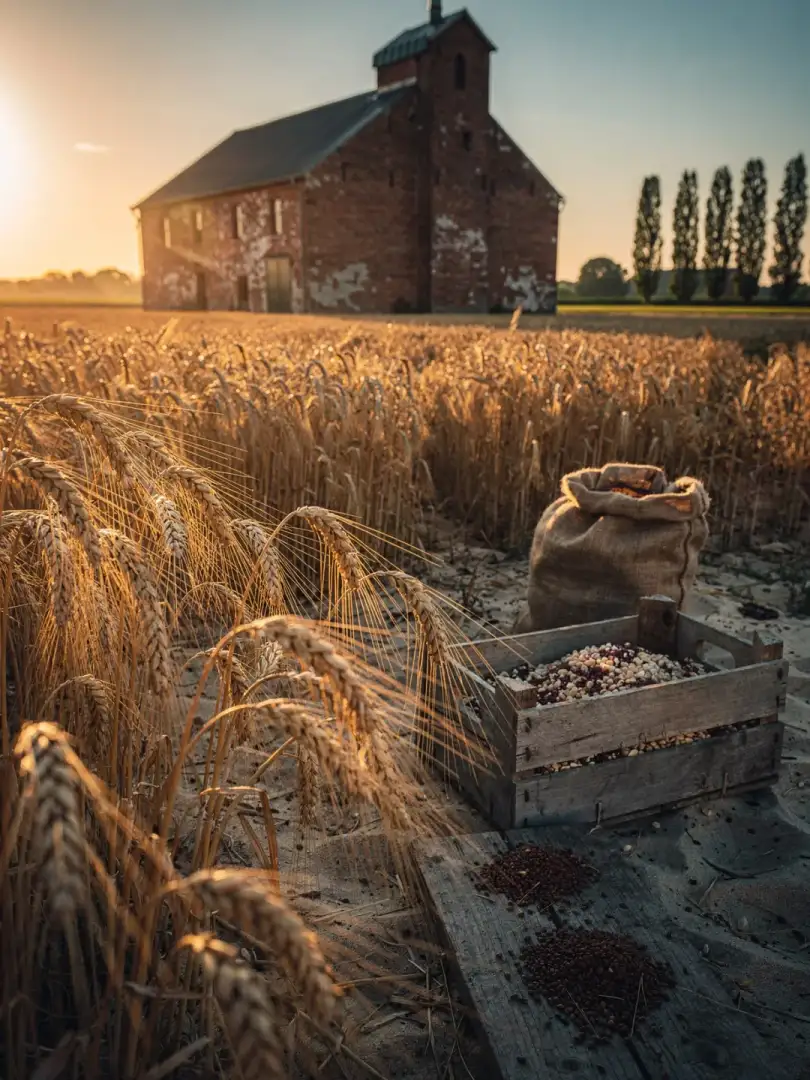
Anyone wanting to know where the dark color and raisin note of a La Trappe Quadrupel come from need only look in the malt sack. According to published descriptions of the recipe, the brewery blends Munich malt, pale malt, and caramel malt, with roasted barley malt added for the Quadrupel.
Malt is barley that has been germinated and kilned—dried and heated. The stronger the heat, the darker and more aromatic it becomes. Pale malt mainly supplies sugar for the yeast and a biscuity flavor. Munich malt smells of bread crust. Caramel malt brings sweetness and color, while roasted malt adds a hint of coffee.
To this is added glucose syrup, a sugar that ferments almost completely. It doesn't make the beer sweeter but rather drier and stronger in alcohol, since the yeast consumes it entirely. Germany's Reinheitsgebot doesn't recognize such ingredients, but in the Netherlands and Belgium they belong to the craft of abbey beers.
The barley for La Trappe, according to the brewery, has come since 2008 from sustainably farming growers in the Netherlands and Germany. The same partnership applies to the hops. So anyone drinking a Trappist beer is also tasting a bit of Dutch and German farming.
Think of it like a recipe: no single ingredient makes the flavor, but rather the blend, with each malt playing its part. Too much roasted malt would make the beer bitter and harsh; too little would leave it flat and overly sweet.
With Bavaria's pilsners, the malt bill looks completely different. There, pale barley malt takes center stage, with no dark components, so the beer stays golden and clear. The difference between abbey beer and pilsner thus begins right in the sack, long before the yeast comes into play.