From the West
Hops
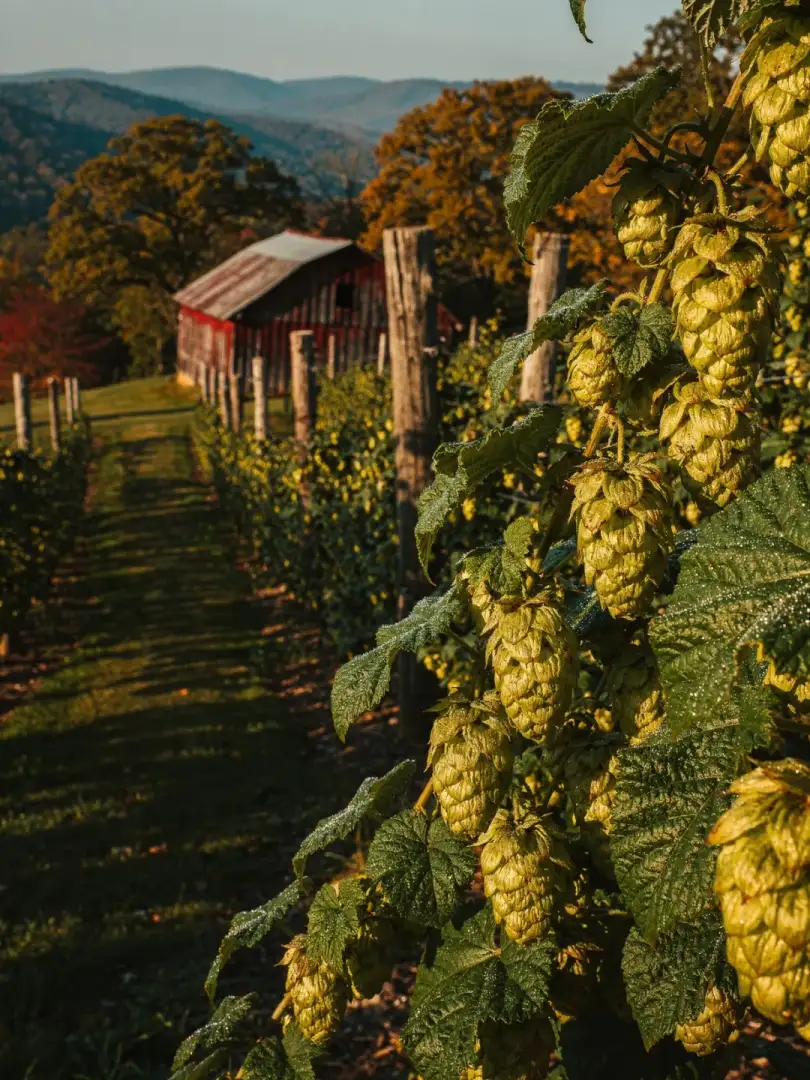
Does hops grow in Pennsylvania? Hardly to any significant extent. Breweries source theirs mostly from the major growing regions in the western USA, especially the Yakima Valley, Oregon, and Idaho. In 2025, the USA cultivated 17,057 hectares of hops and supplied about 40% of the world's alpha acid—the compound responsible for bitterness.
Bittering hops go into the wort early and are boiled for a long time, releasing the bitterness that offsets the malt's sweetness. Aroma hops are added late or even after fermentation and bring fragrance rather than bitterness. This is where the difference between a classic lager and an American India Pale Ale (IPA) becomes clear.
Victory, based in Downingtown, places both worlds side by side. The brewery states that its Prima Pils is brewed with German malt and European hops. HopDevil is an IPA made with American hops, which the brewery describes as piney and citrusy. This is the full spectrum: a pilsner with herbal bitterness and an IPA that smells of resin and citrus peel.
The difference is easy to taste in the glass. A beer with lots of bittering hops tastes sharp and dry, while one with lots of aroma hops smells of fruit, resin, or herbs without necessarily being more bitter. The unit of measurement for this is IBU, International Bitterness Units. A pilsner usually falls between 22 and 40, an American IPA between 40 and 70.
Among the classic American varieties is Cascade, introduced in 1972 and still one of the cornerstones of the craft beer movement today. Centennial, Citra, Mosaic, and Simcoe also hail from the West. So anyone ordering an IPA in Pennsylvania is usually drinking hops that have traveled several thousand miles.