Pale Ale, IPA
Beer Styles
What's the difference between pale ale and IPA? The IPA is the stronger, more bitter, hoppier sibling. An American pale ale runs 4.5 to 6.2 percent alcohol by style guidelines, while an American IPA runs 5.5 to 7.5 percent.
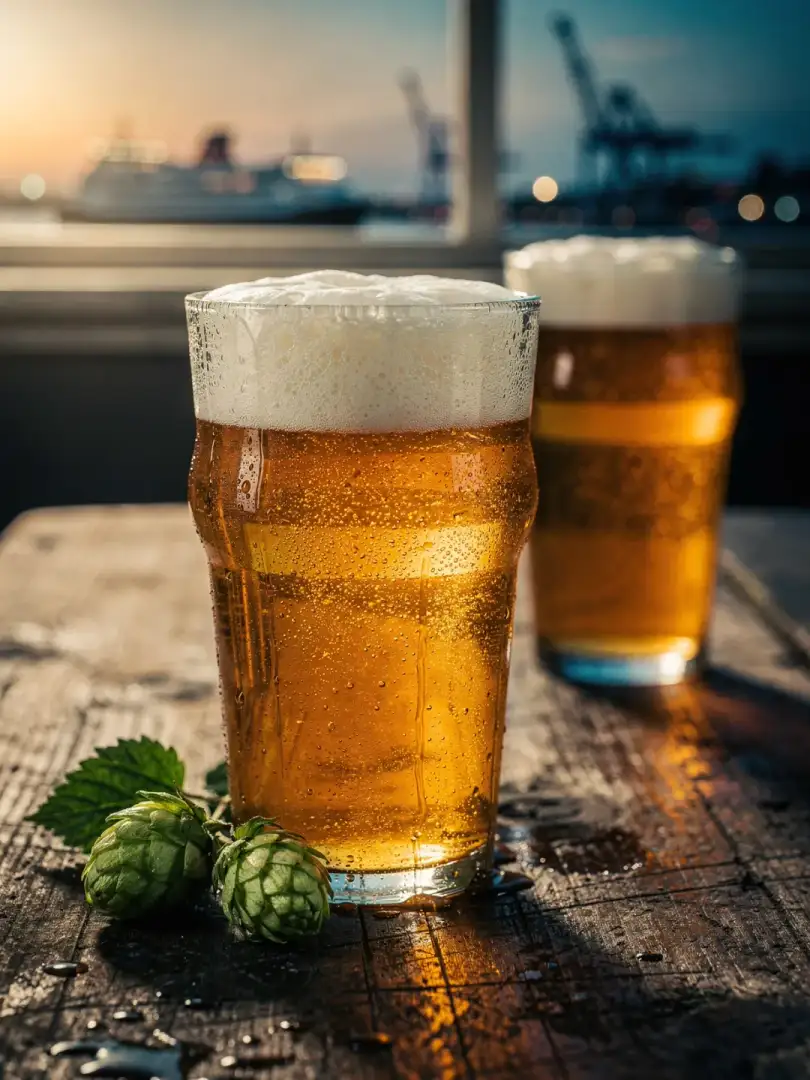
The American pale ale is the beer that started the craft movement. It's golden to copper in color, shows citrus and floral notes from the hops, and reveals a touch of bread and caramel in the finish. It drinks easily and carries only medium body.
The American IPA, also called West Coast IPA, is paler and drier, with grapefruit, pine, resin, and a clearly perceptible bitterness. The English IPA, by contrast, uses English varieties with herbal and earthy notes and a fuller malt body. The American version is louder and fruitier.
The Hazy IPA is the newer variation. It's cloudy, soft, and juicy, with less perceptible bitterness at 25 to 60 IBU. The haze comes from hop oils and protein, and it's intentional. Seattle brewers feel at home on both sides of the divide.
And American lager, the style Rainier made famous? It's pale, lean, and mild, and at just 8 to 18 IBU, it's the complete opposite. Today it stands in the shadow of hop-forward beers, but it shows just how different Seattle's beer scene once looked. Redhook and the brewers of Georgetown, Ballard, and Fremont later built their business around ales, because they could offer something the big lagers couldn't: aroma, character, and variety from batch to batch.
American Pale Aletop-fermented
- Original gravity
- 11.2–14.7 °P
- Alcohol
- 4.5–6.2 % vol
- Bitterness
- 30–50 IBU
- Colour
- 10–20 EBC
Golden to copper, citrus and floral notes, light bread tones, medium bitterness.