Keeping Cool Against the Heat
Yeast & Fermentation
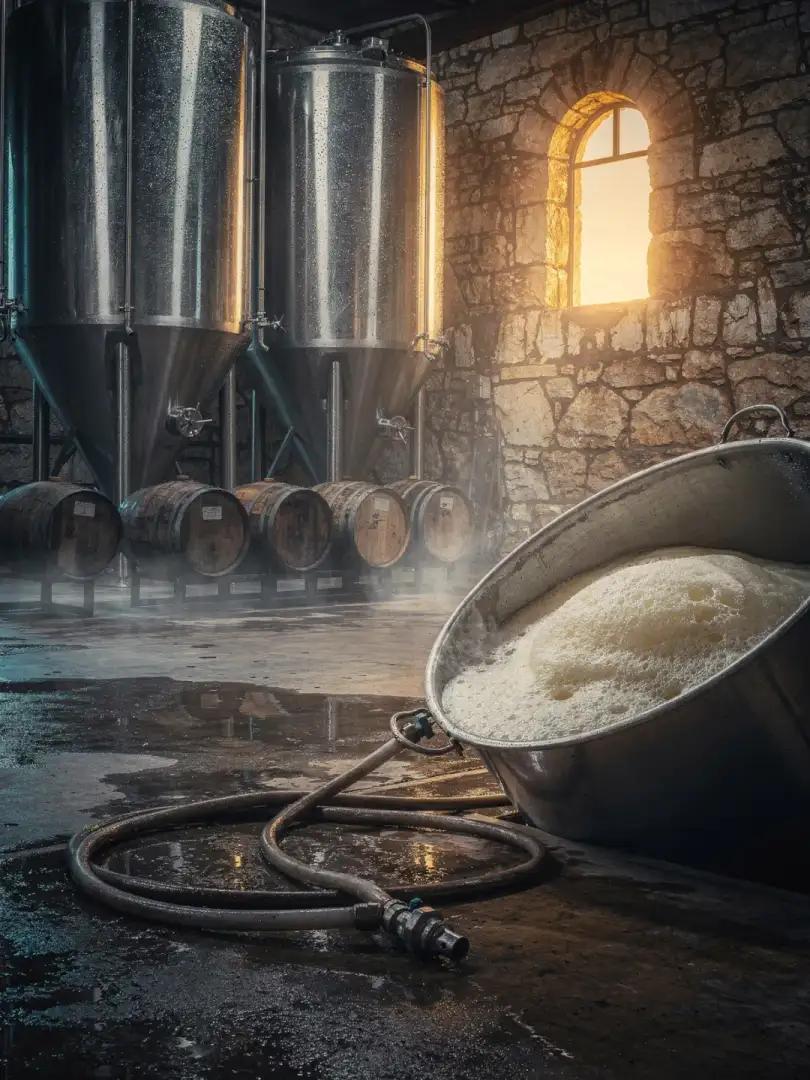
Lager or ale: the Texas Hill Country has both, and the heat demands technology. Lager ferments at cool temperatures of 8 to 12°C with bottom-fermenting yeast, then conditions cold for weeks. In Texas summers, that only works with refrigeration. German settlers once brewed their lagers in winter and stored them in ice cellars; today, jacketed cooling tanks do the work.
Ales, by contrast, ferment warm—around 18 to 22°C—with top-fermenting yeast, and are ready within a few weeks. That suits Texas well. Real Ale brews a pale ale called Fireman's #4 alongside a lager, Hans' Pils. Both yeast types run side by side in the same brewery.
Jester King goes further. The brewery describes itself as a farmhouse operation that makes wild and spontaneously fermented beers, relying on naturally occurring yeasts from the Hill Country. Spontaneous fermentation means the wort isn't inoculated with purchased yeast but left to airborne and local microorganisms. This takes months and yields flavors that are tart, dry, sometimes hay-like or lemony.
Spoetzl relies on lager yeast for Shiner Bock. It ferments cleanly and produces few fruity esters, letting malt and roast character speak for themselves. The brewery doesn't disclose further details on yeast strains or fermentation time. Lager yeast also works slowly in the cold, so a beer like this takes weeks rather than days. That patience pays off in a round, settled flavor.