Barolo, Moscato, Branda
Spirit Style
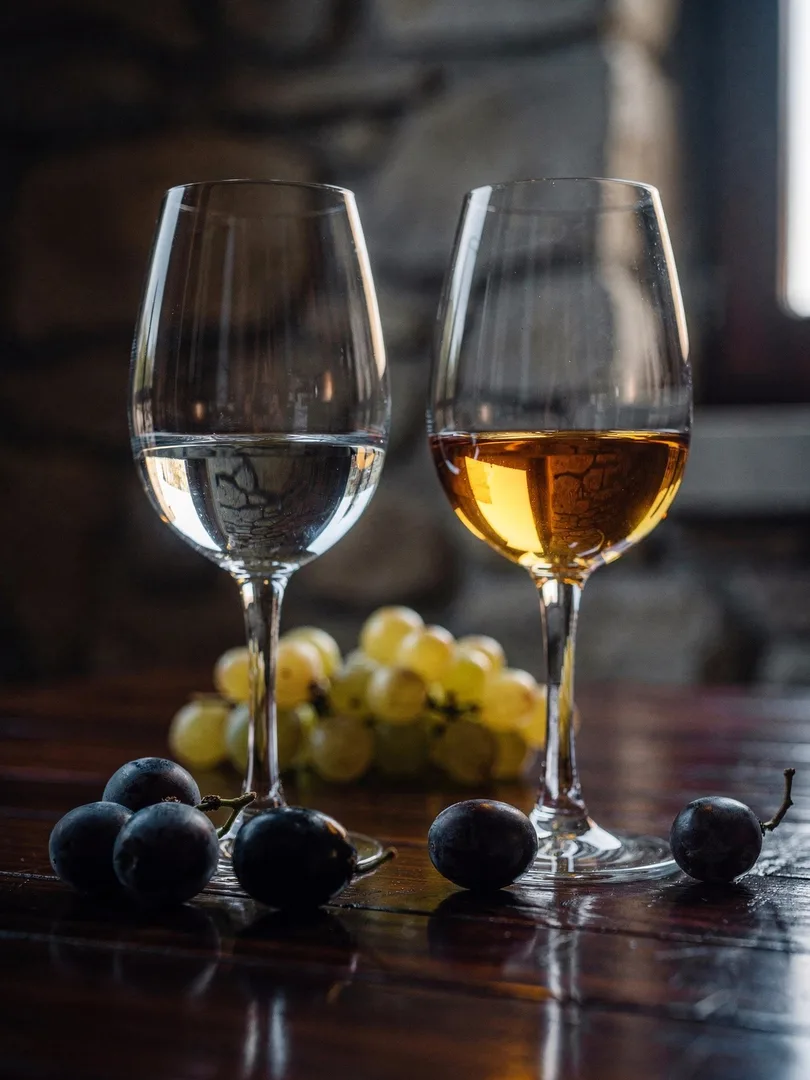
Grappa di Barolo smells like the wine it comes from, only more intense. Nebbiolo pomace brings spice, red berries and a bitter edge; unaged, it sits clear in the glass and tastes dry, while in wood it becomes rounder and darker. Because of its strict provenance—Barolo DOCG only—it is regarded as the region's flagship spirit, and alongside the general Grappa piemontese, it is the only one with its own protected designation.
Grappa di Moscato is its counterpart. It carries no protected geographical indication of its own, but it belongs to the identity of Canelli and Mombaruzzo. The pomace smells of muscat, blossom and ripe grape, and that character carries through into the spirit: soft, aromatic, and dry on the palate. The Grappa Institute notes that it pairs especially well with cheese.
Grappa piemontese, finally, is the umbrella name for everything distilled from the pomace of Barbera, Dolcetto, Nebbiolo and other approved varieties. It may be young and clear or aged in wood. Compared with grappa from Veneto, often made from Glera pomace left over from Prosecco, Piedmontese spirits tend to be more robust and spicier.
The Aosta Valley adds a fourth note. Its grappa is distilled from the valley's mountain wines and comes from small, batch-run pot stills. What unites them all: producers stick with steam and small batches because they want the character of each individual grape variety to come through clearly.
This fits with the growing trend toward single-variety bottlings, called monovitigno in Italian. Rather than blending pomace, houses like Marolo present Nebbiolo, Barbera, Moscato and Arneis separately in the glass, each with its own signature. Tasting them side by side quickly reveals that the raw material matters more than any label—and that even two spirits from the same village need not taste alike.
Grappa di BaroloPomace brandy · Nebbiolo pomace from Barolo DOCG
- Alcohol
- 40–45 % vol
- Maturity
- 0–5 Years
Spicy, red berries, bitter edge; clear when unaged, amber and rounder in wood.