Skip to content
Gustofolio
Knowledge HubProducersMeet & TasteEvents
CaptureCollectionTasteEnjoyShare
Roadmap
Knowledge HubProducersMeet & TasteEvents
CaptureCollectionTasteEnjoyShare
Beta roadmapCreate account
Legal NoticePrivacy
ENSign inCreate account
Drinks EncyclopediaLexiconKnowledge JourneysJourneysTopic WorldsTopicsAll ArticlesArticlesCocktail RecipesCocktailsRecipes with drinksRecipes
Encyclopedia/Cocktails

Cognac · Built in the glass

French Connection

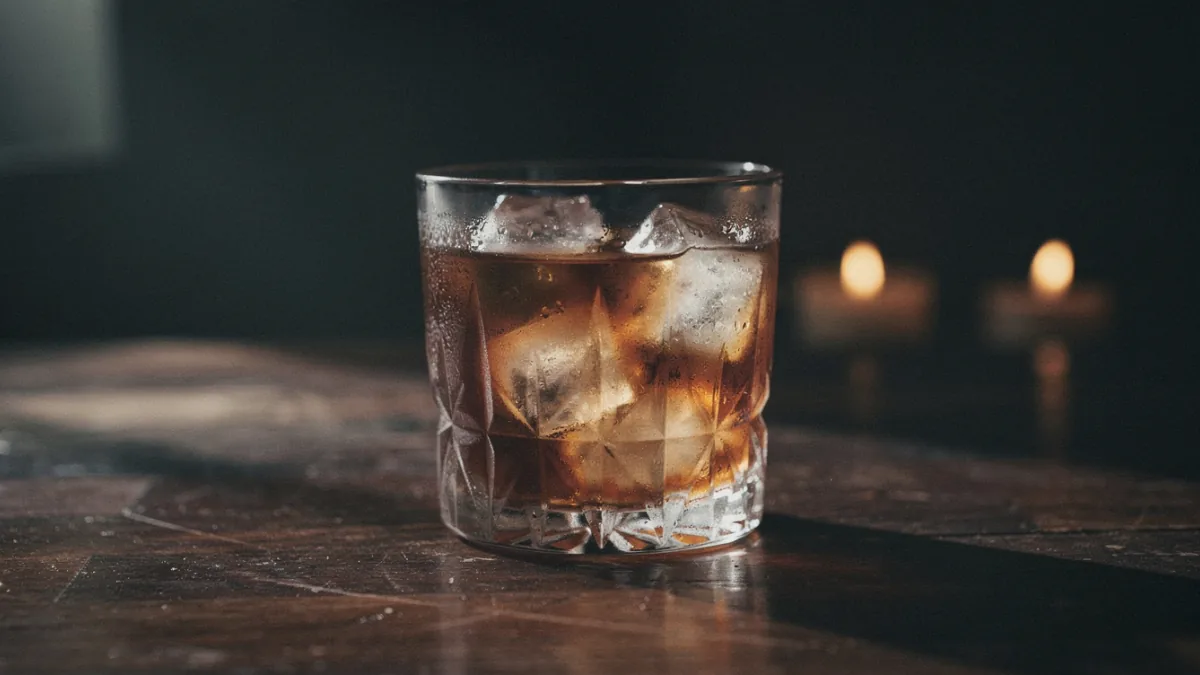
Two ingredients in equal parts: Cognac and Amaretto, over ice in a tumbler. The drink tastes smooth, sweet, and nutty, leaning more toward dessert territory than toward fresh citrus cocktails.

As of: 17. September 2026 · 1970s

French Connection im Tumbler

Ingredients

  • 35 mlCognac
  • 35 mlAmaretto
Glass
Tumbler
Method
Built in the glass
Garnish
keine
Taste
sweet, bold
Calories
approx. 190 kcal per drink

How do you like the recipe?

4.5 · 15 ratings

  • Dennis · September 2026

    Der Cognac ist direkt da, aber Amaretto bleibt trotzdem schön im Hintergrund.

  • Bastian · September 2026

    Bei mir dürfte Amaretto ruhig noch ein bisschen stärker rauskommen.

  • Mia · September 2026

    Mir gefällt die herbe Seite deutlich mehr als die Süße. Das hatte ich so nicht erwartet.

  • Lea · September 2026

    Ich mag hier vor allem Amaretto; das macht den Drink irgendwie eigenständig.

  • Jan · September 2026

    Ich würde ihn eher nach dem Essen bestellen als davor. Gerade Cognac macht ihn für mich interessant.

  • Nina · September 2026

    Nicht schlecht, aber süß ist hier schon ziemlich dominant. Mit etwas mehr Zeit im Glas verändert sich der Eindruck.

  • Elena · September 2026

    Was mir gefält: Amaretto kommt nicht nur am Anfang, sondern auch hinten raus.

  • Alina · September 2026

    Ein Tick weniger süß, dann würde ich ihn öfter bestellen. Das hatte ich so nicht erwartet.

  • Matteo · September 2026

    Der Cognac wirkt nach dem ersten Schluck fast stärker als beim Nachtrinken.

  • Jasper · September 2026

    Beim ersten Schluck war mir Cognac fast zu deutlich, danach hats besser gepasst.

  • Pia · September 2026

    Für mich sitzt die Balance genau zwischen warm und mandelig und etwas mehr Wucht.

  • Hannes · September 2026

    Wenn man Cognac mag, ist der hier schon ziemlich passend.

  • Nico · September 2026

    Ich finde ihn gelungen, auch wenn Cognac für meinen Geschmack etwas zu kräftig ist. Mit etwas mehr Zeit im Glas verändert sich der Eindruck.

  • David · September 2026

    Ich war bei Amaretto erst skeptisch, aber das funktioniert.

  • Katharina · September 2026

    Das ist kein Mainstream-Geschmack, aber genau das mag ich daran. Die Aromen von Amaretto bleiben bei mir ziemlich lang hängen.

Preparation

  1. Fill the serving glass with solid ice cubes.
  2. Add the measured ingredients.
  3. Stir gently until the drink is cold and the ingredients have combined.

What does it taste like?

Sweet and smooth—that's how this drink begins. Amaretto tastes of almond and marzipan and supplies all the sweetness, since no syrup is added. The Cognac sits behind it, delivering depth from the cask: dried fruit, vanilla, and a touch of oak. Acidity is entirely absent, and that's exactly what makes the drink so round yet so heavy at the same time. It's strong to boot, since both components are spirits and there's no juice to stretch it. As you drink, the ice melts, the drink cools and lightens slightly, and the almond note lingers to the end.

When does it work best?

This cocktail belongs at the end of a meal, alongside coffee or as a nightcap. Anyone who loves sweet flavors and shies away from sour drinks will take to this one easily. Seasoned drinkers appreciate it because the Cognac still comes through despite the liqueur. Beginners should take it slow, since 70 milliliters of pure spirit packs a punch. It's not suited as an aperitif—too sweet and too heavy for that.

What matters

Amaretto already brings plenty of sweetness, so don't add any syrup. With just two ingredients, quality is what decides the outcome: choose a Cognac whose cask notes can still be tasted alongside the liqueur. A very mild Cognac will simply vanish. If the result turns out too sweet for you, use a bit more Cognac and a bit less liqueur next time. Large ice cubes melt more slowly and dilute the drink less.

French Connection — detail

Where the drink comes from

The name references the film The French Connection from 1971. The mix itself appears in recipe books from the 1970s. Alongside it, there were other combinations of Amaretto and various spirits built on the same pattern. The French element in the name comes from the Cognac, since that's where it originates. Some claim a film star invented the drink. This can't be verified, and it certainly doesn't follow from the film title alone.

Related knowledge

  • Cognac and Armagnac: Two Origins for Brandy
  • Cocktail Balance: Sweetness, Acidity, Bitterness, Dilution

In the same direction

You might enjoy this too.

  • Alexander

    Cognac, cocoa liqueur and cream in equal parts: the Alexander is a sweet, velvety drink. It tastes more like a small dessert in a glass than a fresh cocktail.

    To the recipe ↗
  • Between the Sheets

    Rum and Cognac share the base, orange liqueur bridges the two, and lemon pushes back against them. Between the Sheets is a strong, dry citrus cocktail in the style of a Sidecar.

    To the recipe ↗
  • Brandy Crusta

    Brandy with lemon, two liqueurs and bitters, served in a small stemmed glass with a sugared rim. In the Brandy Crusta, the sugar rim and the wide citrus peel are an essential part of the drink.

    To the recipe ↗

What's in your bar?

With Gustofolio, you keep track of which bottles you have — and what becomes of them.

Discover Gustofolio ↗

Images generated with AI · Text AI-assisted, editorially reviewed

Gustofolio
Drinks EncyclopediaCocktail RecipesRecipesProducersTastings near youEventsWine App GuideBeer App GuideWhisky App GuideTasting App GuideBeta RoadmapPrivacy PolicyTerms of UseLegal NoticeContact

May we measure which areas get used?

With Google Analytics and a cookie, without the contents of your collection. You can change this anytime. Privacy policy