Preparation
- Chill the serving glass. Pour the measured ingredients into a shaker.
- Add plenty of solid ice cubes and shake vigorously for about 10–15 seconds.
- Strain into the chilled glass through a bar strainer; the shaken ice stays in the shaker.
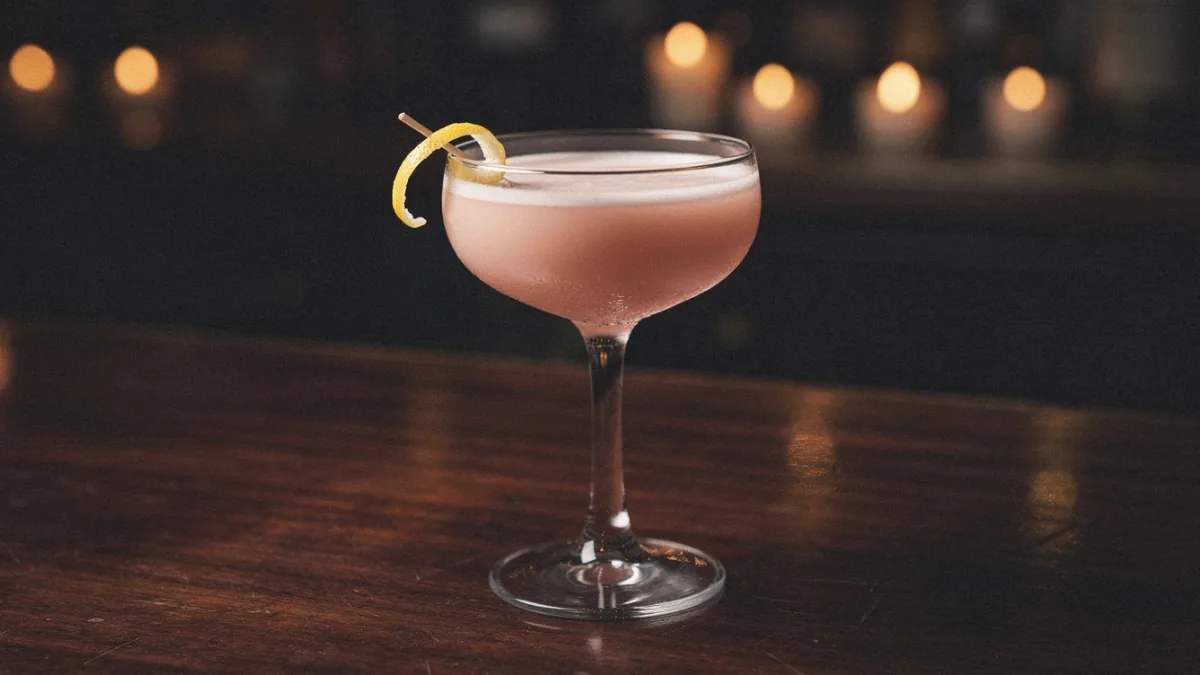
- Finish by garnishing: a lemon zest twist expressed over the drink.
What does it taste like?
Raspberry leads the way here. The liqueur brings the fruit flavor and nearly all the sweetness, since no sugar is added otherwise. Pineapple juice rounds out the drink and gives it a light acidity that keeps the sweetness in check. The vodka itself is barely noticeable in flavor but delivers the punch: 45 milliliters is more than half the glass. Shaking creates a fine foam layer on top—only the pineapple juice can achieve that. The expressed lemon zest hovers over everything as a fresh aroma. In the finish, berry lingers, slightly sticky but never heavy.
When does it work best?
A great starter cocktail. It tastes fruity, not bitter and not sour, so almost everyone gets on with it. It works best as an aperitif or early in the evening, whenever things should stay light. Still, it's sweet, and you'll notice that by the second glass. If you're after bold or dry drinks, you're better off with a Dry Martini.
What matters
Use fresh pineapple juice and shake it really vigorously. Only then will the fine foam cap that defines the drink form. Juice from a carton barely foams and tastes flatter. Also reach for a neutral vodka: a flavored one will clash with the raspberry and pineapple and throw off the whole drink. Finally, express the lemon zest over the glass—the oil from the peel makes all the difference.
Where the drink comes from
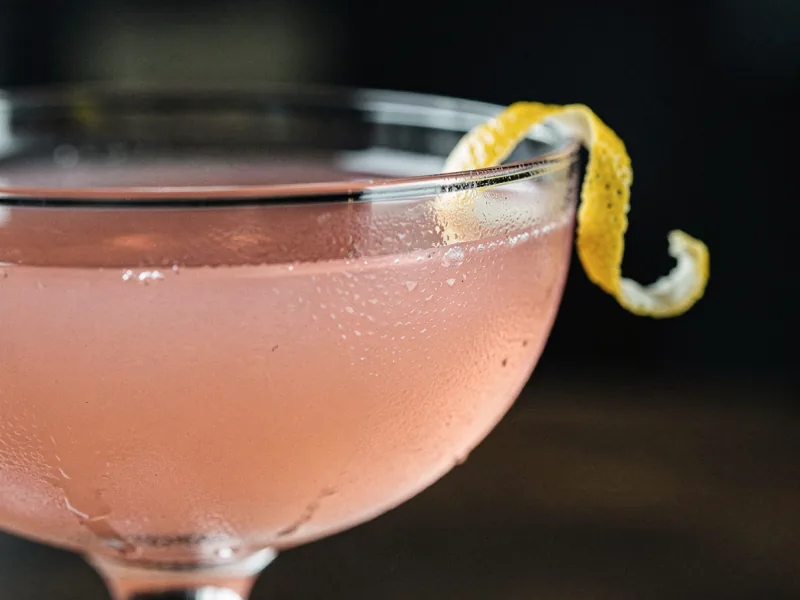
The French Martini originated in New York's bar scene in the late 1980s. At the time, it was fashionable to serve fruity vodka cocktails in the V-shaped glass and call them martinis. It therefore has nothing to do with the classic recipe of gin and vermouth—the name mostly describes the glass shape. It's called French because of the liqueur, not the method. The pineapple contributes more than just fruitiness: it's what creates the fine foam layer when shaken, the drink's signature feature.