Vodka · In the glass
Black Russian
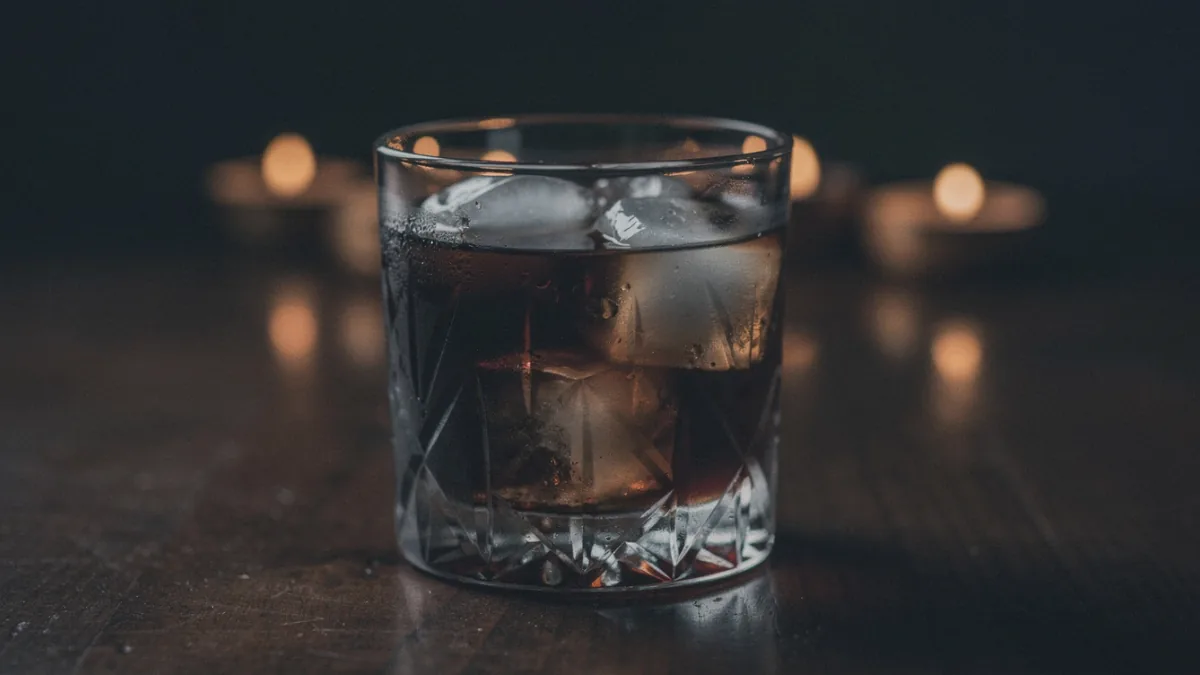
Vodka and coffee liqueur over ice—that's all the Black Russian is. It tastes dark and coffee-forward, carries noticeable sweetness, and comes entirely without cream.
As of: · Brussels, 1949
Images generated with AI · Text AI-assisted, editorially reviewed
Vodka · In the glass
Vodka and coffee liqueur over ice—that's all the Black Russian is. It tastes dark and coffee-forward, carries noticeable sweetness, and comes entirely without cream.
As of: · Brussels, 1949
Coffee sets the tone. The liqueur brings it along with all the sweetness; it's noticeable but not syrupy. Vodka tastes like little on its own and mainly makes the drink strong and clean. More than two-thirds of the liquid is vodka, against just 20 milliliters of liqueur. There's no acidity at all, and no carbonation either. That's why the Black Russian feels dense and calm, almost like a cold, sweetened espresso with a kick. The ice in the glass keeps working: the longer it sits, the softer and milder it becomes.
The Black Russian suits the after-dinner hours, as a nightcap late in the evening. Coffee lovers will take to it right away, since nothing here tastes bitter or sour. Before a meal it's too sweet and too heavy. Beginners should sip it slowly: the glass is small, but the share of pure spirit inside is high.
What matters
Use one large ice cube or at least several solid ones. Plenty of ice melts more slowly, and the drink stays as you built it for longer. Stir only briefly, until the glass is cold. Cream doesn't belong in this one—add it and you've made a White Russian. If the result is too sweet for you, use a little less coffee liqueur next time.
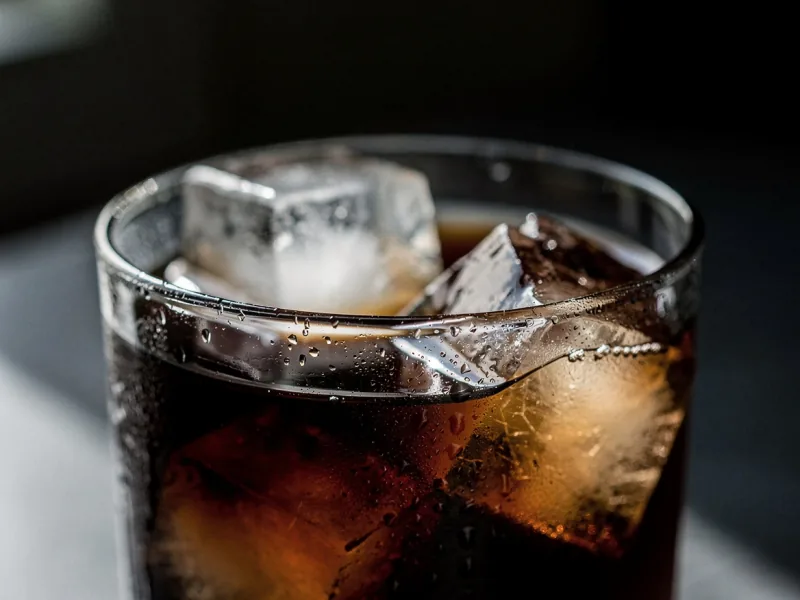
The Black Russian is credited to bartender Gustave Tops, who worked at the Hotel Metropole in Brussels. He's said to have mixed it in 1949 for the American diplomat Perle Mesta. Despite its name, the drink has little to do with Russia. Black refers to the dark color of the coffee, Russian to the vodka. No Russian origin has ever been proven. So the name describes what's in the glass, not where it came from. The recipe has stayed short to this day: two ingredients, nothing more needed.
In the same direction
Fresh espresso, vodka, coffee liqueur, and a touch of sugar syrup, shaken hard. On top sits a fine layer of brown foam, crowned with three coffee beans. Aside from the glass, this drink has nothing in common with the classic gin-and-vermouth Martini.
Zum RezeptVodka, raspberry liqueur, and fresh pineapple juice, shaken vigorously. The drink arrives fruity and mellow in the glass, topped with a fine foam cap from the pineapple. Vermouth or gin, as in the classic Martini, are nowhere to be found here.
Zum RezeptFour spirits and an orange liqueur in the same glass, plus lemon, sugar syrup, and a splash of cola. There's no tea in it: the name comes from the color. A long drink that's much stronger than it tastes.
Zum Rezept