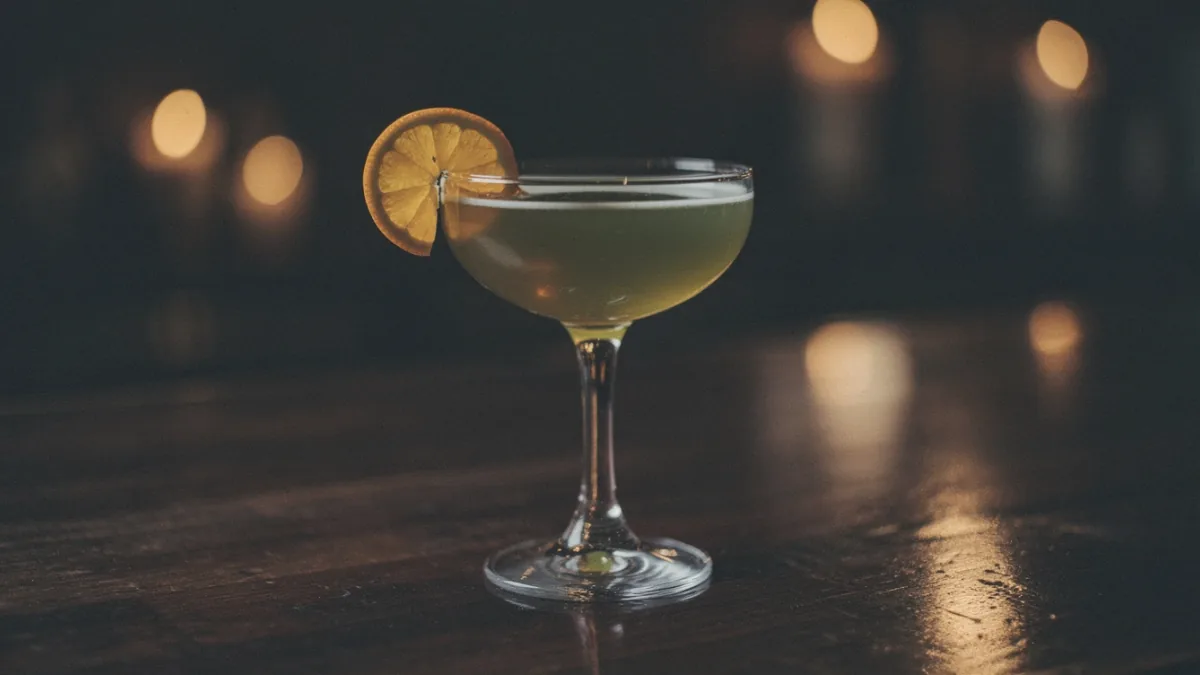
Preparation
- Pre-chill the serving glass. Add all ingredients to a mixing glass with plenty of ice.
- Stir with a long spoon until the mixture is well chilled and slightly diluted, about 20–30 seconds as a starting point.
- Strain through a bar strainer into the chilled glass, leaving the stirring ice behind.
- Garnish to finish: orange slice.
What does it taste like?
The Tipperary starts sweet and round. That comes from the red vermouth, a sweetened aromatized wine. After that, the Chartreuse pushes forward: a green herbal liqueur, sweet and intensely herbal at the same time. It's the most noticeable ingredient in the glass, even though only 15 milliliters are in there. The Irish whiskey carries it all with soft grain and a bit of malt. The bitters set a spicy final note. There's no acidity, no juice either. 90 milliliters of spirit, wine, and liqueur combine into a dense, warm drink that lingers a long time.
When does it work best?
A drink for after dinner or for a quiet evening in an armchair. It's strong and sweet, and distinctly herbal too, which comes down to taste. If you like herbal liqueurs, you'll love it. Others quickly find it too overpowering. Beginners should be cautious: the Chartreuse is loud and covers up much of what you'd normally recognize in the whiskey.
What matters
Measure the Chartreuse precisely. It's the most assertive ingredient in the glass, and one splash too many will push both the whiskey and the vermouth completely aside. 15 milliliters is the starting point. Stir long enough, about 20 to 30 seconds, so the mixture gets cold and picks up some water. Without this dilution, the drink feels harsh and the herbal liqueur even louder.
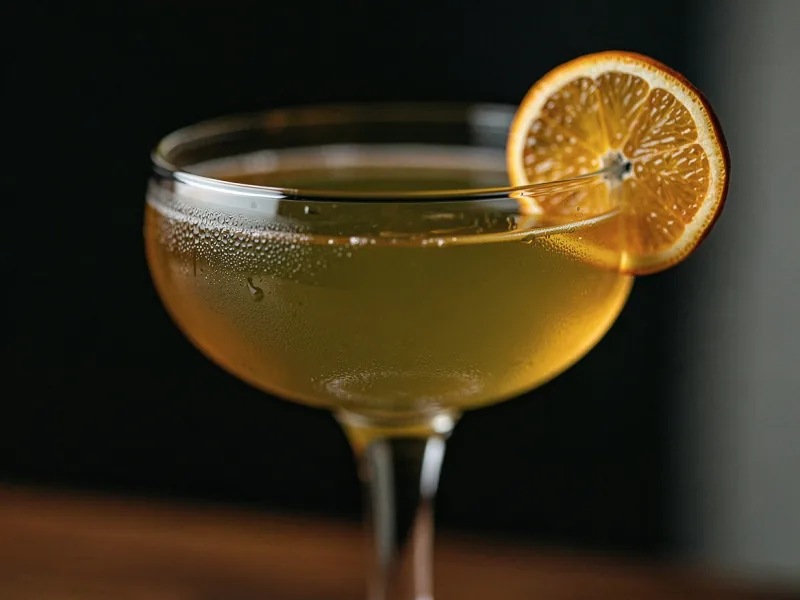
Where the drink comes from
One version of the Tipperary is documented in 1916, with Irish whiskey, Chartreuse, and vermouth. The old recipes, however, differ significantly in proportions. Some give the herbal liqueur more room, others the whiskey. On top of that, entirely different drinks also go by the same name. The version here gives the whiskey more space than its two partners. The Irish name fits the base spirit. But it's not proof that the drink actually originated in Ireland.