A bar culture on the rise
The Martini, Prohibition, and the cocktail era
Between the 1880s and the 1930s, gin became the tool of a new bar culture. The Martini was born, and of all things, an alcohol ban in the US ended up giving gin and the art of mixing a real boost.
How the Martini came to be
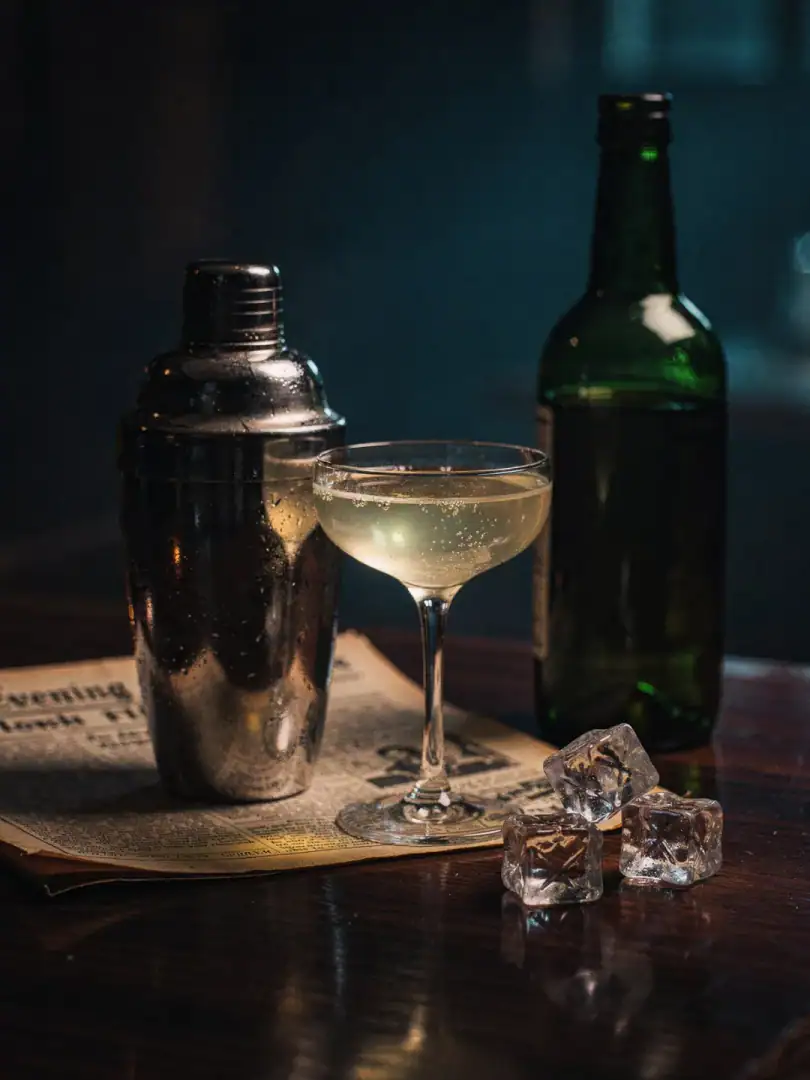
The exact origin of the Martini can't be pinned to a single date. The basic formula, gin and vermouth shaken or stirred in a given ratio, took hold in the US and Britain toward the end of the 19th century. Early recipes called for far more vermouth, the aromatized white wine infused with herbal extracts, than today's very dry version. Over the decades, the proportion of vermouth kept shrinking. What remained was that crisp, almost pure gin drink still regarded today as the epitome of American bar culture.
Suggested origins for the name range from the Californian town of Martinez to the vermouth brand Martini & Rossi, but none of these stories can be proven beyond doubt. More important than the origin of the name is what the Martini meant for gin. It turned the clear, dry London Dry Gin into the top choice of the fine bar, while sweeter, older styles increasingly fell out of fashion. Bartenders began to measure their skill by the ratio of gin to vermouth. The precision of preparation now mattered as much as the drink's sweetness.
Another gin cocktail from that era still carries a military name today: the Gimlet. It too originated in the Royal Navy. There, lime juice was preserved with sugar to create what became known as Rose's Lime Juice Cordial, meant to prevent scurvy. Mixed with gin, this syrup produced a simple, refreshing drink. Many sources trace the name back to naval surgeon Sir Thomas Gimlette. Whether this origin is accurate, or whether the name instead comes from the small hand drill of the same name, is a matter of debate among connoisseurs. What is certain is that, much like the gin and tonic, the Gimlet arose out of a practical necessity aboard ship.
Prohibition and Bathtub Gin
In 1920, a nationwide alcohol ban took effect in the US and lasted until 1933. Legal trade in spirits came to a virtual standstill, yet demand never went away. A massive black market emerged. Because genuine, aged whiskey or brandy took time to produce, many bootleggers turned to gin instead. Neutral spirit could be mixed with juniper oil and water within hours into something that vaguely resembled gin. These improvised mixtures were often made in bathtubs, since their size was the only available means of stirring the necessary amounts of water. That's where the name Bathtub Gin comes from.
In the secret bars of Prohibition, the speakeasies, this often raw gin was mixed with citrus juice, sugar, and other ingredients to mask its poor taste. Paradoxically, this stopgap solution gave a real creative boost to the art of the cocktail. Bartenders forced to work with bad raw gin kept inventing new mixtures to make it drinkable. Many American bartenders also emigrated to Europe during this period. They brought their craft to London and Paris, where gin cocktails enjoyed a second golden age.
Gin as a symbol of the Roaring Twenties
After Prohibition ended in 1933, gin made its comeback in the US, this time as the glamorous drink of bars and hotel lounges. Such scenes turned up constantly in the films and magazines of the era. In Europe, American cocktail techniques had already blended with local bar traditions, notably at London's Savoy Hotel. Its head bartender, Harry Craddock, captured many gin recipes for generations to come in his 1930 Savoy Cocktail Book. Gin had at last moved on from a niche medicinal product to become a fixture of international bar culture.
This golden phase, however, didn't last forever. After the Second World War, trends in the bar gradually began to shift. A new, flavor-neutral competitor emerged from Eastern Europe. How gin spent several decades in its shadow is the subject of the next stop.