The short answer
Pink gin is an ambiguous term. The classic cocktail mixes gin with aromatic bitters. Rosé-colored bottled products, on the other hand, can be flavored with fruit or other ingredients and vary greatly in sweetness.
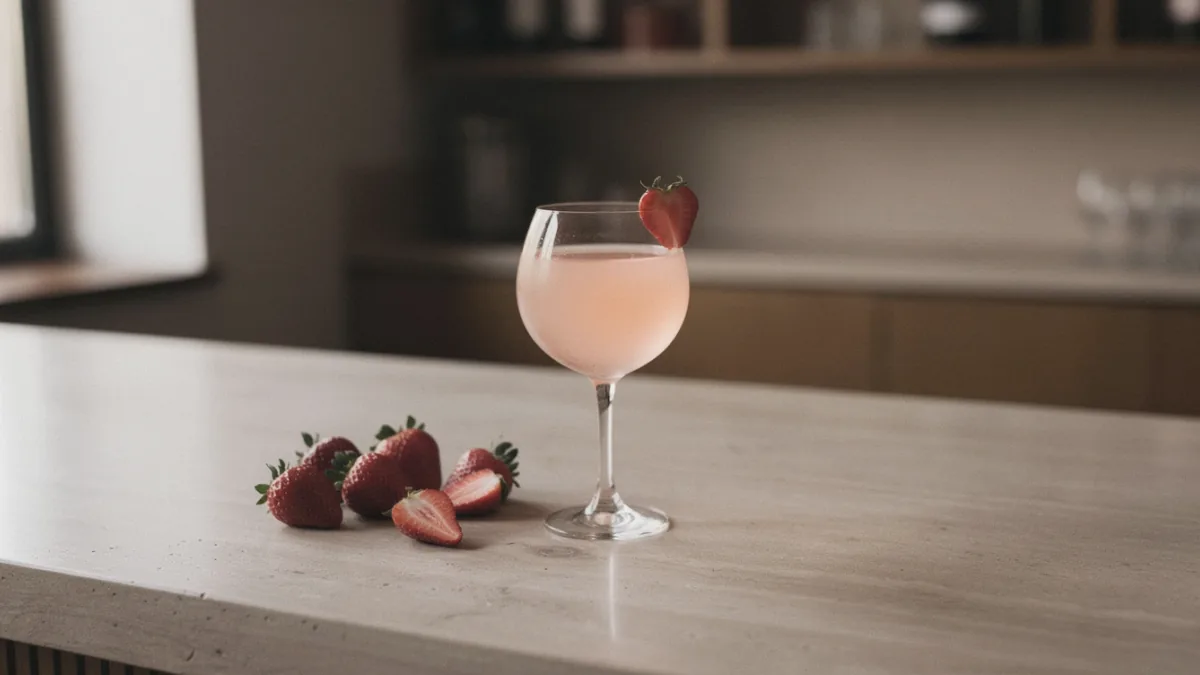
The classic Pink Gin cocktail
In the classic drink, a few dashes of bitters tint the gin a light pink. Bitters are highly concentrated herbal extracts, of which just a few drops are enough. The drink therefore remains spirit-forward. It has nothing to do with a sweet berry drink. Even the amount of bitters noticeably changes the aroma and bitterness. A large glass or a striking pink color doesn't turn it into a light long drink. The pink color is more of a side effect. What's intended is the spice that the bitters bring.
This drink originated in the British Navy. Bitters were carried on board as a remedy for seasickness and were mixed with gin. That's why it's spirit-forward and bone dry. It shares only its color with today's rosé-colored bottled products. Anyone who orders one expecting the other is in for a surprise.
What's in the rosé-colored product
With modern products, berry flavors or other ingredients often define the style. Read the exact designation on the bottle first. Does it say gin, another spirits category, or liqueur? Color alone reveals neither the sugar content nor the alcohol content. A fruity aroma doesn't necessarily mean it's been heavily sweetened either. The large print on the front of the bottle is marketing. The legal designation is usually found on the back or in small print at the edge. That's what helps you in the glass, not the front label.
Pay particular attention to the alcohol content. If it's clearly below 37.5 percent, it can't legally be called gin under EU law. In that case, the label will state a different category, usually in small print. That's not a flaw—it simply explains why a familiar recipe behaves differently with this bottle.
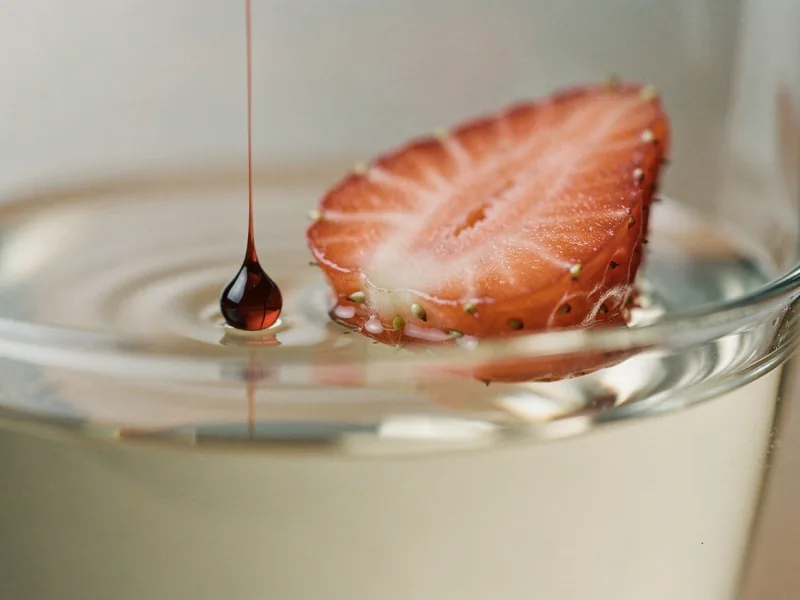
How to find the right mixer
Try a small amount first with soda water. That way you'll get to know the bottle's sweetness without anything else masking it. A dry-tasting tonic adds bitterness and balances out sweetness. A sweet soda, by contrast, increases the overall sweetness of the drink. Leave out additional berries on your first attempt. Only change the garnish once you can judge the bottle's flavor. Otherwise, you end up judging the berries in the glass instead. Note down which combination you liked. After a few tries, you'll know your own sweetness threshold. That will help you more with your next bottle than any recommendation.
Not every gin recipe transfers unchanged
In a Martini or a Negroni, additional fruit and sweet notes stand out immediately. So use a rosé-colored bottling deliberately, as a variation. In a sour, it's better to dose the syrup carefully, since some of the sweetness is already built into the bottle. What matters is the finished glass, not whether the color fits a trend.
As a rule of thumb: the fewer ingredients a drink has, the more the added sweetness stands out. In a Gin and Tonic, it's somewhat masked between bitterness and carbonation. In a Martini, though, it takes center stage. So start with long drinks while the rosé-colored bottling is still new to you.