The root of gin
Genever
Genever, also spelled Jenever, is the Dutch ancestor of gin. It tastes maltier and heavier than any gin, because it's distilled differently.
What is Genever and where does it come from?
Genever originated in the Netherlands and Belgium, where distillers used juniper berries to make medicinal grain distillates more palatable. The name derives from the French word for juniper, "genièvre." Today, the name Genever or Jenever is protected as a geographical indication, similar to Champagne: only producers from the Netherlands, Belgium, and parts of France and Germany may call their product by that name. This legally sets it apart from the unprotected term gin.
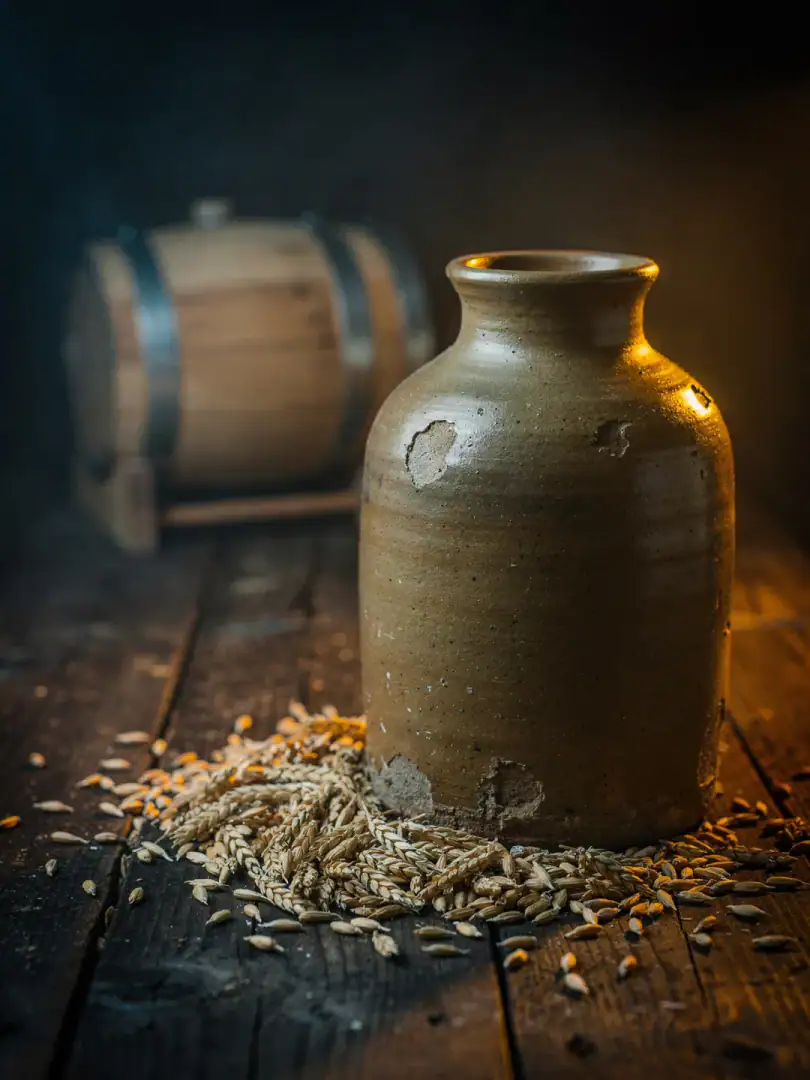
The crucial difference lies in the base spirit. Gin starts with alcohol that's as neutral as possible, to which botanicals are later added. Genever, on the other hand, often contains a significant proportion of what's called malt wine, "moutwijn", a distillate made from rye, wheat and barley that still tastes grainy and malty, rather like a young whisky. Juniper is added too, but its flavor often takes a back seat to the grain.
Historically, genever developed before English gin, and many experts therefore consider it the true root of the entire juniper spirits family. British soldiers are said to have discovered genever in the 17th century during military campaigns in the Netherlands and brought it back to England, where its own distinct gin culture eventually emerged over time.
The difference between Jonge and Oude Genever
Genever is divided into legally defined categories. Jonge Genever, meaning "young" genever, must contain less than 15 percent malt wine and can barely be sweetened, giving it a correspondingly more neutral taste closer to gin. Oude Genever, meaning "old" genever, doesn't necessarily refer to age in years but to a more traditional style with significantly more malt wine, often over 15 percent, and a bit more sweetness. It tastes rounder, heavier, and is more reminiscent of grain spirit.
This classification only emerged in the 20th century to clearly separate the styles, after the taste of many genevers had shifted over the decades toward the more neutral jonge style. Anyone looking for traditional, malty genever should therefore specifically reach for the oude variety.
For beginners, the designation on the label is a good first clue. If the bottle says "jonge", expect a lighter taste closer to gin. If it says "oude", be prepared for a noticeably maltier, fuller-bodied drink that resembles a mild grain spirit or young whisky more than classic gin.
Korenwijn and its difference from gin
Korenwijn, literally "grain wine", is the most robust genever category, with a malt wine content of at least 51 percent. It's often aged in wooden casks, which adds vanilla and spice notes, similar to a mild whisky. For gin drinkers, korenwijn is often the most surprising discovery, since it barely resembles what one thinks of as gin.
The fundamental difference between genever and gin remains the base: genever is built on malty grain spirit, while gin is built on neutral alcohol with juniper and other botanicals added on top. Anyone switching from gin to genever shouldn't expect a similar drink, but rather something between gin and a light grain spirit.
In the Netherlands, genever is traditionally drunk neat and chilled from small, narrow glasses, often accompanied by a beer on the side, rather than being stretched with tonic water like gin. This distinct drinking culture once again shows just how differently genever and gin are treated in everyday life, despite their shared roots. Anyone who only knows both drinks from the gin world should taste genever more like a mild grain spirit rather than serving it like a familiar gin and tonic. Neat and lightly chilled, it shows its best side.