The short answer
Gin is a spirit that must taste of juniper. All other botanical ingredients are freely chosen, such as citrus peel, seeds, roots or spices. That's why two gins often taste very different.
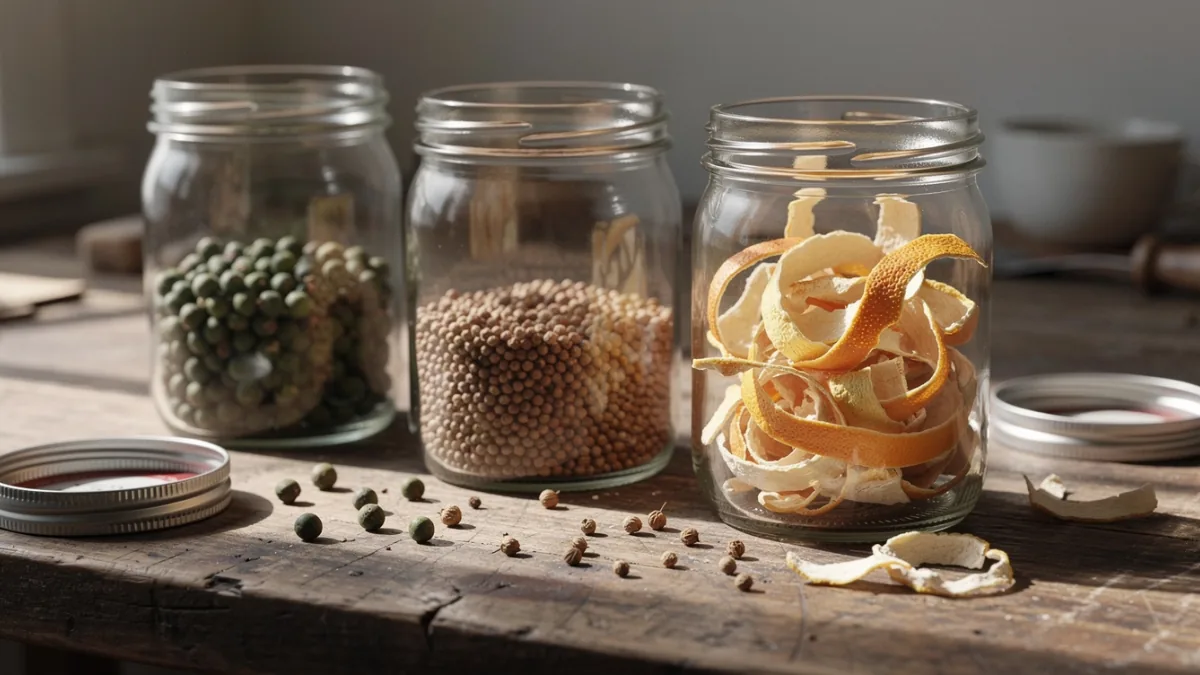
Juniper must be in every gin
Juniper is the only ingredient that must be in every gin. It's the core of the entire category. Everything else is chosen by the distillery: coriander seed, citrus peel, angelica root, cardamom, lavender. The list is long and looks different for every producer.
These plant-based flavor sources are called botanicals. How they're processed makes the second big difference. Two bottles with the same word on the label can therefore smell completely different.
A number like '12 botanicals' on the bottle is marketing, not a benchmark. A gin with five well-balanced ingredients can taste clearer than one with twenty. Too many flavors mask each other.
Choose based on the planned drink
If you're planning a gin and tonic, think about the tonic too. It brings its own flavor and can overpower a subtle gin. For a cocktail with bold other ingredients, you need a correspondingly assertive gin style.
A first comparison is quick to do: two small samples, the same mixer, the same glass. Note whether you mainly notice citrus, spice or juniper. An eye-catching bottle design tells you nothing about the taste.
If a colored variant seems very sweet, read the exact product designation. Not everything with a big 'gin' on the label is the same type of drink.
How gin is made
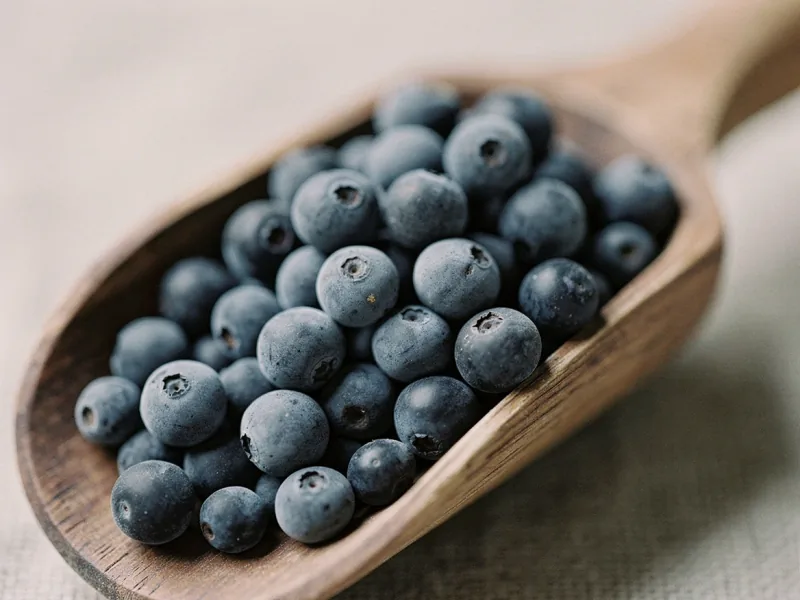
It starts with neutral spirit, meaning largely flavorless alcohol from plant sources. This is flavored with juniper and other botanicals. In the EU, gin must reach at least 37.5% ABV in the process.
There are two common approaches to processing. Either the botanicals sit directly in the liquid that gets distilled. Or their aroma is captured in the rising vapor, similar to steaming in cooking.
The first method usually gives bolder results, the second finer ones. Both are craft choices, not quality tiers. The list of botanicals alone explains neither intensity nor quality.
Your path through the world of gin
For your first bottle, clear style descriptions help: juniper-forward, citrusy, spicy or floral. Then comes the question of use. A bold Negroni calls for something different than a delicate Martini or a fresh gin and tonic.
Deliberately keep your first bottle simple. A juniper-forward gin is your reference point for everything that follows. Once you know the baseline, you'll immediately recognize what a distillery has added in the next gin. The other way around is much harder.
Gin is not a type of vodka
Gin isn't aged. A golden color in the glass therefore almost never comes from the barrel, but usually from ingredients or additives. Exceptions with barrel aging do exist, and they state this explicitly. So the color of a gin bottle tells you nothing about its age.
A pink gin also isn't necessarily a gin. Many colored, sweetened variants legally fall into a different category. The bold word on the front label doesn't determine that. A glance at the small product designation clears it up in two seconds.