The short answer
Genever and gin are related, but not interchangeable. With Genever, the malty base distillate often shapes the flavor. A gin, by contrast, puts juniper and other botanical ingredients at the center.
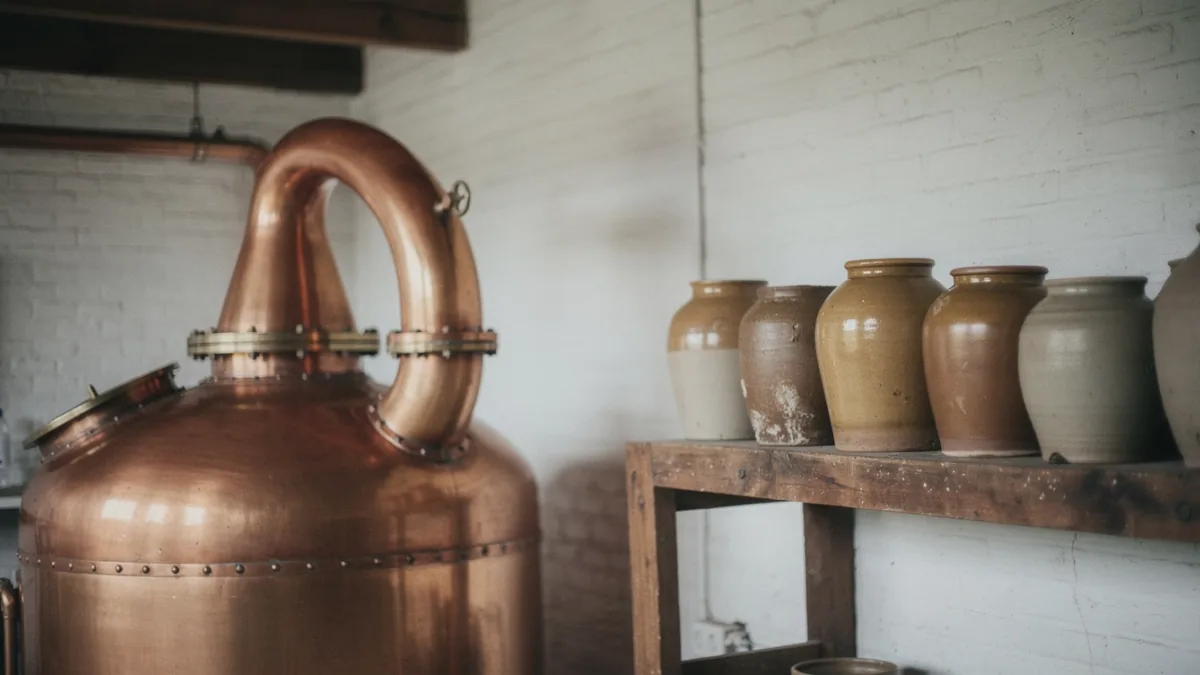
Malt wine doesn't mean wine made from grapes here
In Genever, malt wine refers to a distillate made from grain. This distillate contributes its own aromas. The producer blends it with additional alcohol and with botanicals—the plant-based ingredients that provide flavor. This results in very different recipes. That malty, grainy character explains why Genever sometimes sits closer to a young grain spirit than to a neutrally built gin.
The name is misleading. Wine here is used in its old sense of a fermented beverage. What's meant is a distillate made from fermented grain, closer to whisky than to anything made from grapes. That's where the malty base note comes from. It surprises many people on the first sip. The comparison to whisky carries further here than the comparison to gin. Both start with grain that someone has fermented and distilled.
Historically, Genever is the older of the two. Gin developed from it once the drink arrived in England and its base became more neutral there. So when you try Genever, you're not tasting a variation on gin, but its ancestor. This sequence helps with understanding it. The robust grain note isn't something added later. It was there from the start, and with gin, it was dialed back.
What jonge and oude actually mean
Translated, these two words mean young and old. But they describe recipe traditions and the requirements attached to them. An oude Genever hasn't necessarily spent years in a barrel just because of this word. Look for a separate cask or age statement if actual aging matters to you. Color doesn't serve as proof either. A dark tone can come from the barrel, but it can also have another cause. This distinction matters when buying. A word on the label describes a style of production. An age statement next to it describes time spent in the barrel. Only the latter can be verified.
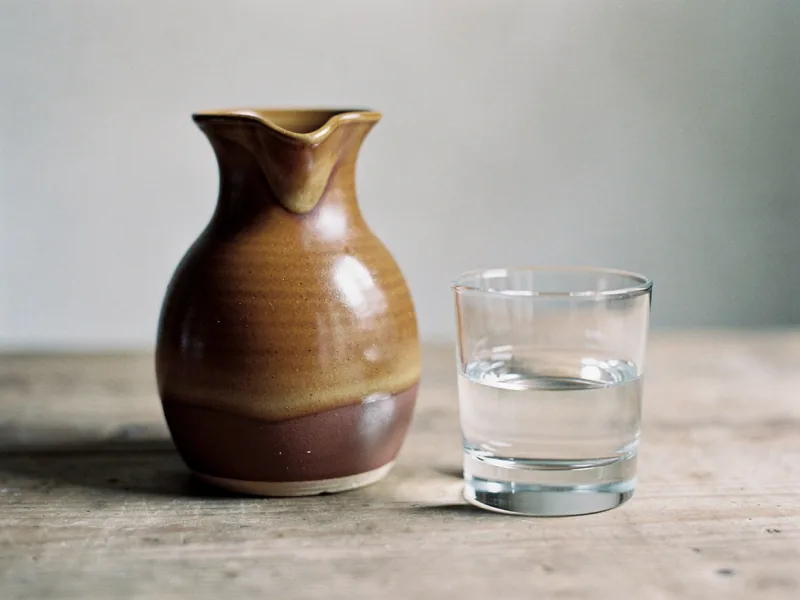
How to taste the difference
Set small amounts side by side, ideally in identical glasses. Pay attention first to three things: grain, juniper, and sweetness. An unusually malty sample is not a flaw—it's exactly what this category is known for. For mixing, it's best to reach for a recipe that specifically calls for Genever. A simple swap in a Dry Martini shifts its character considerably.
Start with a jonge Genever if you're already familiar with gin. It's closer to the familiar style. An oude Genever is the bigger leap: grainy, rounder, and sometimes slightly sweet. Try both neat and at room temperature. Cold dulls the aroma, and a mixer covers up exactly what you're trying to explore here.
What helps when buying
Three questions will get you further in the shop. How large is the proportion of the base distillate, and how strong does it taste? Was the Genever aged in a barrel? And what is the bottle intended for? If you have a dry Gin and Tonic in mind, don't buy Genever just because it's related to juniper. Disappointment is all but guaranteed then, and it won't be the product's fault. If you enjoy grain flavors, though, this very difference makes for a good entry point. For your first purchase, it's worth getting the smallest bottle available. Genever divides opinion more sharply than gin does. A half-liter left in the cabinet is far less frustrating than a full one.