Wood, Air, Time
Why Does Rum Age in Cask?
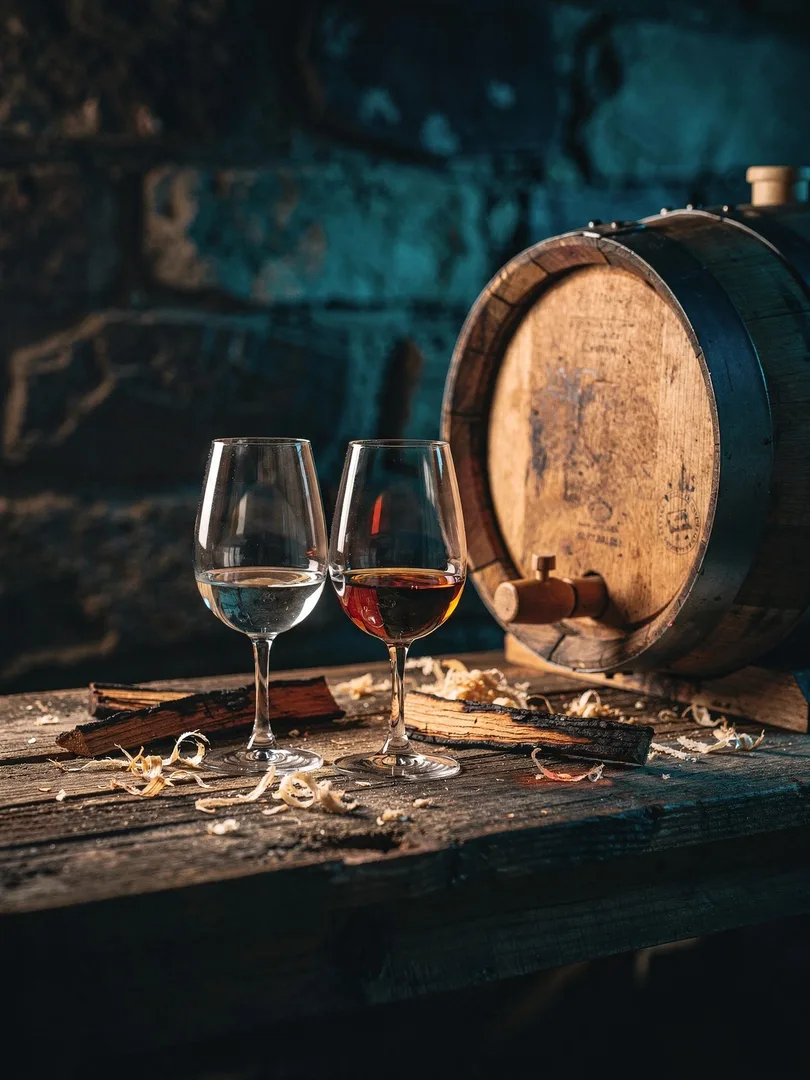
Rum matures in cask because the oak wood lends the young distillate colour, vanilla, spice notes and tannins, binds harsh compounds, and slowly lets oxygen in through its pores. Over the years, a clear, often sharp spirit becomes a rounder, more layered rum.
What Happens to Rum in the Cask?
Fresh from the still, every rum is colourless. It smells of fruit, grass or molasses, but often comes across as rough and loud. In the cask, several processes then unfold simultaneously, slowly and without anyone intervening. The rum draws compounds from the wood, the wood holds other compounds back, and with oxygen, new compounds form.
The most striking is extraction, meaning the leaching of the wood. Alcohol and water penetrate a few millimetres into the cask wall and dissolve aroma compounds, tannins and colour there. The warmer it is, the deeper and faster this happens. That's why ageing in the tropics is its own chapter of this journey.
Less well known is subtraction, meaning the taking away. The charred interior of many casks acts like a filter and binds, for example, sulphurous notes. At the same time, air moves through the wood and the joints. The oxygen converts some of the alcohols into acids and aldehydes, which in turn form new fruity esters.
What Aromas Does Oak Give to Rum?
Oak is the wood of choice because it's dense, pliable and rich in aroma compounds. During construction, the cask interior is toasted, meaning heated over fire, or heavily charred. The heat breaks down components of the wood. From lignin, the structural substance of the cell wall, among other things vanillin is formed, the main flavour compound of vanilla.
The sugar chains in the wood produce caramel and bready notes when toasted. American white oak also contributes plenty of oak lactones, which smell of coconut and fresh wood. French oak releases more tannins. These give a slightly drying sensation on the palate, similar to black tea.
The colour also comes from the wood. A rum turns from straw yellow through gold to amber in the cask. How dark it becomes, though, depends heavily on the cask. A fresh cask colours more intensely in two years than a cask used four times does in ten.
Does Rum Have to Age in Cask?
The EU does not require a minimum maturation period for rum. Even a spirit that has never seen a cask may be called rum, as long as it meets the other rules. This is where it differs from Scotch whisky, which must mature for at least three years in oak casks in Scotland. Many white rums are in fact unaged.
Some rules of origin are stricter. Puerto Rico requires its rum to spend at least one year in white oak, and the Ron Dominicano designation of origin likewise requires one year in oak cask. Venezuela requires two years for its protected designation. A Rhum agricole blanc from Martinique, by contrast, rests for at least six weeks in tank after distillation, entirely without wood.
Unaged doesn't mean inferior. A Rhum blanc or a white pot-still rum shows the raw material and the fermentation unvarnished. The cask lays a layer over that. So the question isn't whether ageing is better, but which style is intended.
Why More Cask Time Isn't Always Better
A cask gives up the most on its first fill. With each subsequent fill it becomes calmer, until it barely lets anything through but air. Distilleries therefore blend rums from fresh and old casks to bring wood and distillate into balance. Some re-char tired casks so they give more again.
Size matters too. In a smaller cask, more rum touches the wood, so maturation runs faster. If a rum stays too long in active wood, it turns bitter, dry and tastes of pencil shavings. Experts call this over-oaked. In hot climates especially, this point can be reached early.
Anyone tasting an aged rum should therefore pay attention to balance alongside the years. A good cask-aged rum still lets the raw material show through—molasses, cane juice, or the fruit of a long fermentation. The wood frames it; it doesn't replace it.