Cask Types and Sizes
Bourbon Cask, Cognac Cask, Sherry Cask: Which Casks Does Rum Use?
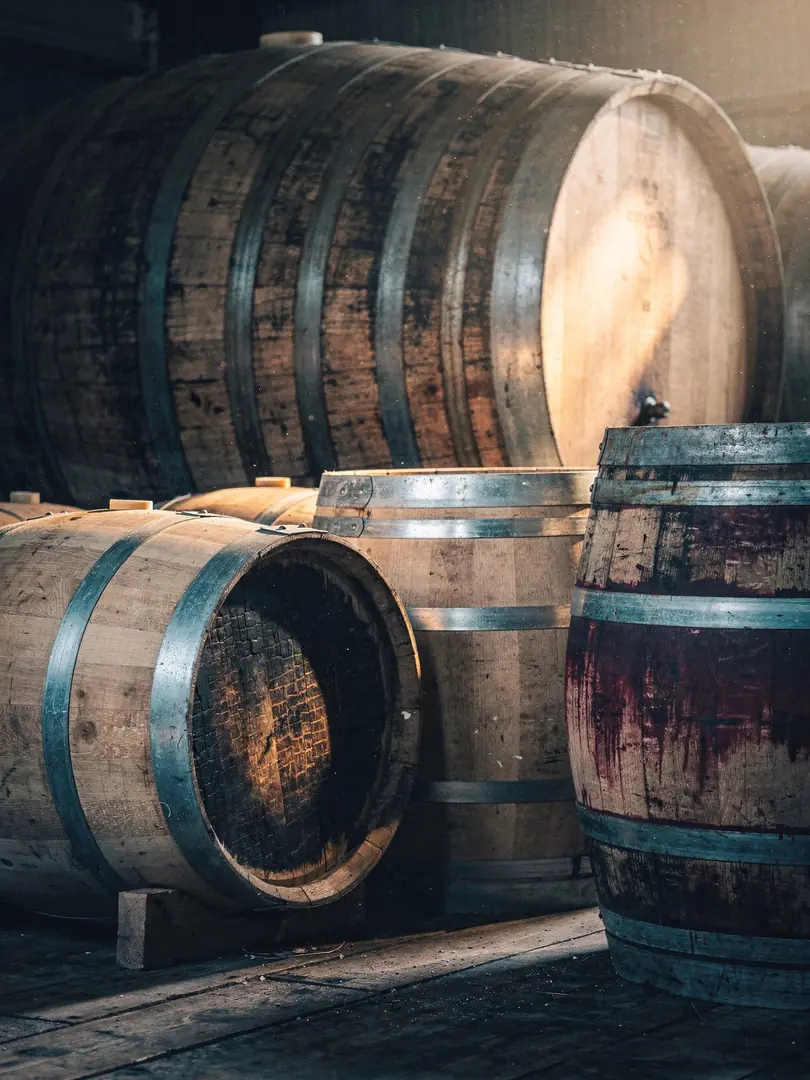
Most rums mature in used bourbon casks made of American white oak holding around 200 litres. Distilleries also use French oak casks, former cognac, sherry or wine casks, and large wooden vats. Wood type, prior contents and size shape the vanilla, spice and tannin character.
Bourbon Cask: Why Almost Every Rum Rests in One
The reason lies in Kentucky. Under US law, bourbon must mature in new, charred oak containers. A cask is therefore only used once there. After that it's sold, and so hundreds of thousands of used casks reach the world market every year. Rum distilleries, whisky distilleries and tequila houses are happy to take advantage.
The standard cask holds around 200 litres and is made of American white oak, botanically Quercus alba. This wood yields plenty of vanilla, coconut and sweet spice. Because the bourbon has already leached the cask for a few years, it acts more gently on rum than a fresh one would. A rum from a bourbon cask therefore doesn't taste like bourbon, but like rum with vanilla and toffee.
Many distilleries use bourbon casks several times in succession. Some re-char them in between or re-shave the staves. Some also work with new casks, which release significantly more wood character and are therefore usually used only briefly or for part of a blend.
French Oak, Cognac Cask and Large Foudres
French oak, usually pedunculate or sessile oak, is finer-grained and richer in tannins. It gives less vanilla but more spice, clove and a dry structure. In the French Antilles, many rums mature alongside bourbon casks in French oak or in former cognac casks.
A well-known example of cognac cask use is Planteray, formerly Plantation. According to the house Maison Ferrand, their rums first mature in the Caribbean in bourbon casks and are then finished at Château de Bonbonnet in the Cognac region, in casks that previously held cognac from Pierre Ferrand.
Large wooden vats, called foudres in French, work quite differently. In them, only a small amount of rum touches the wood, so maturation is gentle and slow. The élevé sous bois category of the AOC Martinique, meaning aged under wood, requires at least twelve months in oak but sets no cask size. Such large vessels are common there.
How Large Can Rum Casks Be?
Some rules of origin limit cask size because it governs maturation. The Jamaica Rum geographical indication requires oak casks of no more than 250 litres. For a Rhum vieux from Martinique, oak casks must be under 650 litres. The Cuban specification calls for used white oak casks of 180 to 250 litres, maximum 500 litres, for the second ageing stage.
Behind this lies simple geometry. The smaller the cask, the more wood surface area per litre. A 200-litre cask therefore gives up aroma and colour faster than a 600-litre one. A Rhum vieux in small casks has considerably more wood influence after three years than a rum that spent the same time in a large foudre.
Finishing in Sherry, Port or Wine Casks: What It Means
A finish is a secondary maturation. The rum spends most of its time in a primary cask and then goes for a few weeks or months into a cask that previously held something else. Sherry casks bring dried fruit, nuts and a winey note. Port casks often add red fruit and a reddish colour, wine casks add acidity or tannin depending on the wine.
Legally the rum remains rum throughout, since the aroma comes from wood contact, not from an additive. The AOC Martinique explicitly permits finishes but limits what's called obscuration. This is the difference between measured and actual alcohol content, caused by dissolved substances from wood, sugar or caramel. It must stay under two percent.
For enjoyment, the rule is: a finish should season, not overpower. If the cask looms larger on the label than the origin, a critical sip is worthwhile. If you can still taste the rum, the finish has succeeded.