Flavoring and the law
Spiced rum, rum liqueur, rhum arrangé: when rum legally becomes something else
As soon as spices, fruit, or flavorings are added, a product is no longer legally classified as rum in the EU, since rum may not be flavored. Spiced rum, coconut-flavored bottlings, and rhum arrangé are therefore labeled "spirit drink," or "liqueur" if they contain enough sugar and at least 15% vol.
What "rum may not be flavored" actually means
The EU Spirit Drinks Regulation states it plainly: rum may not be flavored. Flavoring covers any process that adds flavorings or flavor-imparting foods, whether through direct addition, infusion, steeping, co-fermentation, or co-distillation. This includes vanilla pods and vanilla flavoring just as much as cinnamon, orange peel, coconut, or raisins. Even a natural spice legally turns rum into something else.
Vanilla notes in genuine rum therefore come from the cask. Oak releases vanillin during maturation, especially when charred on the inside, as with the bourbon barrels in which much rum ages. Whether a pronounced vanilla note comes from the wood or from an added ingredient can hardly be judged from the glass alone. The sales designation provides the answer. If it says "rum," no flavoring may have been added.
Spiced rum: legally a spirit drink based on rum
Spiced rum is made by adding spices, vanilla, or caramel flavoring to rum, usually along with sweetening. In the EU it therefore cannot carry "rum" as its sales designation and is instead labeled "spirit drink." The word rum may only appear in a compound term or allusion if the alcohol comes exclusively from rum. A well-known example is Captain Morgan Original Spiced Gold, classified in the EU as a spirit drink, not a rum.
Some of these bottlings fall below the minimum 37.5% vol required for rum, and often well above 20 grams of sugar per liter. Both would be illegal for rum, but are permitted for a spirit drink. For consumers, this isn't a judgment of quality, just a classification. Spiced rum is its own drink with its own logic. How it tastes and what it's good for is covered in the glossary entry on spiced rum.
Rum liqueur and rhum arrangé: fruit, sugar, maceration
Liqueur is its own category in the EU, requiring at least 15% vol and a mandatory minimum sugar content. Rum liqueur uses rum as its alcohol base and is heavily sweetened, often combined with coffee, coconut, or fruit. Its sales designation is then "liqueur." Ronmiel de Canarias, a drink made from rum and honey from the Canary Islands, even has its own protected designation, classified among other spirit drinks.
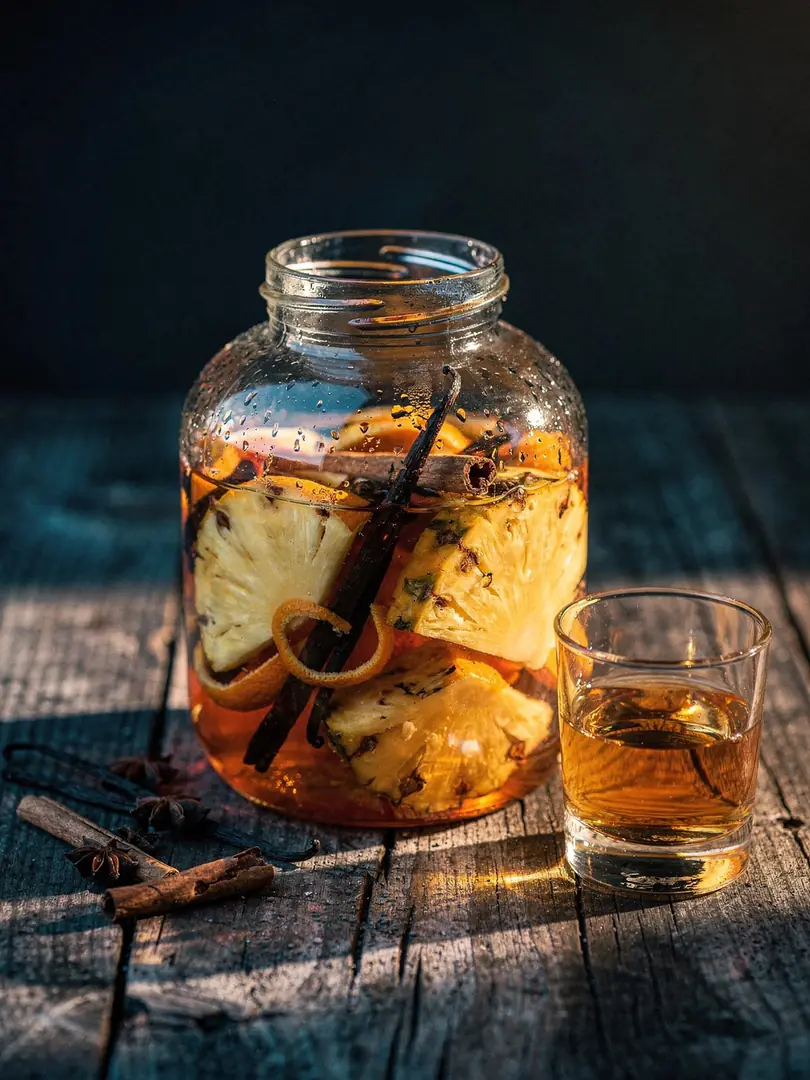
Rhum arrangé comes from the tradition of the French Antilles and Réunion. Fruit, spices, and sugar steep for weeks or months in white rum, often in large, round-bellied jars. Legally, this is maceration, a form of steeping, and therefore counts as flavoring. When commercially bottled, rhum arrangé is accordingly labeled "spirit drink," or "liqueur" if it contains enough sugar. The term "arrangé" itself isn't a separate category under the Spirit Drinks Regulation.
Inländerrum, rum-Verschnitt, Tuzemák: other drinks that aren't rum
Central Europe also has drinks that sound like rum but legally aren't. Austrian Inländerrum has consisted entirely of rum spirit since 1999, but is flavored with Inländerrum essence. It's therefore a protected geographical indication in the category of other spirit drinks, with a minimum of 38% vol. Slovenian Domači rum is built similarly, flavored and colored with rum essences.
With German Rum-Verschnitt, the reason is different. It isn't flavored, but rather diluted with neutral spirit, and at least five percent of its alcohol must come from rum. Since rum cannot legally be blended with additional alcohol, it's classified as "spirit drink." Czech Tuzemák is made from potato or beet spirit with rum essence and, since 2003, may no longer be called rum. In all these drinks, the word rum describes a flavor or tradition, not the legal category.