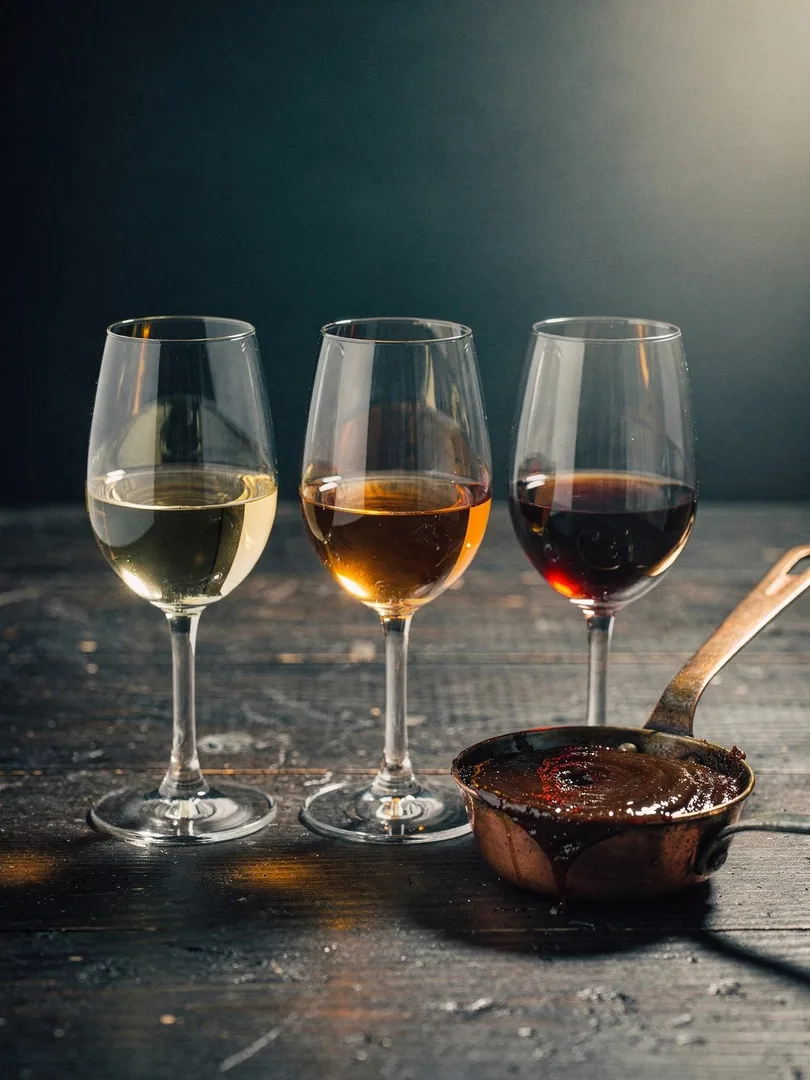
Color without sweetness
Caramel coloring E150a: does it color rum or sweeten it?
Caramel coloring E150a colors rum but doesn't noticeably sweeten it. The EU permits it in rum solely for color adjustment. In Germany, bottles containing caramel coloring must carry the notice "with coloring." The color of a rum therefore says little about its age.
What is caramel coloring E150a?
Caramel coloring is produced when sugar is heated so intensely that it browns far beyond simple caramelization. What remains is an almost black, viscous substance with strong coloring power. The designation E150a refers to the simplest type, made without ammonium or sulfite compounds. The EU Spirit Drinks Regulation names only caramel coloring as a permitted colorant for rum, and allows it solely to adjust color.
Caramel coloring should not be confused with caramelized sugar, which the same regulation lists as a sweetening product. Caramelized sugar still tastes sweet and counts toward the 20 grams per liter limit. Caramel coloring, by contrast, is browned to the point where almost no sweetness remains, and is legally classified as a colorant. For rum, this means coloring and sweetening are two separate processes governed by two separate rules. A producer can do one without the other.
Does caramel coloring sweeten rum?
Caramel coloring is used sparingly, since even small amounts color a lot of rum. At this dosage it's barely perceptible on the palate and contributes virtually no sugar. If a dark rum tastes sweet, that sweetness usually comes from added sugar, cask notes, or both, not from the coloring. In high concentration, caramel coloring tastes more bitter and slightly burnt than sweet. Dark color and sweet taste often occur together, but they have different causes.
A side effect still shows up in measurement, though. Caramel coloring is a dissolved substance and, like sugar, increases density. In a hydrometer test, a deeply colored rum can therefore suggest a bit of sugar even when there's little or none. This is why AOC Martinique's rules combine coloring, sugar, and wood extract together under obscuration, capping the sum below two percent vol.
Why is rum colored?
Rum from different casks and vintages naturally varies in darkness. But a major producer bottles rum year after year that's meant to look consistent on the shelf. Caramel coloring evens out these variations, which is why the regulation speaks of color adjustment. With white rum, the process often works the other way. It may age in cask for a while and is then filtered through activated carbon, which removes both color and some of the wood notes.
With dark rum, caramel coloring can create a deep mahogany hue that a young distillate alone could never achieve. This leads to the key takeaway here: a rum's color says nothing reliable about its age. A dark rum can be young and colored, while a pale rum can be aged and filtered. Only an age statement is reliable, and in the EU that refers to the youngest component in the blend.
Caramel coloring on the label: the "with coloring" notice
Spirits sold in the EU aren't required to carry an ingredients list. In Germany, however, colorants are an exception to this rule. Under § 5 of the Food Additives Implementation Regulation (LMZDV), the labeling requirement "with coloring" applies accordingly to prepackaged beverages above 1.2% vol. A rum containing caramel coloring sold in Germany must therefore carry this notice, even though no other ingredient is listed.
The notice reveals that coloring was added, but not how much. If it's missing from a bottle labeled for the German market, that suggests an uncolored rum. The notice says nothing about sugar, though. A colored rum can still be unsweetened, as required under the Jamaica geographical indication, which permits coloring but not sugar. Conversely, an uncolored rum can be sweetened. Color and sweetness require two separate checks on the label.