One Year, Three Years
Añejo and Extra Añejo
Añejo means "aged." From here on, the law counts in whole years, not months anymore — and even specifies the maximum barrel size allowed.
One Year for Añejo, Three Years for Extra Añejo
Añejo requires at least one year of aging in oak barrels. Extra Añejo, a separate class since an amendment to the standard, requires at least three years. Both figures appear on the label and are pure minimums — many distilleries age their spirits much longer without having to declare this separately.
There's a big jump between Reposado and Añejo: from a few months to a full year. This jump is exactly why Añejo is usually noticeably more expensive in stores than a Reposado from the same distillery.
This long waiting period also explains why Extra Añejo offers the smallest selection of brands in many portfolios. Not every distillery can afford to tie up barrels for over three years without generating revenue from those very bottles during that time.
The 600-Liter Barrel Limit
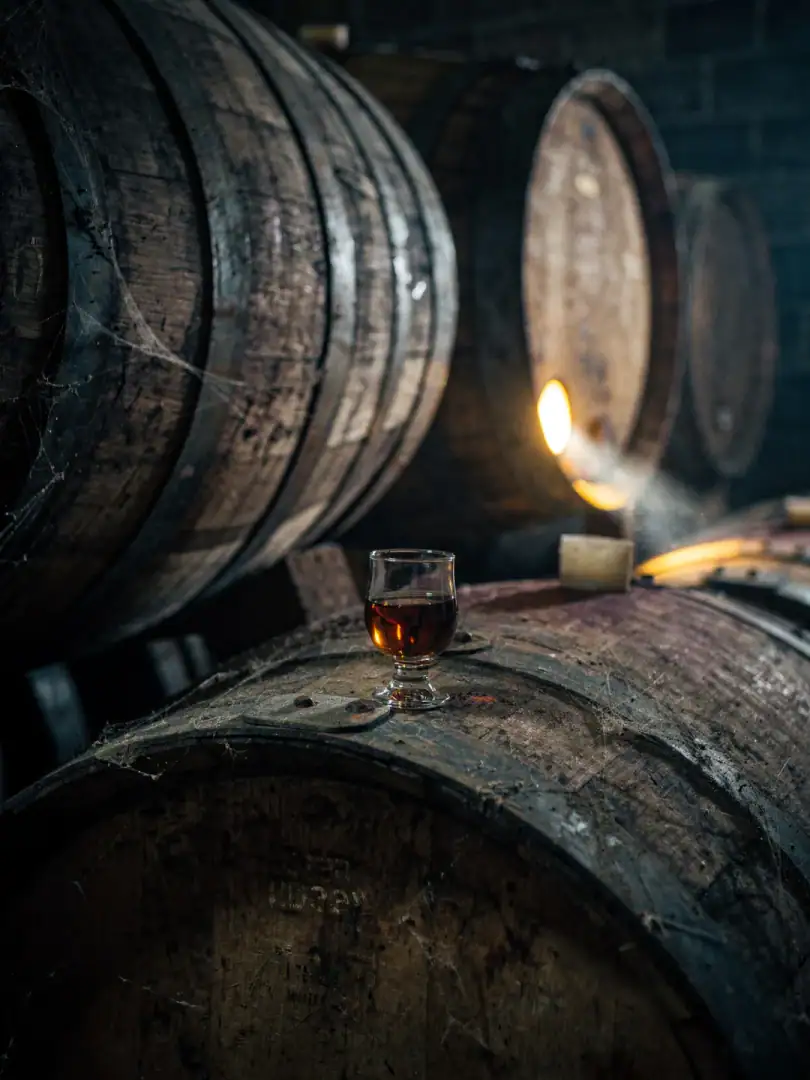
For Añejo and Extra Añejo, the standard additionally stipulates that barrels may hold no more than 600 liters. Smaller barrels have more surface contact with the wood relative to the volume of liquid, producing genuine, noticeable aging.
Without this limit, producers could "age" Tequila in huge tanks where the wood has barely any effect. The 600-liter rule prevents the year stated on the label from becoming a mere formality.
For comparison: many wine barrels hold between 200 and 300 liters, and classic Bourbon barrels usually around 200 liters. The 600-liter limit in the Tequila standard is well above that, yet still allows for noticeable wood contact, as long as the barrels aren't larger.
What Happens in the Barrel Over the Years
Over time, the liquid absorbs more color, tannins, and toasted notes from the wood, while the fresh agave character fades into the background. An Extra Añejo therefore often tastes more like whisky or cognac than like the plant it originally came from.
This shift isn't a flaw — it's the whole point of the class: anyone buying Añejo or Extra Añejo is deliberately seeking the barrel character, not the crisp agave bite of a Blanco.
The volume also changes slightly, since a small portion evaporates through the barrel wall each year — jokingly called the "angel's share" in the whisky world. This effect plays a smaller role with Tequila, but it's one reason why long-aged bottles are more costly to produce.
Mezcal Has Añejo, But No Extra Añejo
The six official Mezcal classes also include an Añejo with at least one year in oak. However, this classification system has no separate Extra Añejo tier with a higher minimum year requirement.
A particularly long-aged Mezcal must therefore settle for the label Añejo, while a Tequila with the same aging time could already be marketed as Extra Añejo. This is a subtle but real difference between the two standards.
For collectors, this means: anyone specifically seeking out particularly long-aged agave spirits will find a larger selection of officially designated top vintages in Tequila, simply because its standard provides for an additional, clearly named tier.
Tasting Añejo and Extra Añejo Side by Side
A direct comparison shows the difference most clearly: an Añejo usually still carries a recognizable agave bite, wrapped in vanilla and a light smokiness from the wood. An Extra Añejo has almost entirely lost that bite and often tastes more like a mild brandy.
This evolution makes Extra Añejo a class better suited to sipping neat rather than mixing into cocktails. The long barrel contact only pays off if the subtle nuances aren't drowned out by other ingredients.