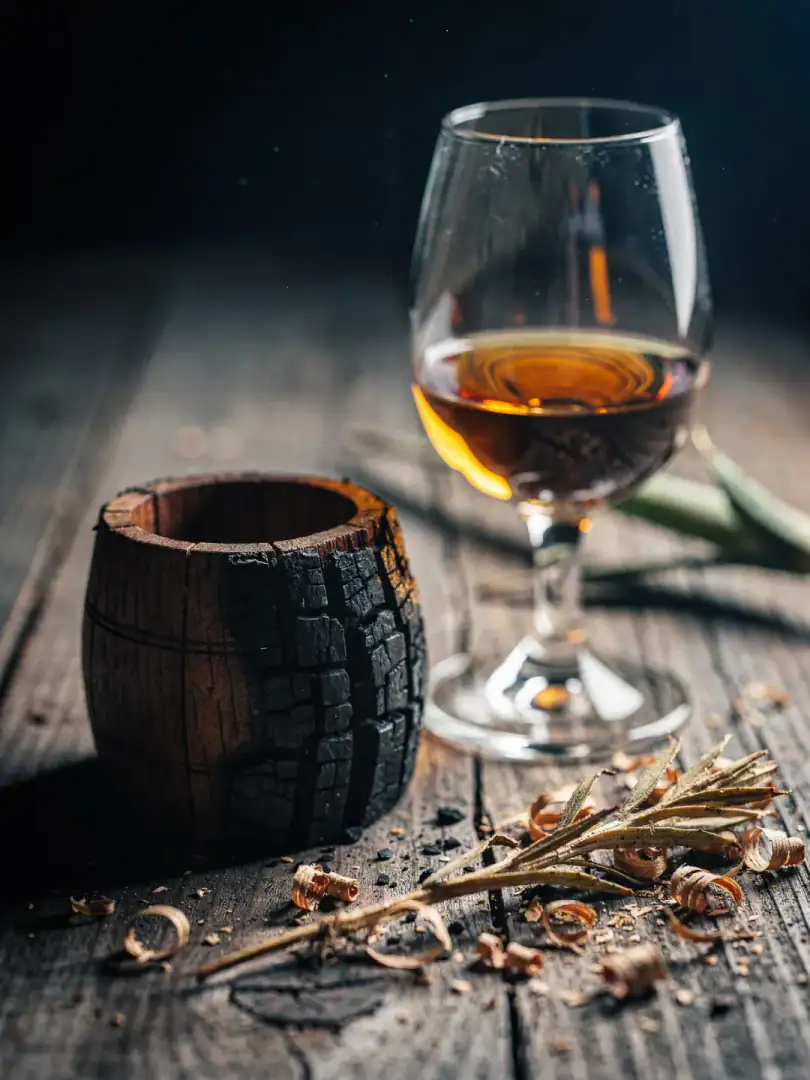
Two Months in the Barrel
Reposado
Reposado means "rested." The name describes exactly that: tequila that spent some time in direct contact with oak, but nowhere near as long as an Añejo.
The Two-Month Threshold
NOM-006 requires a minimum of two months of uninterrupted contact with oak for Reposado. This minimum is the only legal difference from Blanco, which may also spend up to two months in wood, but isn't required to.
There's no upper limit on aging time, as long as the next class — one year for Añejo — hasn't been reached yet. A Reposado can therefore be three months or eleven months old and still carry the same class name on the label.
This threshold is deliberately kept short: it's meant to allow a noticeable but quick aging step without forcing distilleries to tie up capital in barrels for months on end. For smaller operations, Reposado is therefore often the first aged class they offer at all.
Unlike Añejo and Extra Añejo, the standard sets no maximum size for the barrel used for Reposado. A facility may therefore also use large oak tanks, as long as the tequila stays in uninterrupted contact with the wood for the full two months. This freedom explains why some Reposados taste milder than others. A large tank has less contact surface relative to the volume of liquid than a small barrel, so the wood's influence varies in strength even over the same amount of time.
Where the Barrels Come From
Many distilleries use used bourbon barrels made of American oak, because US whiskey laws require new barrels for every batch, and the once-used barrels then come onto the market cheaply afterward. For tequila producers, this is a convenient cycle: wood that has already given up some of its flavor acts more gently than a completely new barrel.
Some brands instead opt for new American or French oak for a bolder, sweeter character. The label doesn't have to reveal which wood was used, though — only the Reposado class itself is mandatory.
Some Reposados nevertheless voluntarily state the barrel's origin, for example with the addition "Bourbon Barrel" on the back label, even though the standard doesn't require it. For curious buyers, this is an extra clue that can help when comparing bottles of similar age.
What the Wood Does to the Agave Flavor
Even just a few weeks in the barrel bring vanilla, a touch of caramel, and light spice notes into the tequila, without masking the plant-forward sweetness of the agave. Reposado is therefore often seen as a middle ground: softer than Blanco, but still close to the original raw material.
With every additional month in the barrel, this balance shifts further toward wood. Anyone wanting to taste the difference is best off comparing a young Reposado with one that's just short of the Añejo threshold.
Because this transition is fluid, two Reposados from different distilleries often differ more from each other than two Blancos do. Climate, barrel size, and the previous use of the wood further influence the result, regardless of the pure aging time.
Reposado in Mezcal: Shorter, Freer
Mezcal also has a Reposado class. NOM-070 sets a framework of two to twelve months in wood for it, an upper limit that Tequila doesn't have. So two Mezcal Reposados could have been aged for very different lengths of time.
This shows a difference between the two standards: for Tequila Reposado, only the lower limit counts, while for Mezcal, the category is capped at the top. Anything aged longer than twelve months is called Añejo in Mezcal.
On top of that, many Mezcal distillers deliberately avoid putting their spirit into wood at all, because the barrel would mask the flavors of the agave. A Reposado is therefore rather the exception in Mezcal, whereas in Tequila it's one of the best-selling classes.
Recognizing Reposado in the Glass
Visually, Reposado usually appears light yellow to straw-colored, noticeably paler than a deep amber Añejo, but visibly more tinted than a clear Blanco. This in-between color is a rough but useful first clue when looking into the glass.
Anyone unsure whether a bottle is really Reposado still won't find the definitive answer in the color, but in the printed class name on the label — color can be deceiving, the mandatory label statement cannot.