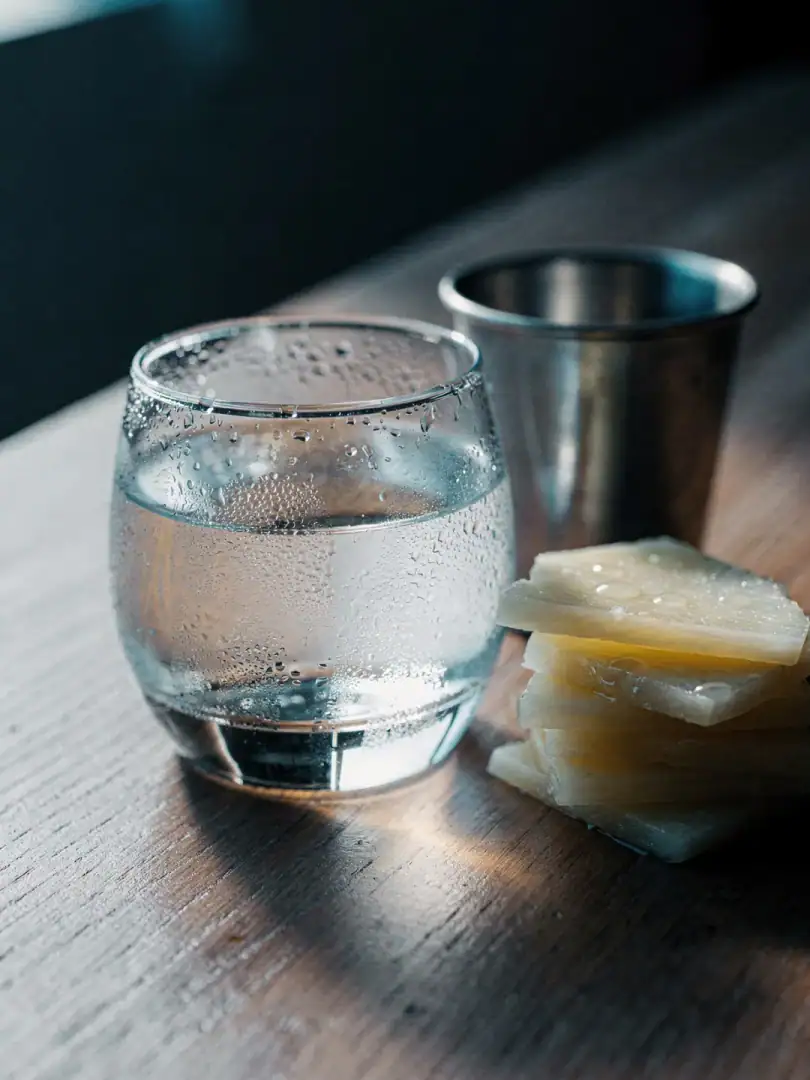
One Tequila, Three Names
Blanco, Plata, Silver
Blanco, Plata, and Silver sound like three different tequilas. They're the same thing: clear, unaged, straight from the still. Only the name changes depending on the market the bottle is sold in.
Three Names, One Label Field
In Mexico, NOM-006 requires "Blanco," sometimes also "Plata" as an equivalent term. In the US and in older export marketing, the same class is often called "Silver" or "White." On the official Mexican label, though, one of the two standard terms always appears in the end.
For the contents, the name makes no difference: a Blanco, a Plata, and a Silver from the same distillery can be exactly the same distillate, just printed with a different word for the respective sales market.
"White" also occasionally appears on older bottles or bar menus, as another synonym with no legal meaning of its own. For the bottle on the shelf, this means: looking at the NOM number and class provides more clarity than the name itself when comparing brands.
Straight From the Still
This class requires no aging. The tequila may be bottled immediately after the second distillation, often after a short rest in stainless steel tanks so the flavors can settle. This very freshness is what makes Blanco the clearest, most agave-forward version of the drink.
Because no barrel is involved, the liquid stays colorless. Any tint a Blanco bottle shows anyway comes either from brief wood contact or from added coloring — both are only permitted to a limited extent in this class.
Some distilleries let the fresh tequila rest briefly in stainless steel or coated concrete tanks to soften sharp alcohol notes, without picking up color or wood flavor. This step doesn't count as aging under the standard and doesn't change the class.
Up to Two Months of Wood Contact Is Allowed
Surprising to many: a tequila may have up to two months of contact with wood and still carry the class Blanco, not Reposado. Only after that does the next stage legally begin. Some brands deliberately use this gray area for a hint of barrel character without changing the designation.
For consumers, this rule is almost impossible to verify, since neither the label nor the bottle's color reveals whether, or for how long, a particular Blanco actually touched wood. Only the distillery itself knows the exact process behind the class that ends up on the bottle.
What's Allowed to Go Into a Blanco Bottle
Blanco is considered the most strictly controlled class: bottled immediately, without the blending freedoms of Joven or Reposado. Exactly how much Abocamiento — that is, caramel, sugar syrup, or flavoring added afterward — is allowed for Blanco isn't described consistently across sources.
What's certain is that the limits are tighter here than for aged classes. Anyone looking for the most natural tequila possible therefore often reaches specifically for Blanco, even though completely additive-free status isn't legally guaranteed.
This uncertainty is one reason Blanco is considered a relatively honest class among connoisseurs: it leaves the least room for later alterations, even if the exact percentages can't always be fully verified.
Why Blanco Is the Best-Selling Tequila
Worldwide, Blanco is the best-selling tequila class, well ahead of Reposado or Añejo. One reason is price: without barrel aging, there are no storage or capital costs, which usually makes Blanco the cheapest option in a distillery's lineup.
A second reason lies in the cocktail glass. The clear, bold agave note works especially well in mixed drinks like the Margarita, where citrus and salt are meant to complement the tequila's flavors rather than being overshadowed by additional wood notes. Anyone trying tequila for the first time usually encounters it as a Blanco first.