Golden Doesn't Mean Older
Joven and Gold
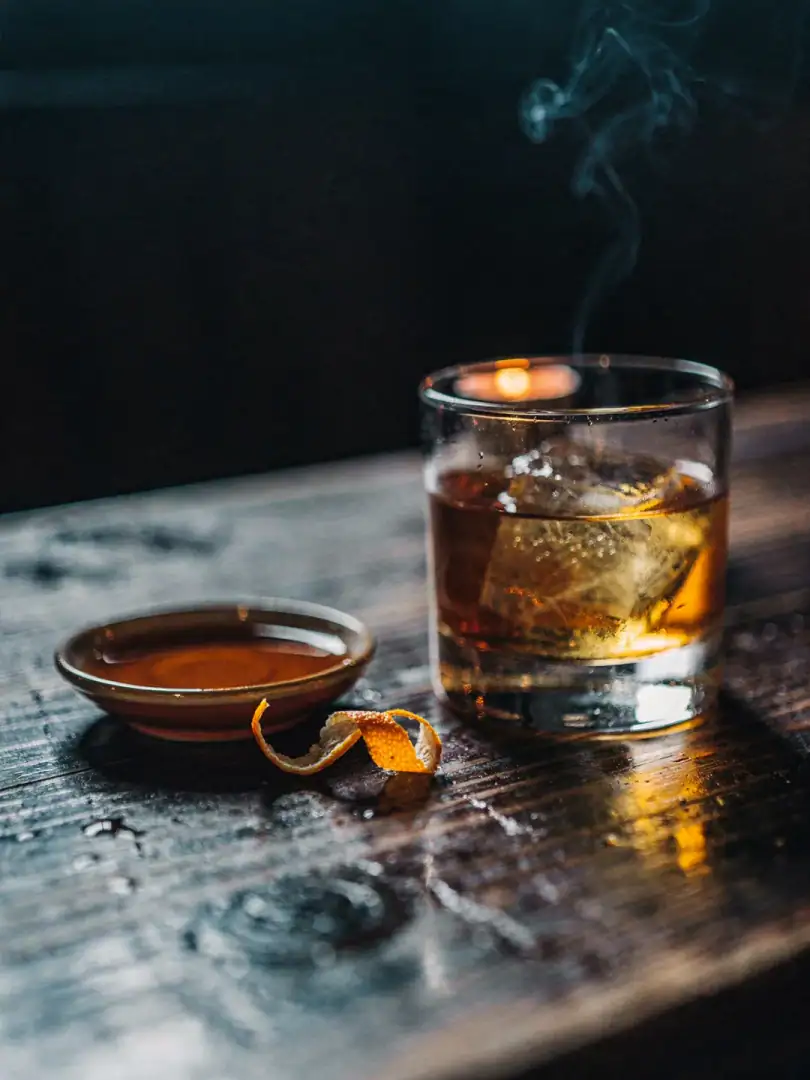
A golden tequila looks more aged, more refined than the clear Blanco next to it. Most of the time, that's an illusion: Joven or Oro is often just a blend or a caramel-colored Blanco, not genuine barrel aging.
Two Paths to Joven and Oro
NOM-006 allows two production methods for this class. The first is a blend of Blanco with some Reposado, Añejo, or Extra Añejo, meaning a portion of genuinely aged tequila does end up in the glass. The second method is simpler: Blanco is mixed directly with coloring and flavoring agents, with no barrel contact at all.
On the label, the two methods often can't be distinguished visually. Both may be called "Joven" or "Oro," even though one contains real aged tequila and the other hasn't spent a single day in wood.
A glance at the bottle alone hardly helps here, since both versions are marketed with the same word. Only the ingredient list or a direct inquiry to the distillery reveals whether aged tequila is actually part of the blend or whether color and flavoring alone did the work.
Caramel Makes It Golden, Not Older
Caramel coloring, oak extract, and sugar syrup are among the permitted Abocamiento additives, together up to a limit cited in several sources as roughly one percent by weight. They change color and flavor without a single hour of aging behind them.
That's why the golden color alone says nothing about age. A deep, dark Joven can be younger than a lighter Reposado — the color only shows what was added, not how long something sat in the barrel.
These additives are also why some Joven tequilas carry a slightly sticky sweetness that a genuine Reposado lacks: sugar syrup alters color and mouthfeel alike, regardless of the actual aging level.
Why Brands Choose This Path
Barrel storage costs time, capital, and space. A few drops of caramel cost almost nothing. For tequila that mostly ends up in Margaritas and other mixed drinks, many producers find the visual and flavor impression of age entirely sufficient.
Historically, Joven arose from exactly this need: a milder, rounder tequila for the mass market, without the cost of genuine Añejo production. The name "Oro" still sells better today than "flavored Blanco."
For consumers, the difference often remains invisible as long as the price feels right. Only a direct side-by-side tasting of two bottles shows how much genuine barrel aging actually lies behind a particular Joven — flavor can't be read off the label alone.
Mezcal's Answer: Joven Stays Joven
Mezcal has no equivalent to this golden in-between stage. Mezcal Joven is simply the unaged stage, always 100 percent agave, with no Mixto option and no quiet caramel addition.
If a mezcal producer wants to add anything anyway, it must appear on the label as its own class, "Abocado con," naming the ingredient. What's allowed to stay invisible with tequila becomes a mandatory disclosure with mezcal.
This transparency requirement is considered one of the reasons mezcal has gained international standing in recent years: knowing what's actually in the bottle builds more trust than a class that looks golden without saying exactly why.
How to Tell the Two Paths Apart
There is one clue, though: if a Joven tequila actually contains portions of Reposado or Añejo, it usually tastes rounder and more complex than a pure caramel-colored Blanco, even if the color turns out similarly golden.
Some producers voluntarily list the classes included on the back label, even though the standard doesn't require it. Anyone who wants to know exactly what's in the glass should, when in doubt, ask the distillery directly.