Comparing, Not Ritual
Tasting
A Californian Agave Spirit often surprises anyone expecting Tequila on the first sip. Green, herbaceous, and lightly vegetal notes are commonly described. The roasted sweetness that hotter Mexican soils produce is usually absent. In its place come mineral tones from the local soil, whether Yolo loam or Riverside sand.
Ventura Spirits places two Blanco bottlings side by side: "Tecolote" from Glen Annie Canyon and "Yolo" from Craig Reynolds's fields. Together they show just how differently the same state can taste. Venus Spirits of Santa Cruz bottles its "El Ladrón" in three variants: Blanco, Reposada, and a pure Yolo-harvest expression.
Shelter Distilling in Mammoth Lakes distills agave from Yolo County and from the Agave Concerto Estates in Murrieta into two distinct bottlings. St. George Spirits in Alameda distilled small test batches back in 2015 and 2019. They were bottled as "Agua Azul" before the movement even had a name. The two distilleries sit far apart, one in the Sierra Nevada mountains, the other on the San Francisco Bay.
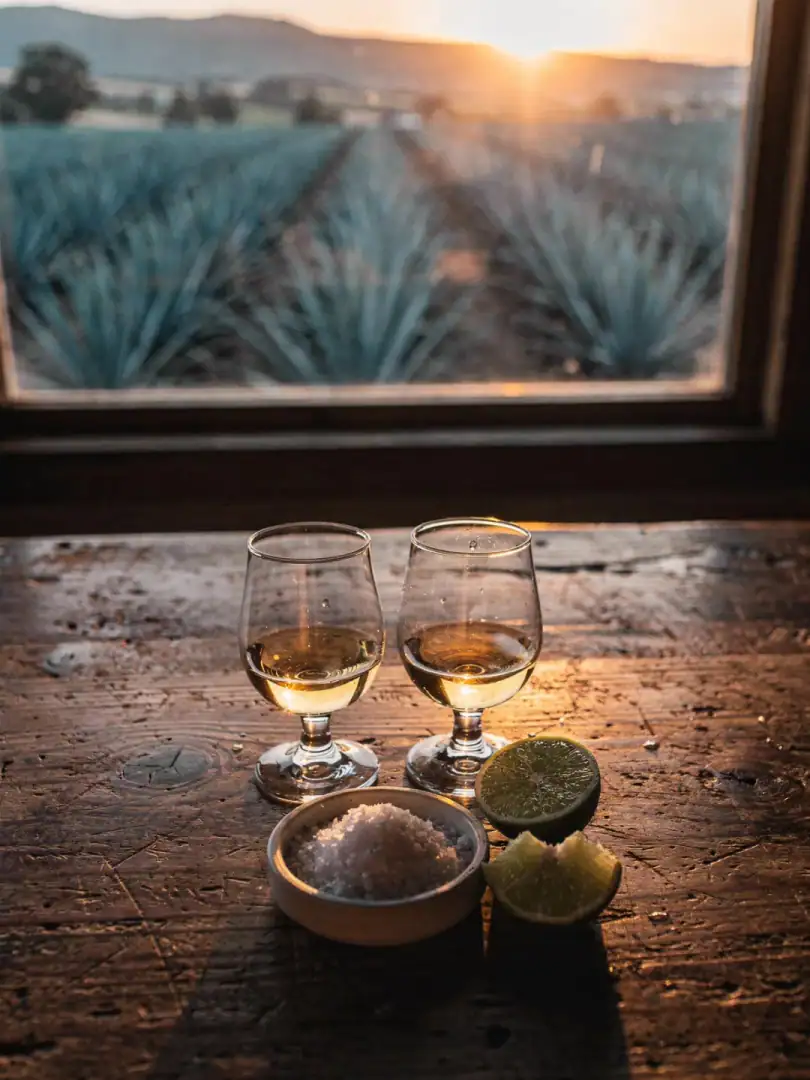
No dedicated drinking vessel has yet emerged for Californian Agave Spirit, no copita, jícara, or caballito. Tasting mostly happens in the distilleries' own modern tasting rooms, where simple nosing glasses are used, often for direct comparison across vintages or origins. A regional ritual like Mexico's simply doesn't exist yet.
This very comparison, field against field, soil against soil, remains the young scene's calling card for now. There's no unified house style the way major Tequila brands cultivate one. Whether that changes with more experience remains to be seen.