From Greeks to Woodhouse
Region & History
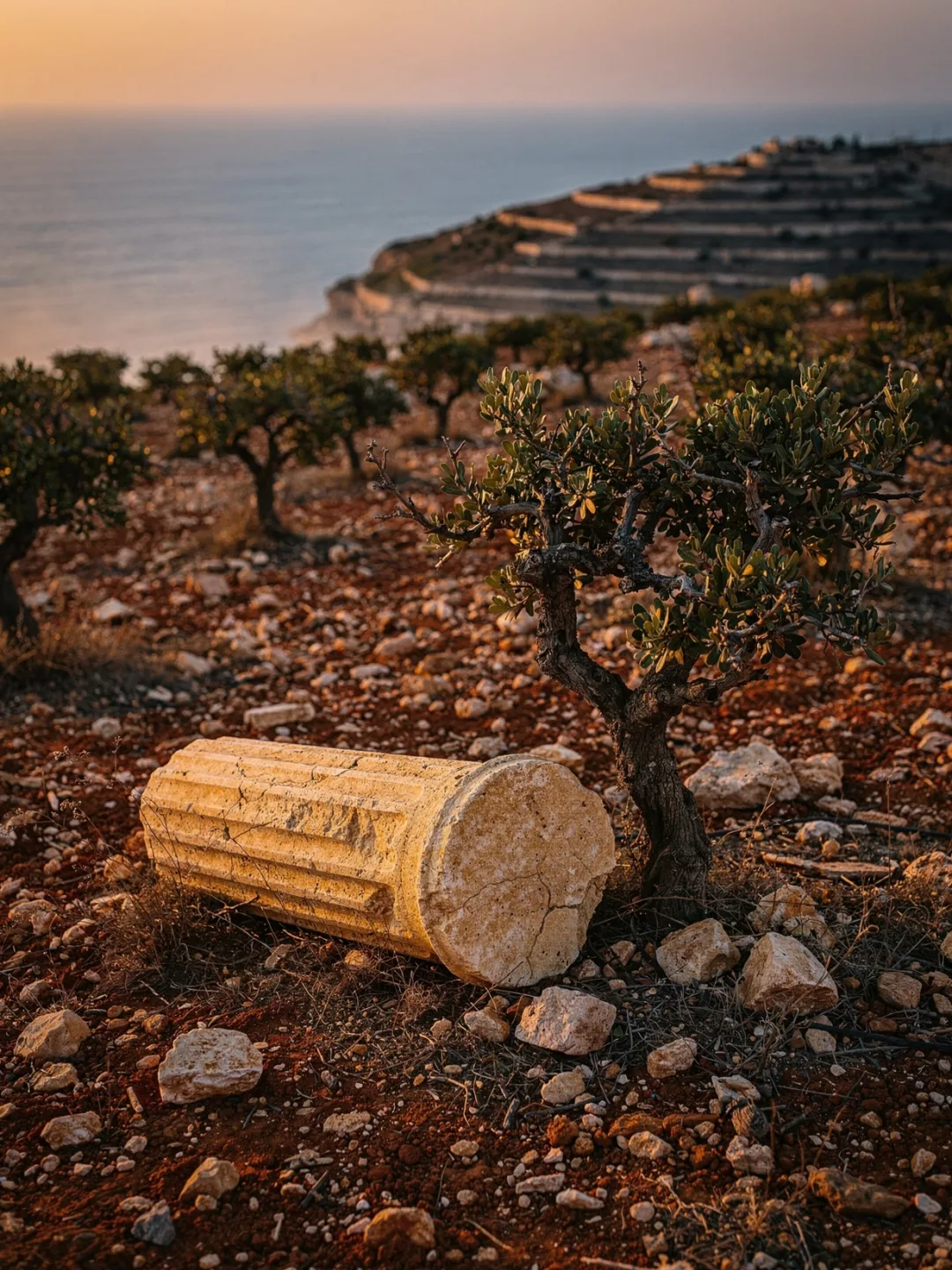
Greek settlers brought winemaking to Sicily long before Rome even existed. They arrived in the eighth century BC, founded Syracuse and Taormina, and planted their vines the way they knew from home: low, free-standing, without stake or wire. This training system is called alberello, Italian for "little tree," and it survives to this day. On Pantelleria, for instance, UNESCO even declared it a World Heritage practice in 2014.
On Etna, this long calm ended abruptly. By the late nineteenth century, vines covered roughly fifty thousand hectares of the volcano's slopes—more land than all of Tuscany has under vine today. Then came phylloxera, a pest that devours the roots of European vines, and the planted area collapsed. Walking through Etna's vineyards today, you often stand before old, own-rooted vines, because the sandy volcanic soil kept the pest at bay in places and spared some plantings from the usual American rootstock. By 2017, Etna DOC counted just 908 hectares. From fifty thousand down to under a thousand: that's the story of this mountain in a single number.
Things unfolded quite differently in the west of the island. In 1773, the English merchant John Woodhouse discovered a robust, alcohol-fortified wine in the town of Marsala. He recognized its potential for the long sea voyage to England—following the model of Port and Sherry. Within a few decades, Marsala conquered British tables, and in 1969 it became Sicily's first controlled designation of origin by government decree, one of the earliest in all of Italy.
In the southeast, the clock ran differently again. Cerasuolo di Vittoria is already mentioned in texts from the seventeenth century. Yet official status came only centuries later. DOC status arrived in 1973, DOCG in 2005—making it, to this day, Sicily's only appellation at this highest tier.
The most recent turning point came in 2011, when the former Sicilia IGT became Sicilia DOC. Winegrowers committed to championing native varieties such as Nero d'Avola, Frappato, and Grillo, rather than continuing to expand mainly international grapes. It was with those international varieties that the island had tried to shed its reputation as a cheap bulk-wine producer back in the 1990s. This was the decision that changed course. It turned Sicily into an island that today shows more of its own wine styles than almost any other region in Italy.