Ban and destruction
Prohibition and World Wars
In the twentieth century, winemaking faced state and military force not once but twice. Both events forced the industry to reinvent itself from the ground up.
America dries out
One was a legal ban on alcohol in the United States; the other was two world wars that turned European vineyards directly into battlefields. On January 17, 1920, Prohibition took effect in the United States, grounded in the Eighteenth Amendment and enforced through the so-called Volstead Act. The production, sale, and transport of alcohol were banned nationwide. Exceptions existed only for medical or religious use, including sacramental wine for Catholic Mass.
For Californian wineries, the ban posed an existential threat: many grubbed up their vineyards entirely or planted table grapes instead, which could legally be sold as fresh fruit. Some winemakers sold concentrated grape juice with a printed warning label, telling buyers under no circumstances to let the mixture sit longer than a certain period, or it would begin fermenting on its own. This was a barely disguised trick to keep making wine. Interestingly, private wine consumption in some households actually increased during Prohibition. The law explicitly allowed the private production of a small amount for personal use, as long as no one sold it. Only on December 5, 1933, did the Twenty-first Amendment repeal the ban, after nearly fourteen years. By then, many vineyards and the expertise behind them had already been lost beyond recovery.
Two wars, devastated vineyards
World War I literally turned parts of Champagne into battlefields. Trenches cut through historic vineyards, and some cellars lay so close to the front that workers kept laboring amid the shelling. Some hid their barrels in underground chalk cellars, which doubled as shelters. Entire vintages were lost completely, because no one could tend the vines or harvest the grapes in time.
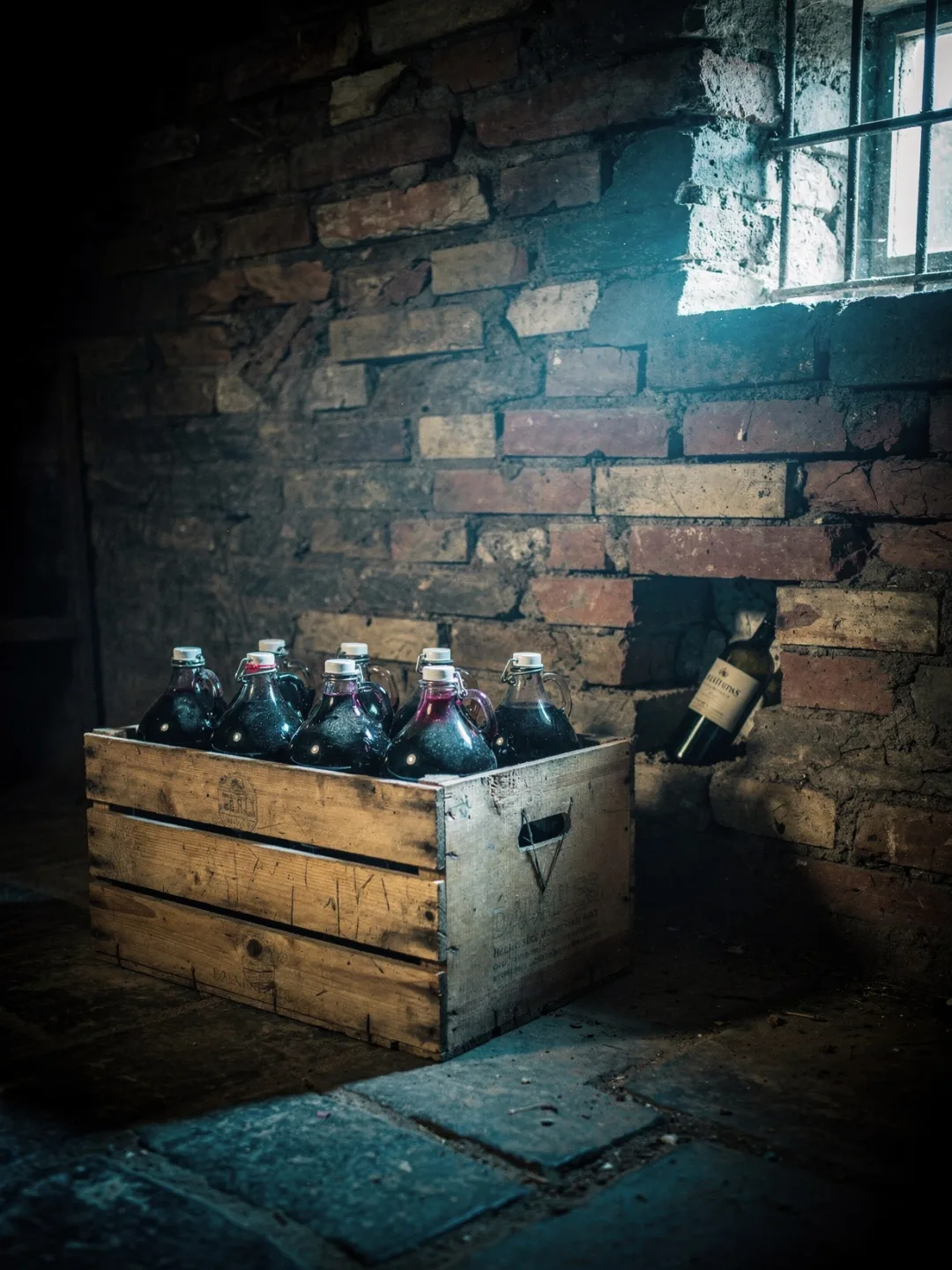
In World War II, a similar pattern repeated itself across much of Europe. Occupying forces requisitioned wine in large quantities to supply their own troops, while many experienced winegrowers were drafted as soldiers and had to leave their vineyards untended. In France, some wine estates hid their best bottles behind bricked-up cellar walls to save them from confiscation. This practice gave rise to genuine legends after the war about rediscovered treasures. Other producers deliberately bottled their most valuable vintages in poorly labeled or dusty-looking bottles, so that foreign soldiers would mistake them for inferior everyday wine and leave them alone.
Rebuilding under new conditions
After 1945, many European wine regions had to literally rebuild their vineyards, often with little capital and scarce labor. At the same time, the reconstruction of entire cities competed for the very same scarce resources. This difficult situation accelerated the introduction of stricter regulations on origin and quality in some countries, as people sought to prevent inferior wine from further damaging the already battered reputation of entire regions.
In the United States, meanwhile, the entire wine culture had to be built up almost from scratch after the end of Prohibition. Much of the expertise, the grape varieties, and the established customer base had simply vanished during the fourteen dry years. Californian winemakers began, in the decades that followed, almost from zero. Many even had to answer basic questions about soil and climate all over again, because the accumulated experience of a whole generation of winemakers was simply missing.
A fresh start born of hardship
Precisely because both crises, Prohibition and war, destroyed so much, they also created room for fresh starts. In the decades that followed, Californian winemakers experimented more freely with varieties and techniques than the tradition-bound regions of Europe. There, few established rules existed that they had to adhere to. This freedom later became the foundation for a rise that almost no one would have expected.
It is precisely this rise of the so-called New World, and a single afternoon in Paris that took the entire wine world by surprise, that the next stop on this journey is about. What began amid the ruins of two crises ended decades later with a result that hardly anyone in France itself would have thought possible.