The short answer
Choose non-alcoholic wine based on occasion and desired taste. Check four things on the label: the exact product designation, the alcohol content, the sugar per 100 ml, and the storage instructions. For starters, buy just a few bottles and drink them well chilled with the meal you planned. You won't find the same full mouthfeel as with alcoholic wine.
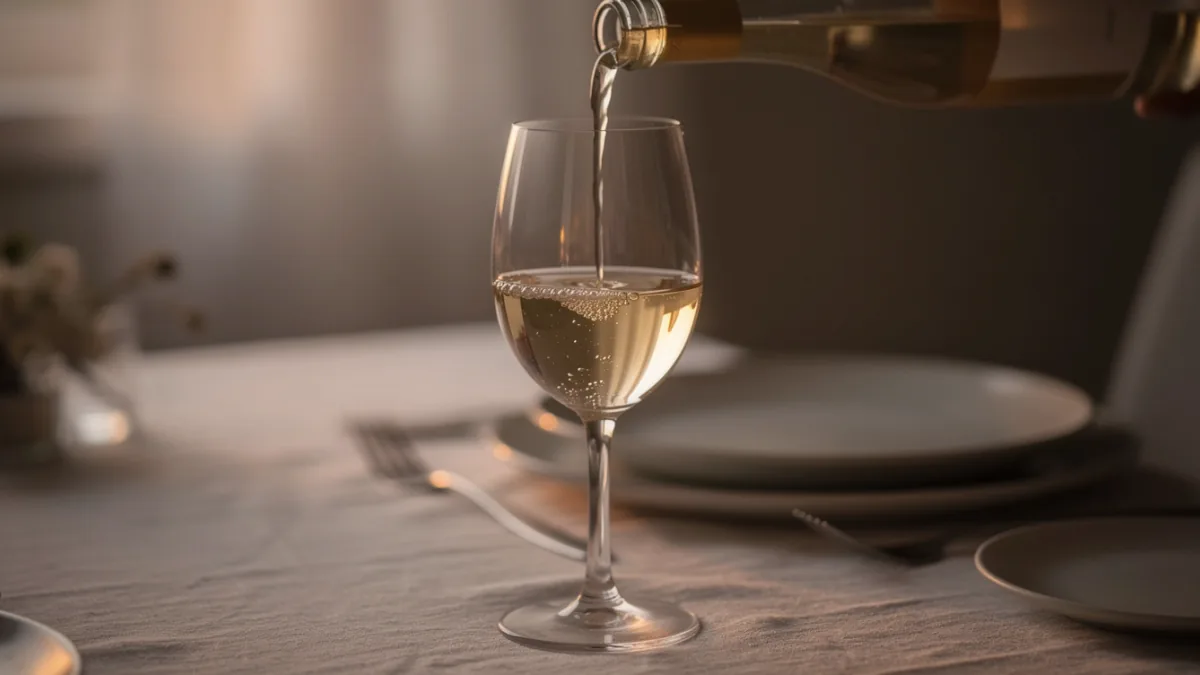
What do you want to experience in the glass?
First ask yourself a simple question: what do you need the glass for? A refreshing aperitif before the meal is different from a companion to the main course. And a quiet glass without carbonation in the evening is different again. This purpose determines your choice more than the grape variety on the label.
A sparkling, fruity fizz can be exactly right for this. It might not taste like your usual favorite wine. That's not a flaw, as long as it suits the occasion.
If you're looking for a drink without noticeable sweetness, compare specific products and their nutritional information. A fruity aroma doesn't necessarily mean sweetness. And low sugar alone doesn't make for a pleasant overall impression. Acidity, carbonation, aroma, and body always work together. Body refers to how full the drink feels in the mouth.
For your first comparison, buy two individual bottles or small formats. A whole stock backfires if the style doesn't suit you.
| Your occasion | Possible direction | Watch for |
|---|---|---|
| Aperitif | Sparkling and fresh | Try sweetness, acidity, and carbonation together |
| Light meal | Fresh white wine or rosé | Don't choose by grape variety alone |
| Richer dishes | Expressive white wine or matching red wine | Match body and acidity to the sauce |
| Very little sweetness desired | Compare products with clear sugar labeling | Read grams per 100 ml; then check by taste |
Why non-alcoholic wine tastes different
Dealcoholized wine is made in two steps. First, the winemaker produces completely normal wine. Then a process removes the alcohol again. This changes more than just the alcohol figure on the label. Aroma, acidity, and body end up in a different relationship to each other.
The same base wine can taste lighter and more acid-driven without alcohol. The alcohol had weight in the mouth, and that weight is now missing. Still, the result has nothing to do with grape juice. Grape juice was never wine.
Producers work with various processes and recipes. Some products taste fruit-forward and round, others lean and fresh. The grape variety is therefore just one clue among several. Judge the finished drink in the context you bought it for. Searching for the missing alcohol sensation won't get you anywhere.
The label check before buying
First read the exact product designation. Is it dealcoholized wine, a sparkling beverage, or another non-alcoholic alternative? These three are not the same thing. Then read the alcohol statement and the manufacturer's explanation of it. Don't treat "alcohol-free" and "0.0" as the same claim without checking.
Always compare energy and sugar on the same basis, ideally per 100 ml. A calculation example: 4 g sugar per 100 ml works out to 6 g in a 150 ml serving. This calculation assumes a certain portion size. It says nothing about any individual bottle. Ingredients, allergens, and storage instructions are also part of the purchase decision.
If you've decided to avoid alcohol entirely, the imagery on the bottle isn't a sufficient basis. Even a word like "light" isn't a specification. Check the actual labeling. A general category is still no guarantee for the individual product.
Serving: start cool and taste again in the glass
Temperature recommendations for non-alcoholic wine are starting points for comparison, not binding rules. If the bottle has a recommendation, follow that instead.
If a product barely has any aroma at first, let a small sample in the glass warm up a little. Then try again. A glass that's too warm has the opposite effect. Acidity, sweetness, or a lack of body then stand out unpleasantly.
A clean wine glass is entirely sufficient. Pour sparkling versions carefully into a cool glass. Start with just a little. That way you can observe how temperature and taste change in the glass.
Ice cubes dilute the drink and thereby change it. For a clean comparison, it's better to chill the whole bottle instead.
| Style | Starting range to try | Decide afterward |
|---|---|---|
| Sparkling | About 6–8 °C (43–46 °F) | Do aroma and freshness stay balanced? |
| White wine or rosé | About 8–10 °C (46–50 °F) | If the aroma is subdued, try it a bit warmer |
| Red wine | About 12–14 °C (54–57 °F) | Follow the bottle's recommendation and compare in small steps |
With food: sauce and preparation matter too
Start with the most powerful component on the plate. A lemony sauce, spicy seasoning, roasted notes, or a sweet dressing often weigh more heavily than the question of fish versus meat. A fresh non-alcoholic white wine pairs well with a light dish. Next to a very sweet dessert, that same wine might come across as distinctly sour.
Try a small sip before and after a bite. If the drink seems thin alongside the food, you need more aroma or a different pairing. This comparison takes less than a minute and saves you a lot of guesswork.
You don't have to pair every dish with non-alcoholic wine. Unsweetened tea, sparkling tea, or another non-alcoholic blend may be the better choice depending on the meal. Sparkling tea is fizzy tea.
After opening: note the date and store cool
Reseal the bottle after pouring. Then put it in the refrigerator, even for a red style. Note the date you opened it. If the bottle says "consume within … days of opening," follow that guidance. It helps you more than a blanket number for all non-alcoholic wines.
Sparkling products need a proper closure. The carbonation often escapes before you notice other changes. The taste noticeably flattens as a result.
Plan the bottle size around your actual needs. For an occasional glass, a smaller format is the better choice. Otherwise a large bottle sits half-empty in the fridge.
An unusual smell, visible changes, or a damaged closure are reasons to leave the product alone. A taste test proves nothing here. It's not reliable as a safety check. Follow the manufacturer's instructions and don't store sensitive products in unnecessary warmth.
The first attempt was disappointing
"Too sour," "too sweet," and "not enough body" lead to very different next steps. So note your impression specifically. A plain "doesn't taste good" won't help you on your next purchase.
If the drink was too sweet for you, compare a less sweetened version. If you missed the freshness, a sparkling variant is often the more interesting attempt. But if you miss the full impression of a robust red wine, searching for an identical copy rarely gets you there. A different beverage style will take you further.
On the second attempt, change only one focus point if possible. Try the drink for the occasion you bought it for. A large selection without a plan easily leads to several similar missteps.
Photograph the label and jot down two sentences about it. That way you can match up good and bad experiences later. After a few bottles, you'll have a useful picture of your own preferences.
Your checklist for the next purchase
Before you shop, decide three things: occasion, flavor direction, and budget. In the store, check the designation, alcohol statement, sugar basis, and storage instructions. Take home a manageable quantity at first. At home, chill according to the bottle's recommendation and try it with the meal you bought it for.
Use the label check on this page as a shopping note. It doesn't rate any brand. Nor does it grant any health clearance. It simply makes sure you don't overlook the important information and can retrace your next choice.