Fortified and Oxidative
Fortified Wines: Port, Sherry, Madeira
Port, Sherry, and Madeira share one trick: brandy is added to them during or after fermentation. This station explains how this single step produces three completely different wine styles, each capable of aging for decades.
Fortification: A Splash of Brandy with a Big Effect
Fortified wine is also called fortified or strengthened wine. It's made by adding neutral brandy to the base wine, typically raising it to around seventeen to twenty-two percent alcohol by volume. If this happens in the middle of fermentation, the added alcohol kills off the yeast before it has processed all the sugar. The wine therefore remains naturally sweet. This brandy is produced specifically for fortification and usually has a very neutral, unobtrusive flavor of its own, so it doesn't mask the character of the base wine.
If fortification instead happens only after fermentation has fully finished, the base wine starts out dry. Any sweetness then has to be deliberately added back in later. This single difference in timing already separates the basic types of Port and Sherry from one another. For non-experts, this one technical distinction in timing can be hard to spot, even though it determines whether the entire finished wine turns out sweet or dry.
Port: Sweet Through an Early Stop
Port comes from the Douro Valley. It's fortified right in the middle of vigorous fermentation, usually after just a few days. As a result, a large portion of the grape sugar remains unfermented in the wine. Add to that the firm tannin from the region's dark red grape varieties. The Douro region, with its steep, terraced vineyards, ranks among the most demanding and labor-intensive wine regions in the entire world.
Depending on the aging path, different styles emerge. Ruby Port ages briefly and retains plenty of fruitiness. Tawny Port, by contrast, ages oxidatively for years in wooden casks, taking on notes of nuts and caramel. Vintage Port ages exclusively in bottle and only reveals its full character after decades. A great Vintage Port is therefore regarded by collectors as a true generational wine, meant to be opened only by the buyer's children or grandchildren.
Sherry: The Power of Flor Yeast and the Solera System
Sherry from southern Spain's Andalusia is always fortified only after fermentation has fully completed, so the base wine starts out dry. In some barrels, a thick, white layer of yeast called flor forms on its own on the surface of the wine. It shields the wine from oxygen like a natural lid. This is what produces the pale Fino and Manzanilla styles. This flor yeast doesn't form by chance at all—it requires a very precisely calibrated interplay of humidity, temperature, and the cellar's particular barrel-filling practices.
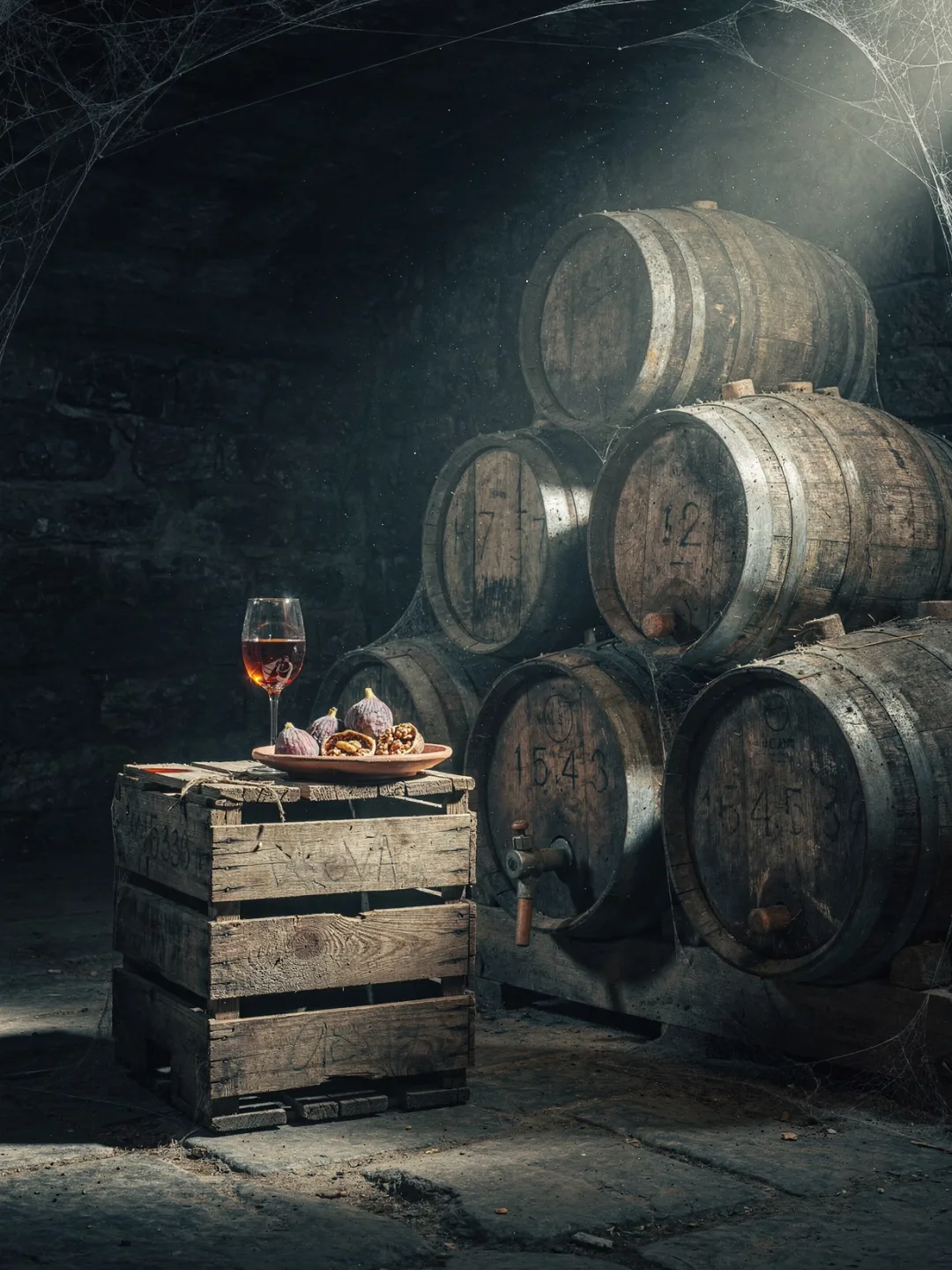
Barrels without this protective layer, on the other hand, are deliberately allowed to oxidize into darker, nuttier Oloroso. Almost all Sherry then ages further in the Solera system, a tower of stacked barrels of different ages. When bottling, wine is drawn only from the lowest, oldest barrel, which is immediately topped up from the barrel above it. This means every bottle contains a drop of very old wine. It's precisely this constant topping-up across different age tiers that ensures a given Sherry style tastes practically the same decade after decade.
Madeira: Made Durable by Deliberate Heat
Madeira is named after the Portuguese Atlantic island of the same name. It owes its style to a historical accident. Casks that were heated during long sea voyages through the tropics arrived at their destination surprisingly better and more stable than before. Winemakers now deliberately imitate this effect, either in heated tanks called estufagem, or over years in warm attic spaces called canteiro. This chance discovery on the high seas changed production so profoundly that Madeira remains, to this day, one of the very few wines in the world that is intentionally heated.
This controlled heating makes Madeira nearly indestructible. Once opened, a bottle can keep for weeks, sometimes even months, without noticeably deteriorating. The wine has already been stabilized through deliberate oxidation and heat. Some vintage Madeiras from the nineteenth century are still being drunk today, and are considered remarkably fresh. It's precisely this near-unlimited shelf life that historically made Madeira the preferred wine for long sea voyages, long before modern refrigeration even existed.