Rye from the Farm Next Door
Grain
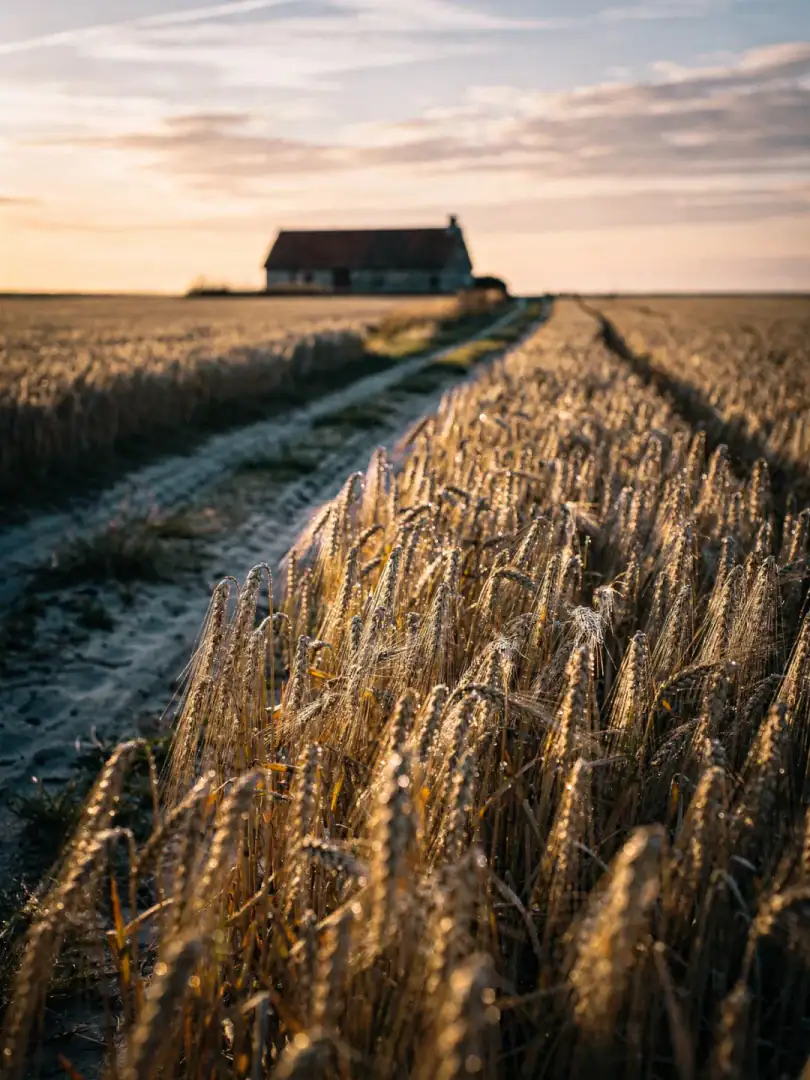
Ask at Stauning where the grain comes from, and you'll get a distance in kilometers rather than a country name. Barley and rye come from farms no more than twenty kilometers away, often within cycling distance. That's unusual in the whisky world, where malt typically comes from a handful of large maltings scattered across a country, or even imported from abroad.
No other grain sets this region apart from Scotland quite like rye. It thrives on West Jutland's sandy, lean soil better than barley does. Long before whisky, it was already a bread grain here. When distilled, it brings a spicy, almost peppery note that reminds connoisseurs more of American rye whiskey than of a Scottish single malt.
Stauning Rye was one of the first bottlings to put the distillery on the map. It's a pure rye whisky made to a Danish recipe, distilled from a mash largely composed of malted rye. Alongside it, the distillery makes single malts from pure barley and blends of both, depending on what grain local farmers happen to be delivering.
Under EU law, what matures here can only be called whisky after three years in a wooden cask and at a minimum of 40 percent ABV. That applies regardless of whether it was distilled from barley or rye. Denmark has no whisky law of its own; the rules come from Brussels and apply equally to every distillery between Copenhagen and Skagen.
This closeness to the field also gives distilleries more control over the character of their whisky than distant suppliers would allow. A dry summer in the fields near Skjern shows up directly in the next batch. Braunstein in Køge and Fary Lochan near Give follow the same logic, buying their grain from farmers in their own local landscape.