The short answer
Rye is the English word for the grain rye. For American Rye Whiskey, US rules require at least 51 percent rye in the grain mix. For other origins, different rules and traditions may apply.
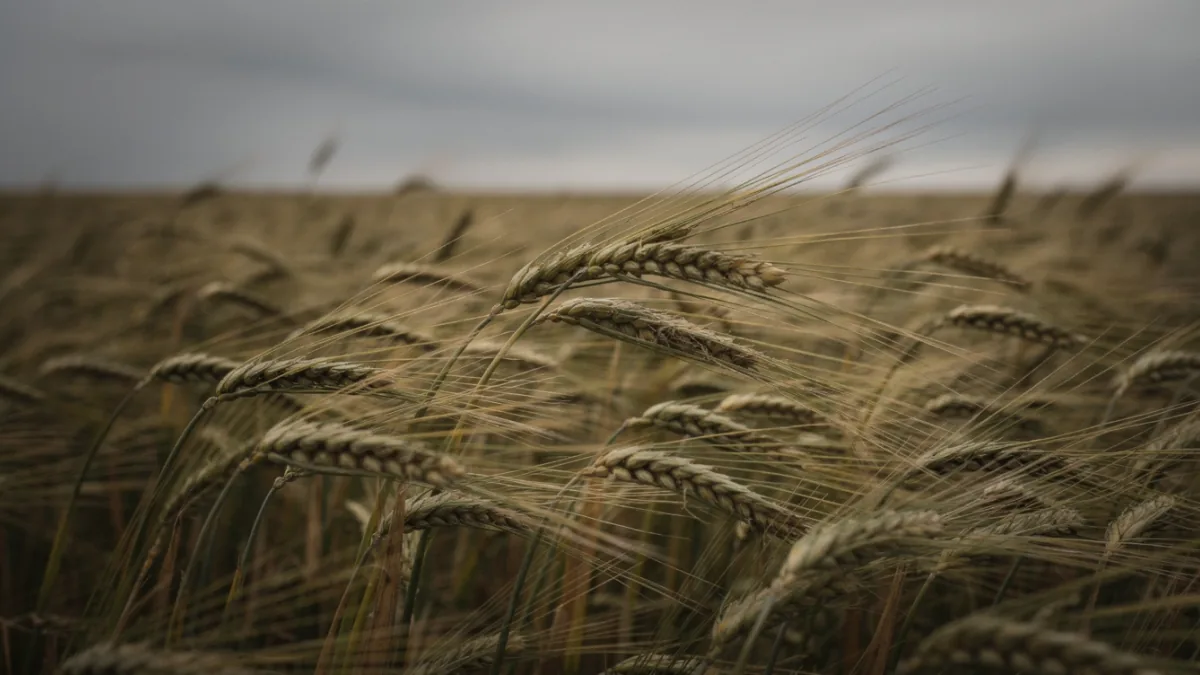
Don't translate every Rye label the same way
US Rye and US Bourbon differ, among other things, in the required dominant grain. For US Rye, new charred oak casks are part of the regulations. If Rye appears on a Canadian whisky, that same 51-percent requirement doesn't automatically apply.
The 51 percent is a floor, not a recipe. An American Rye can sit just above that or be made almost entirely of rye. Both can carry the same category name. What else is in the grain mix usually isn't revealed on the label. Two bottles with the same designation can therefore taste quite different. That's not a contradiction, but the result of a rule that only sets the minimum share.
The second point in the rulebook also needs translating. New charred oak casks means: the wood hasn't held any other spirit before. Some of what you later notice in the glass, then, comes from the cask, not the grain. If you attribute everything bold or woody to the rye, you're mixing up two influences. For US Rye, both are prescribed together anyway.
With Canadian whisky, the word Rye has its own history. It doesn't function there as shorthand for the same minimum requirement. So always read the word together with the origin statement on the bottle. Only together do they tell you which rulebook stands behind the bottling.
What to ask about Rye in the shop
Read origin and the full category together. For a taste comparison, put a specific Rye up against a Bourbon of similar strength. Ask about the style, and don't automatically expect it to be sharp or spicy.
Note separately what you smell and how strong the alcohol feels. A burning sensation in the mouth isn't simply the taste of rye. In a cocktail, the whole recipe matters too. A bottling that gives you little on its own can behave differently within one. That doesn't make the tasting wrong, nor the cocktail.
With a retailer, open questions get you further than keywords. Ask about the origin, the full category, and how they'd describe the style. Answers like soft, dry, or bold on the oak tell you more than the label alone. If they just say typical Rye, it's worth asking what exactly they mean by that.
Two columns are enough for your notes. In one, write down what you smell and taste. In the other, note how present the alcohol is. This separation keeps you from confusing drinking strength with grain character. A sip of water in between and a pause before the second bottle keep your perception fresh.
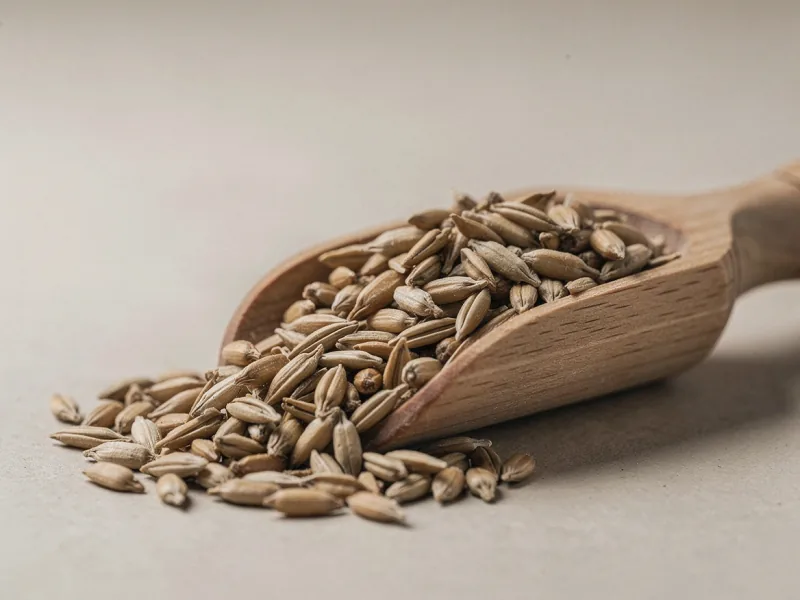
Rye Doesn't Automatically Mean Spicy
The first misconception is: rye equals spicy. Spiciness on the palate largely comes from drinking strength, and that's stated on every bottle. So when you compare a robust bottling against a milder one, you're often comparing the alcohol, not the grain. If the raw material is what interests you, try to keep both bottles at a similar strength.
The second misconception concerns the number. At least 51 percent rye doesn't mean pure rye. It also doesn't mean that two bottles with the same category name use the same mash bill. The third is assuming that rye is the same promise everywhere. As soon as a different origin appears on the label, different rules may apply.
Setting Up a Small Tasting at Home
Take two glasses of the same shape, pour equal amounts, and let both sit briefly. Then smell first, without tasting. After that, taste in one order, and later again in reverse. This way you can see whether your judgment holds steady. The second round surprisingly often corrects the first impression, because the palate has adjusted to the strength.
When comparing a rye against a bourbon of similar strength, note more than just your favorite. Write down what actually helps you tell the two apart. That's exactly the useful insight for your next purchase. If a bottling doesn't do much for you neat, try it in a cocktail later before you write it off.