Desert, Sea, Mountain Air
Water & Climate
Few countries offer as many climate zones in such a small area as Israel, and M&H makes deliberate use of that. Between the Mediterranean at Tel Aviv and the Dead Sea lies less than a hundred kilometers as the crow flies, yet a world of difference in weather.
For the mash, the distillery filters groundwater from the region, treated in its own small facility. Reliable, soft water quality isn't a given in the densely populated Tel Aviv metropolitan area. But the bigger difference comes afterward, from the climate in the warehouse, not the water in the mash.
M&H matures its whisky in five locations with completely different weather. By the Sea of Galilee, more than two hundred meters below sea level, humid air keeps the casks calm. Alcohol evaporates more slowly there than elsewhere in the country. In the mountains around Jerusalem, at seven to eight hundred meters elevation, cool nights bring the daytime heat down noticeably, and the wood releases its flavor more gently. At the edge of the Negev desert, by contrast, the dry air practically dries out the cask, leaving considerably less water than alcohol in the bottle by the end.
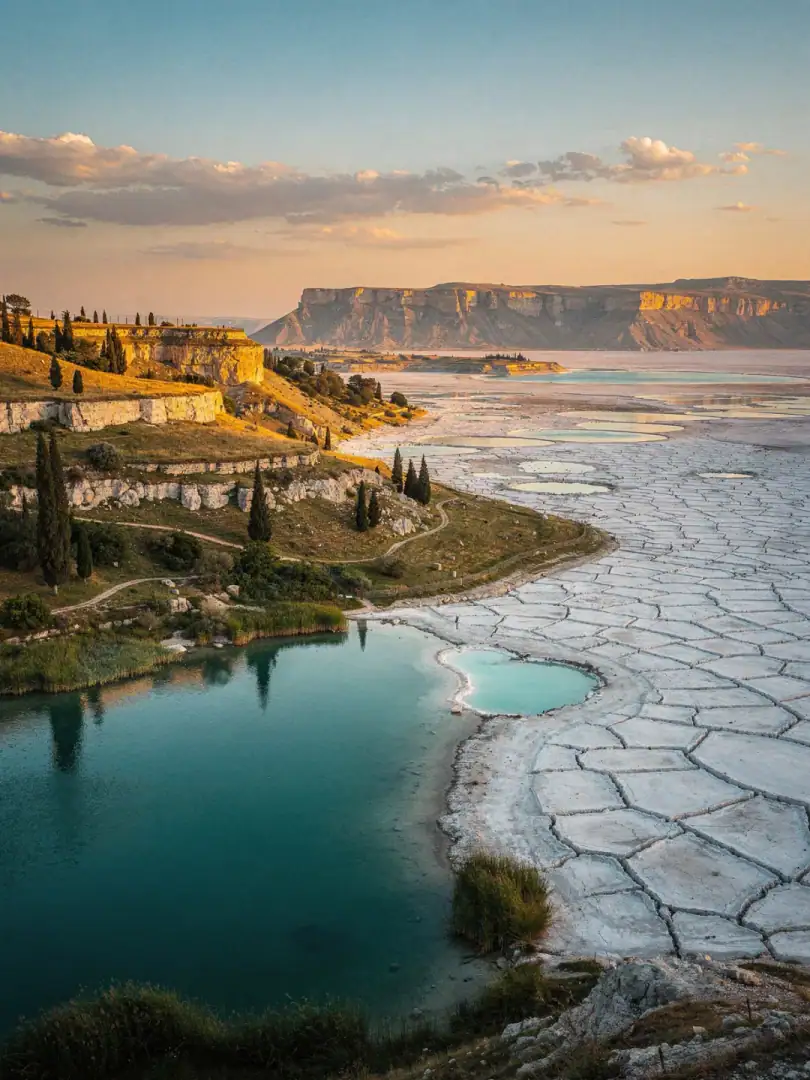
By the Dead Sea, more than four hundred meters below sea level and thus the lowest point on Earth, summer temperatures climb as high as fifty degrees Celsius. Around three hundred days of sunshine a year mean the oak is constantly expanding and contracting, far more often than in Scotland's temperate climate. On average, the whisky loses twelve percent a year to the so-called angels. By the Dead Sea, that figure can reach up to twenty-five percent, compared to just two percent in Scotland.