The short answer
The cask shapes the whisky for as long as it rests inside it. Wood, previous contents, and warehouse conditions all work together. More years therefore don't automatically mean more enjoyment.
Time Is Only Part of the Story
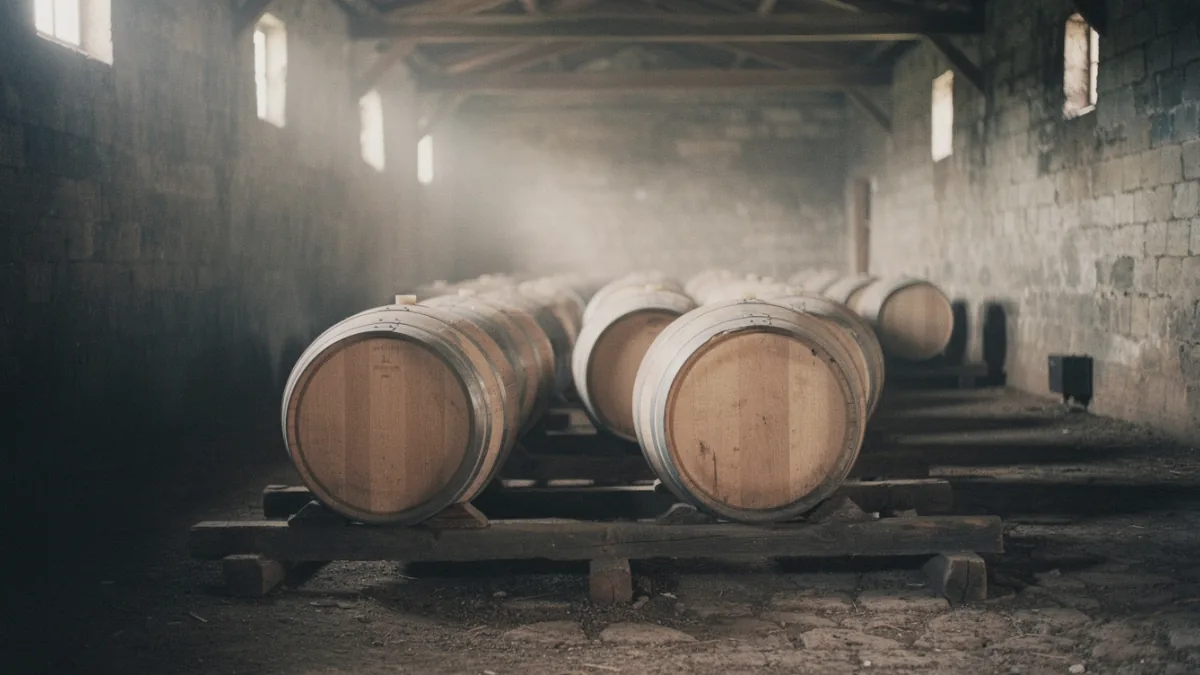
Whisky matures under very different conditions — sometimes cool and damp, sometimes warm. The type of cask also changes how quickly things happen. An age statement alone therefore doesn't describe how strongly wood and other impressions ultimately come through.
A cask is not a neutral container. It gives something up, it absorbs something, and both happen faster or slower depending on the warehouse. Two casks filled on the same day can be at very different points after the same amount of time. So the number on the label measures time, not effect.
For you, this means: what ultimately matters is what happens in the glass. If a younger whisky feels rounder to you than an older one, the interplay of wood and maturation simply worked out differently for it. Age is a piece of production information, just like cask type.
What Prior Cask Use Reveals
Prior use simply means: what was in this cask before the whisky? A note about a bourbon or sherry cask describes exactly that one step. It doesn't promise a fixed list of flavors. It's better to ask in the shop how the individual bottling is described.
For your own comparison, look for two cask variants from the same distillery, ideally at a similar strength. That way, fewer things differ at once. Note whether you pick up more fruit, more wood, or more dryness. If you like the older whisky less, that's a valid result, not a sign of an untrained palate.
The prior-use note shows you the wood's history before the whisky. It doesn't tell you how long the whisky rested in it. Nor whether the cask only shaped the final stretch of maturation. Specialist retailers can often look this up for you. The description of the individual bottling will get you further than the keyword on the front label.
Reading Chill Filtration and Color Separately
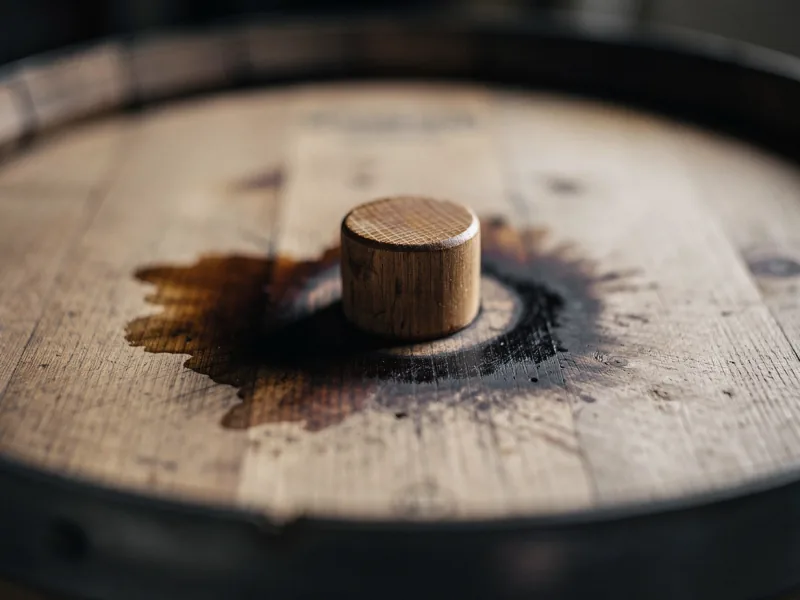
Chill filtration is a processing step: the whisky is cooled down and filtered. This removes components that would otherwise make it turn cloudy when chilled or mixed with water. So non-chill-filtered describes the processing method, not a quality tier. A slight haze in the glass isn't, by itself, a flaw.
Natural color and uncolored answer a different question. How dark a whisky looks depends on cask type and maturation. That can't be translated into years. So check the details for the specific bottling. A dark color doesn't prove a great age.
When tasting, you can tell the two apart. Add a little water and see if the whisky turns milky. If it does, that tells you something about the processing, not a flaw in the glass. Look at the color afterward, in bright light against a white surface. Don't draw conclusions about age or sweetness from either.
Older isn't automatically better
The most persistent myth concerns color. Dark looks bold and well-matured. But color comes from cask type and maturation, and it can't be converted into years. A pale whisky can taste intense, while a dark one can stay restrained.
The second misunderstanding concerns the cask statement. Sherry cask is often equated with sweetness. But the term only describes what was previously in the wood. And haze in a chilled glass tells you something about processing, not about a spoiled whisky.