Rye First
Grain
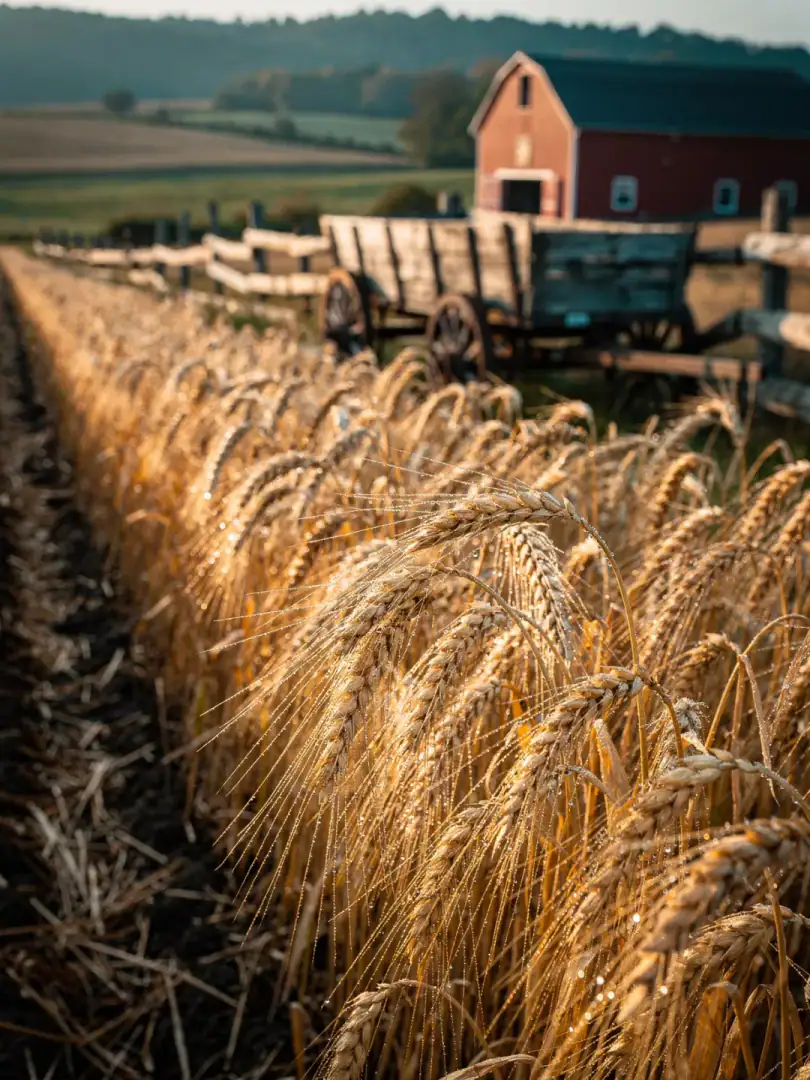
Whisky regions are often defined by water or by the still. In the Northeast, the story begins with the grain: rye thrives here, where corn and barley struggle against cold winters and thin, stony soil. That's exactly why the first distillers in Pennsylvania and Maryland turned to it, not out of preference, but because it was the grain their land could actually produce.
Legally, a mash bill in the US only needs 51 percent rye to be called "Rye Whiskey," with the rest allowed to be corn or malted barley. In the Northeast, the proportion is usually far higher. Dad's Hat from Pennsylvania distills with around 80 percent rye, while Coppersea in the Hudson Valley uses a full 100 percent, blending malted and unmalted grain.
New York goes even further. Since 2015, whiskey may only be called "Empire Rye" if at least 75 percent of the grain is rye, grown in New York, and the entire spirit is produced from mash to bottling at a single distillery. With Bourbon from Kentucky, it doesn't matter where the grain comes from. In New York, it does.
Things work quite differently one state over, in Lawrenceburg, Indiana. There, MGP Ingredients has been blending a mash of 95 percent rye and 5 percent malted barley for decades, in quantities a craft distiller can only dream of. A large share of the rye whiskey sitting on American bar shelves under other names ultimately comes from this very same still.