The short answer
Bourbon comes from the USA. Two requirements sit at the center: at least 51 percent corn in the grain mix, and new oak casks that are charred on the inside.
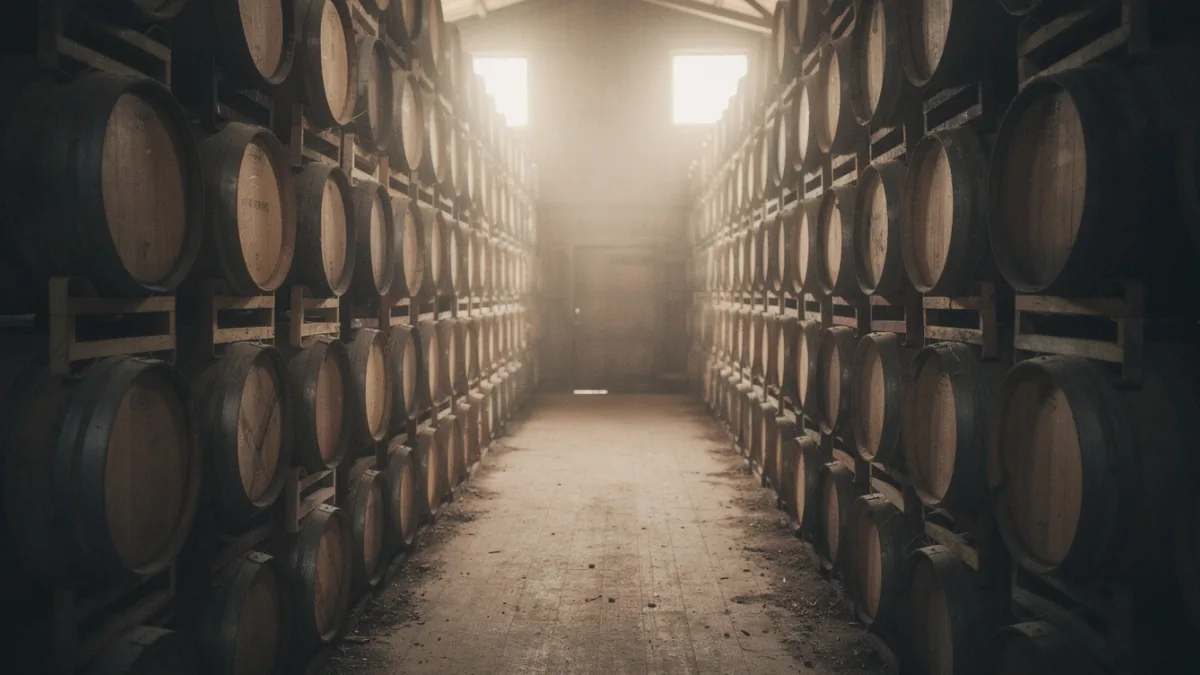
Bourbon: corn content and new oak casks
Bourbon is distilled at no more than 80 percent alcohol by volume and put into the cask at no more than 62.5 percent. At least 40 percent is required in the bottle. For Straight Bourbon, a minimum aging of two years applies. Without this designation, the minimum period doesn't apply across the board.
These figures belong to different stages: one to distillation, one to filling the cask, one to bottling. They're upper limits, not targets. There's a ceiling, but below it a distillery has room to maneuver. The word Bourbon alone, therefore, doesn't yet tell you how strong the bottle in front of you actually is.
New, in the case of casks, means: no bourbon was in it before. For this purpose, a cask is used only once. Charred means the inside was flame-treated before filling. Both points are part of the definition and aren't a stylistic choice made by individual houses. Anyone putting Bourbon on the label has met them.
Straight Bourbon carries the minimum aging period of two years, so to speak, in its name. If the word is missing, so is that information. The whiskey may be younger, but it doesn't have to be. If age matters to you, look first for the word Straight. The size of the brand name printed on the bottle won't help you here.
Kentucky isn't a general requirement
The federal rule requires the USA as the origin. Kentucky alone isn't mandated. So read the specific origin on the label, and don't take the well-known state as part of the definition.
For flavor, I'd also ask about cask character and strength. If a bold bottling feels too intense to you, that says little about bourbon in general. A small sample with a bit of water helps with comparison. Write down the full name. Additions like Straight or Barrel Proof describe different properties and aren't interchangeable marketing terms.
A state name on the bottle is additional origin information, not a condition for the category. A bottling without Kentucky in the name is therefore not half a bourbon. It simply came from somewhere else in the USA. If you're looking for the state, you'll usually find it in the small print rather than the large lettering.
In practice, a short note works better than any tasting note found online. Write down the full name, the percentage, and any additions listed. Next time, you'll know whether it was the bold bottling you didn't like, or that particular bourbon. One is a judgment about a category, the other about a bottle.
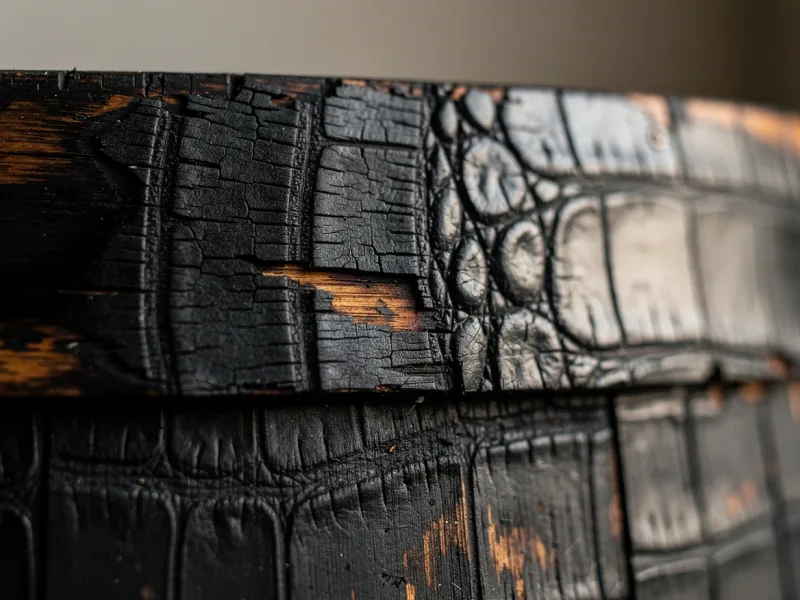
How to recognize genuine Bourbon
Go through the label in a fixed order. First the word Bourbon itself. Then a possible Straight before it, followed by the percentage, and lastly the origin statement. These four points cover what the rules are about: grain and cask are settled by the category, age and strength stand separately alongside.
Everything else on the bottle is name, design, and storytelling. Terms that don't replace any of these four pieces of information can safely be skipped when comparing two bottles. If two bottlings are similar in age and strength and you're still unsure, ask in the shop about cask treatment. The bottle's packaging won't get you any further.
Not every American whiskey is Bourbon
At least 51 percent corn doesn't mean Bourbon is a pure corn spirit. The rest of the grain mix has no upper limit and varies from one distillery to another. Two bottles that both satisfy the rule can therefore taste quite different. Neither is mislabeled because of that.
Barrel Proof isn't a quality seal either. The addition describes the strength of the bottling, nothing else. It says nothing about aging time, and certainly nothing about whether you'll like the whiskey. If such a bottle strikes you as too powerful, try the same brand without that addition before writing off the whole category.