Wheat & Black Earth
Raw Material
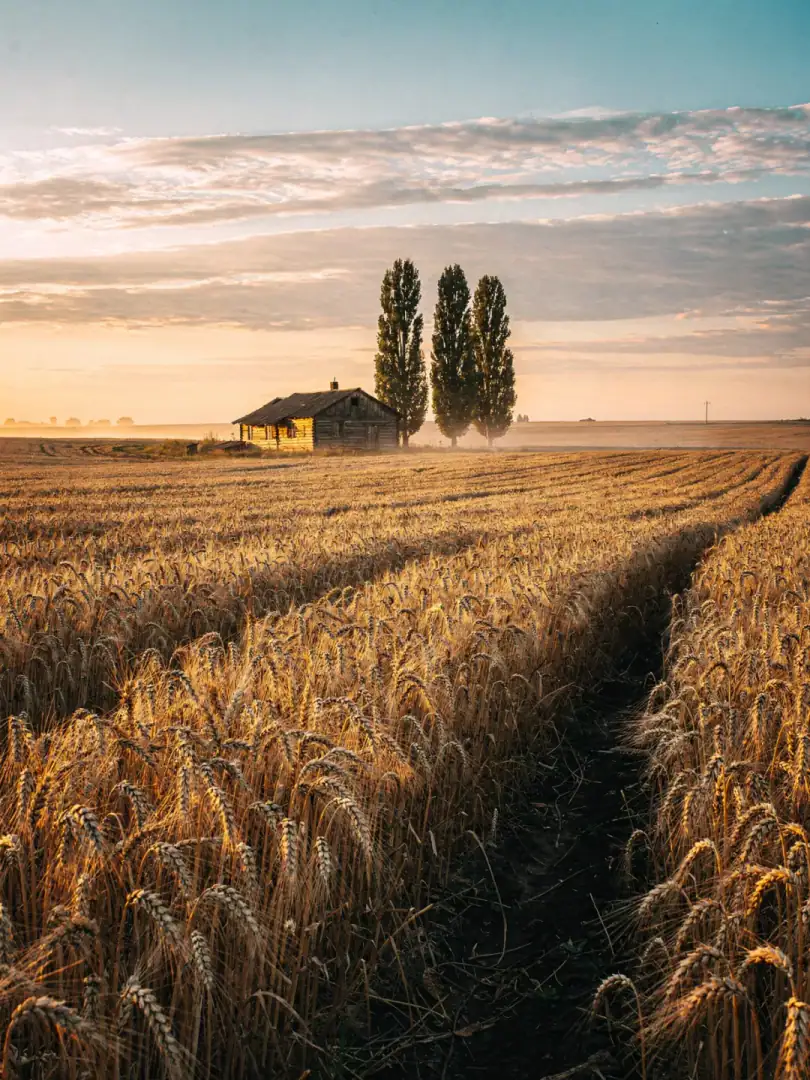
Anyone driving south from Kyiv in summer will see nothing but wheat for hours. The breadbasket effectively begins right at the capital's gates. It stretches through Cherkasy and Poltava all the way to the Dnipro Bend near Zaporizhzhia.
Beneath these fields lies black earth, known in Ukrainian as chornozem. It ranks among the most fertile soils in the world. Around 44 percent of the country's land area is covered by it. This dark, crumbly layer of humus formed over centuries from decaying steppe grass.
Winter wheat dominates the fields themselves, with rye growing on the somewhat sandier fringes. Both grains ripen in a climate of cold winters and hot, often dry summers. This gives the grain a firm husk and a high starch content.
For vodka, what matters most is how cleanly the mash made from this grain ferments. Wheat from the black earth delivers plenty of starch with little protein. This makes the mash clearer. It also gives the raw alcohol a softer character from the very start, even before distillation begins.
Rye from the same lands, by contrast, brings a bit more bite. There's also a subtly bready note that lingers even after rectification. Distilleries such as the one near Zaporizhzhia or the facility in Zolotonisha traditionally source their grain from the immediate surrounding area, not from farther afield.
After the late-summer harvest, the grain often sits in silos for only a few weeks before the year's first mash is set. This keeps the region's vodka tightly bound to the rhythm of the fields, year after year. It's a rhythm that still shapes the character of every vodka made here today.
a deep black, crumbly humus layer formed from centuries of decaying steppe grass
The root: here winter wheat draws most of its nutrients and the strength for a dense ear of grain