Lager on the Río
Beer Styles
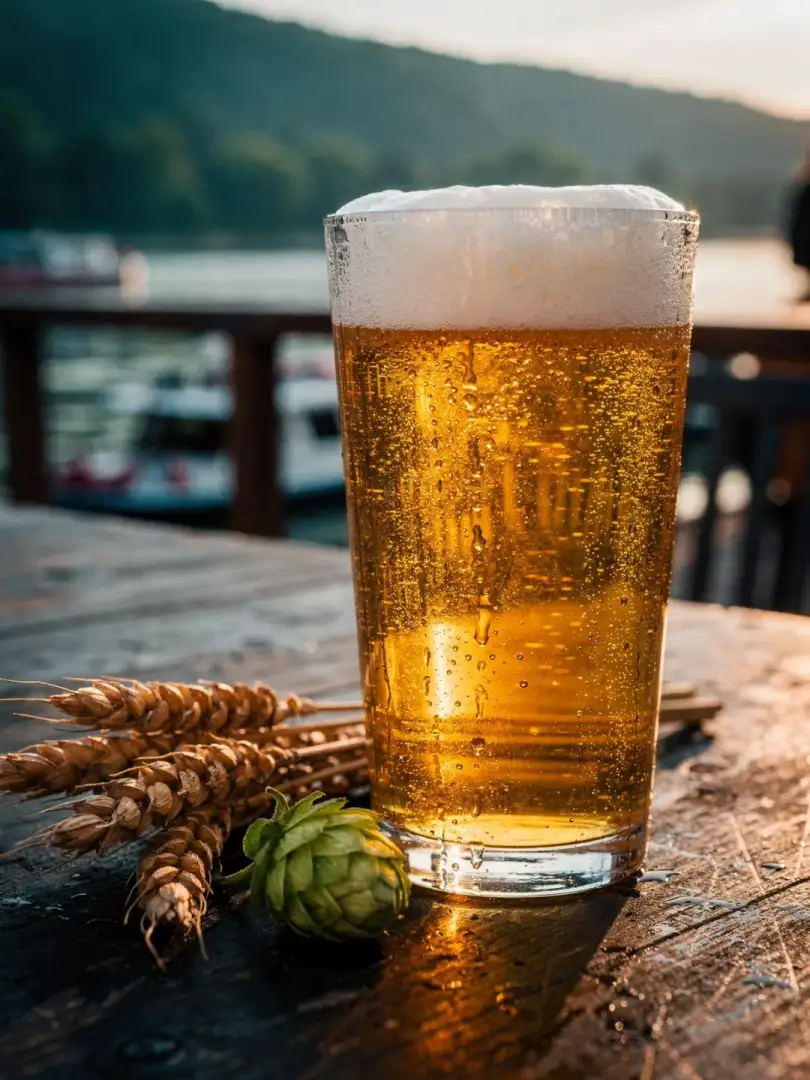
The flagship beer in Chile is the pale lager. It matches the style that the BJCP beer competition guidelines call "International Pale Lager": golden, light, low in bitterness, best enjoyed well chilled. A German Helles or Pils comes close, though the Chilean lager often tastes milder.
The difference from Pils shows up in the bitterness. A German Pils, per BJCP, reaches 22 to 40 IBU, while the International Pale Lager sits at 18 to 25. In return, it often brings more body than a light American lager, since the malt takes more of a leading role.
Alongside the major brands, among them Kunstmann, a craft scene has taken shape in Los Ríos and the Lake District. It brews Pale Ale, Stout, Weissbier, and more. Not every style follows a German blueprint, but the same careful craftsmanship attributed to the first immigrants carries through.
One everyday word belongs here. In Chile, a freshly tapped beer is ordered as a "Schop," a loanword from the German "Schoppen." The word is a reminder of how deeply German brewers shaped drinking culture in the south.
The figures in the profile are competition guidelines, not strict recipe requirements. A single brewery's beer can fall outside them, and the details on original gravity and alcohol content appear on the label.
Original gravity refers to the sugar content of the wort before fermentation, measured in degrees Plato. The more sugar the yeast finds, the more alcohol can develop. For a pale lager, this value usually falls between ten and twelve degrees.
International Pale Lagerbottom-fermented
- Original gravity
- 10.5–12.4 °P
- Alcohol
- 4.5–6 % vol
- Bitterness
- 18–25 IBU
- Colour
- 4–12 EBC
Golden, lean, mildly bitter, clean and best enjoyed well chilled.