Altbier in Detail
Beer Styles
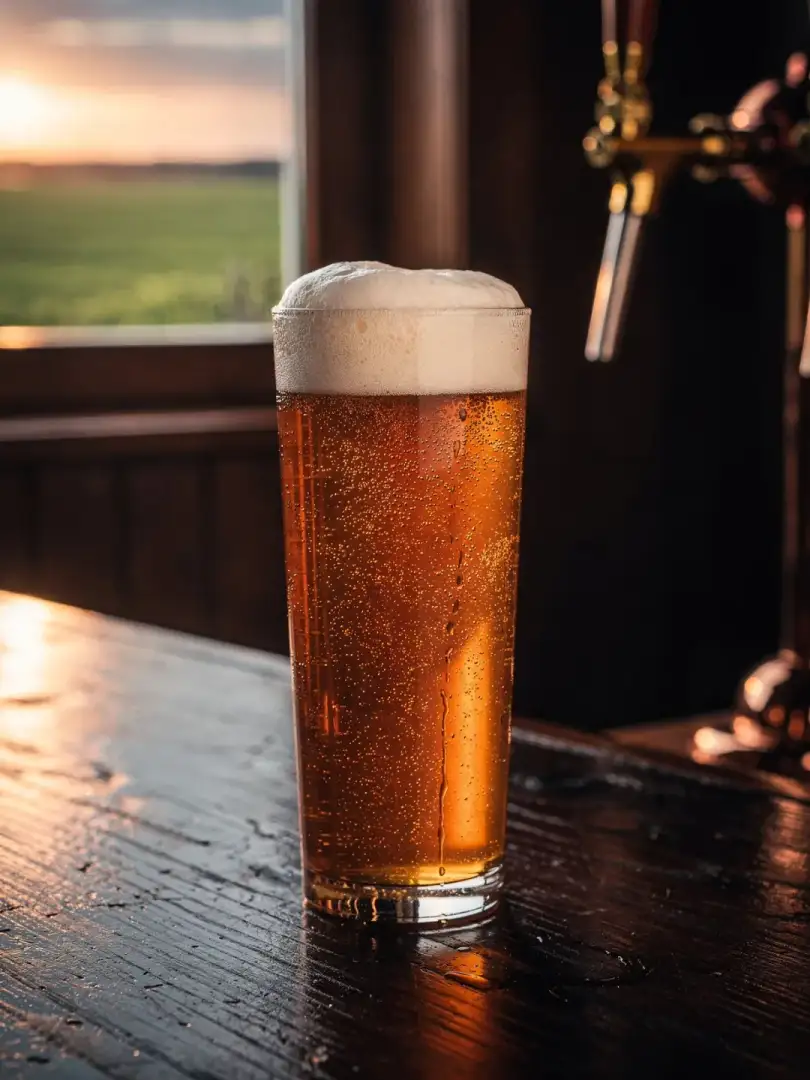
How much alcohol does Altbier have, and what does it look like? It typically runs between 4.3 and 5.5 percent ABV, the color ranges from copper to dark brown, and the head sits firm and creamy. The style originated in Düsseldorf and the Lower Rhine and is classified worldwide by that origin.
On the palate, a soft malt core of bread crust and caramel dominates, topped by a pronounced bitterness. Fruit is only hinted at, and roasted notes, unlike in Schwarzbier, appear only faintly. The finish is dry and bitter, which sets Altbier apart from sweeter dark beers.
The difference from Pils lies in color and fermentation. Pils is bottom-fermented, pale, and floral-hoppy. Altbier is top-fermented, amber-colored, and malt-driven. The two sit close together in bitterness, but the malt makes Altbier feel rounder.
On the Lower Rhine, Altbier comes in two versions. Filtered to brilliant clarity, as with Diebels in Issum, it's sold well beyond the region. Unfiltered, like Bolten's Ur-Alt, it stays a bit yeastier and fuller-bodied on the palate. Both belong to the same style, and both follow the ingredient rules for top-fermented beers. What separates them is filtration and yeast, not the underlying idea.
When it comes to how Lower Rhine Alt differs from Düsseldorf Alt, the numbers don't help much, since they're identical. The difference lies in how it's drunk: on the Lower Rhine it sits on the bar as an everyday beer, not as an old-town sightseeing program.
Altbiertop-fermented
- Original gravity
- 11–12.9 °P
- Alcohol
- 4.3–5.5 % vol
- Bitterness
- 25–50 IBU
- Colour
- 18–33 EBC
Copper to dark brown, malty core, pronounced bitterness, dry finish.