Mittellandmalz
Malt & Grain
What barley is Swiss beer brewed from? Largely, not Swiss barley. Brewing barley and hops must be almost entirely imported to meet the demand of the many breweries. With beer from Basel or Rheinfelden, often only the water is actually Swiss.
Malt is made by soaking barley in water and letting it germinate. This produces enzymes that later convert the starch in the grain into sugar. The sprouted grain is then dried in a kiln. The hotter the kiln, the darker and more roasted the malt becomes. Pale lagers use Pilsner malt, which is kilned gently and keeps a pale color.
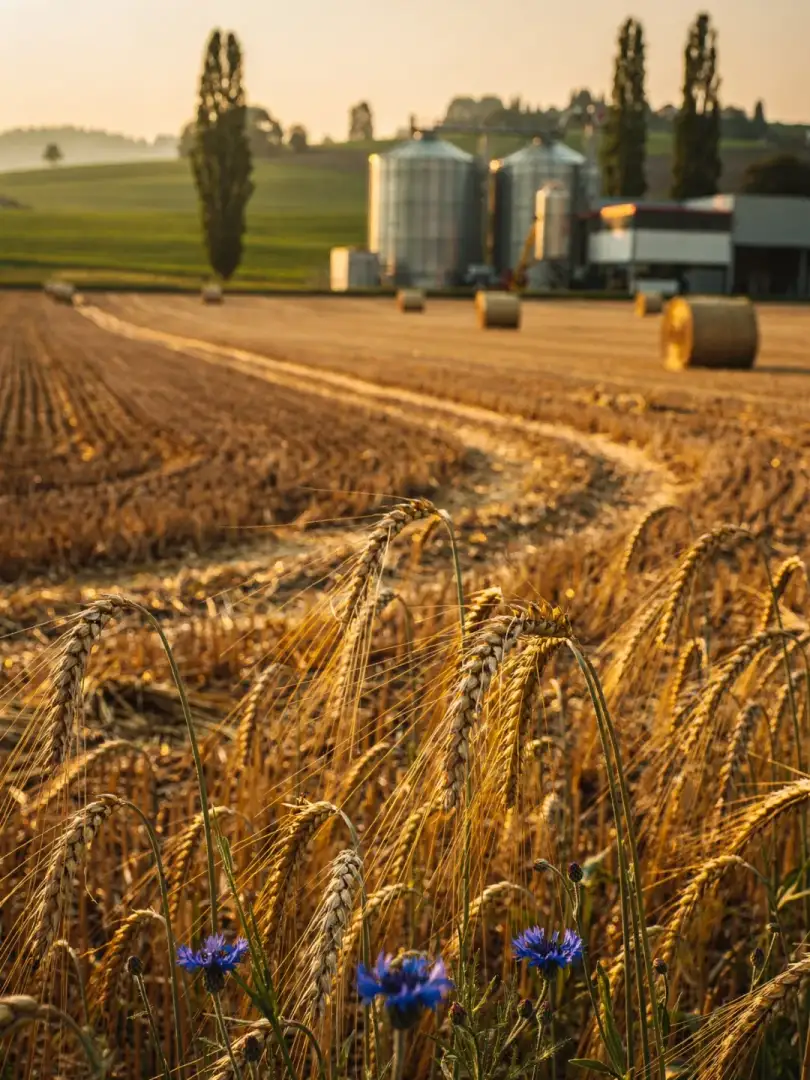
For some years now, an initiative has been trying to change this. IG Mittellandmalz connects farmers from the Swiss Mittelland with breweries, aiming to grow brewing barley domestically and malt it there too. To that end, Schweizer Mälzerei AG in Möriken-Wildegg, canton of Aargau, began operations with three ten-ton drums.
That's a small start compared to the volumes breweries like Feldschlösschen need. But the logic is simple: buy regional malt, and you know exactly which field it came from, with short transport distances to boot.
For the flavor of the flagship beer, this means: pale lager lives on a clean, bready, slightly sweet malt body. It shouldn't taste roasty, but rather like fresh white bread or crackers. In the end, where the malt comes from matters less than the quality of the batch.