Barley from Aroostook
Malt & Grain
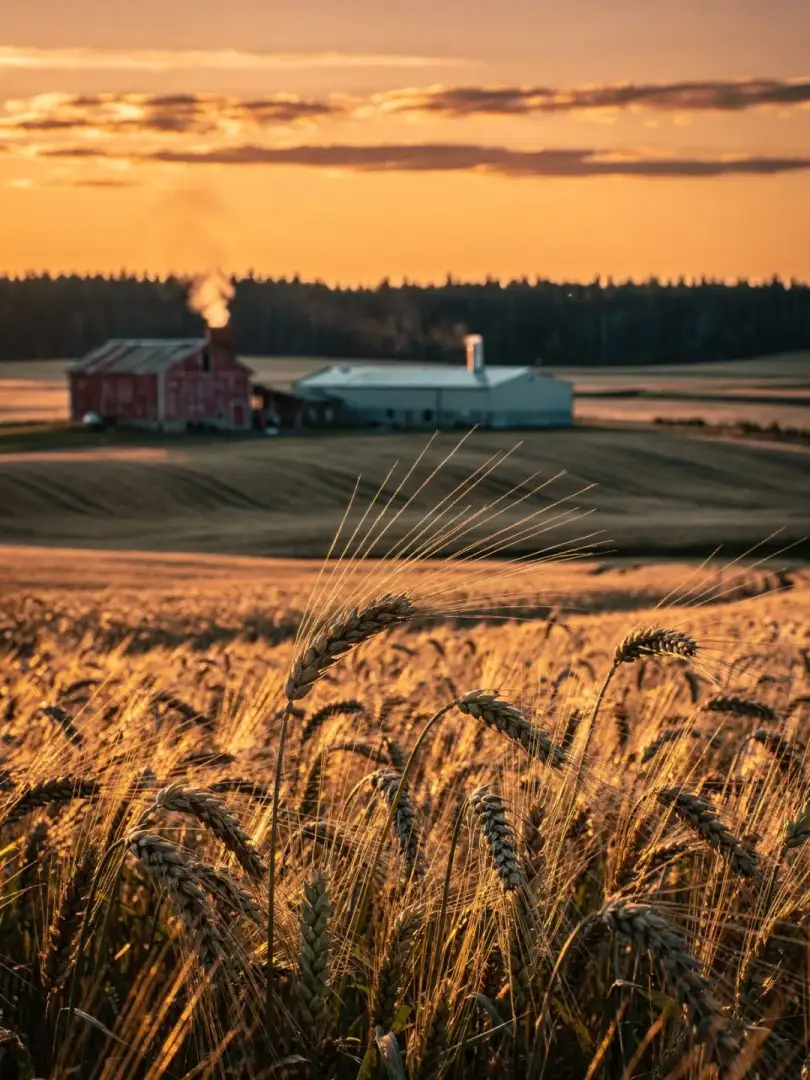
Anyone asking about malt in Maine ends up heading north. In Mapleton, in Aroostook County—a region otherwise associated with potatoes—six brothers from the Buck family run the Maine Malt House. They converted a former potato storage building into an automated malting facility. The reason was simple: until then, the state's brewers had been buying their malt from far away.
Malt is made by soaking grain until it germinates, then halting the sprouting process with heat in a kiln. During this process, enzymes convert the grain's starch into fermentable sugar. The Maine Malt House reports farming around 800 hectares of grain per year and malting about 30 tons a week for breweries and distilleries across New England.
With witbier, the grain takes center stage. Allagash White gets its milky haze and soft texture from wheat, which sits alongside barley malt in the mash. Orange peel from Curaçao oranges and coriander round it out. This is the basic idea behind Belgian witbier from Brabant, which Rob Tod brought to the coast of Maine in 1995.
The ales from Geary's and Shipyard follow a different model. Both are brewed in the English style, which above all means barley malt playing the lead role. It gives the beer body and an aroma of bread crust and caramel. That sets them apart from many West Coast craft beers, which push hops to the forefront.
The fact that the barley comes from the northern part of their own state is an argument brewers like to make. They can say exactly where the grain came from, and the distances are short. That doesn't necessarily make the malt cheaper than a sack from the Midwest, but it does tell a story from field to tap.