The short answer
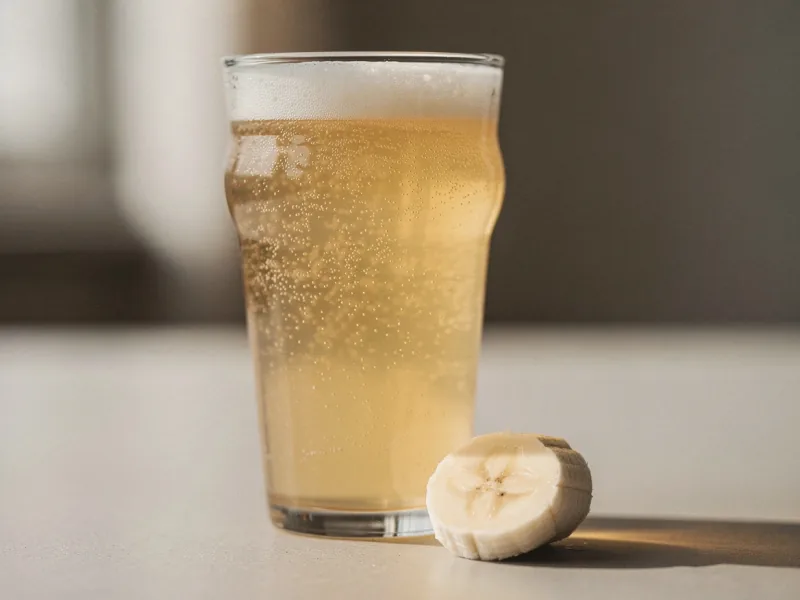
In a German Hefeweizen, the notes of banana and clove come from the yeast and the fermentation process. Nothing is added to create them. So there's no fruit flavoring or spice in the glass—just beer that naturally smells this way.
Wheat Is More Than Just a Flavor Note
Wheat is used alongside barley. It mainly changes two things: mouthfeel and foam.
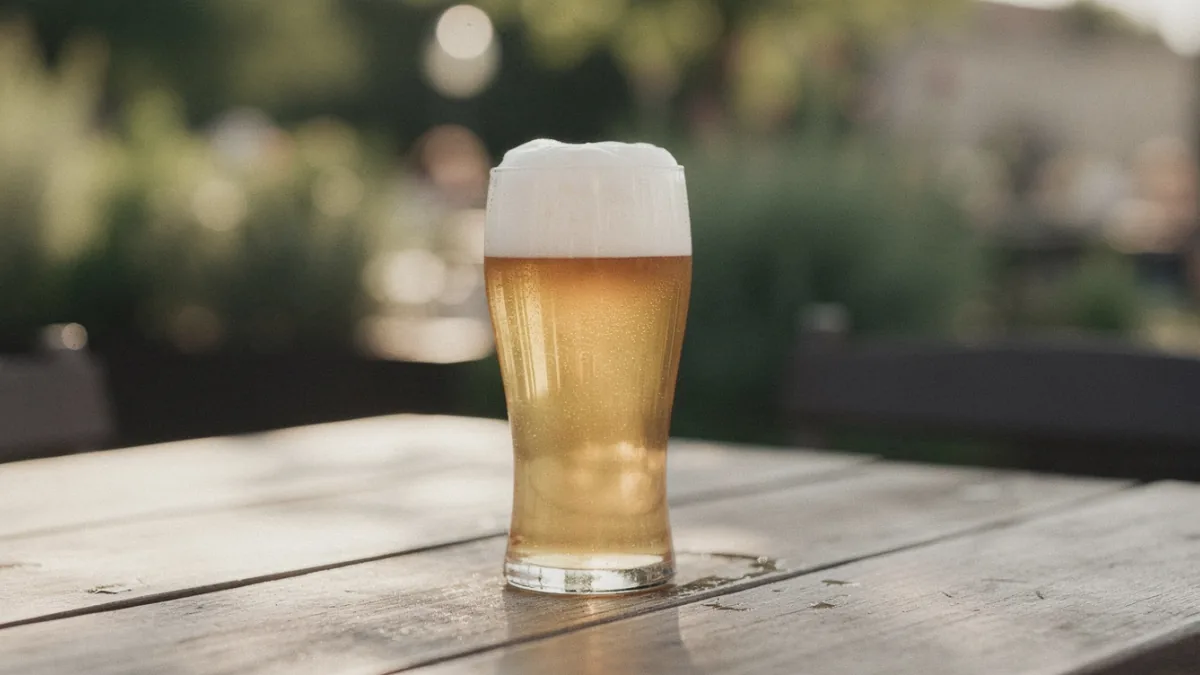
Wheat contains more protein than barley, and this protein stabilizes the foam. That's why you get the dense, long-lasting head many people associate with wheat beer. It comes from the grain, not from how it's poured.
The cloudiness has a different cause. It comes from the yeast that remains in the beer. When pouring, you gently swirl it at the end and add it to the glass.
If you leave the yeast in the bottle, you get a clearer, noticeably more subdued beer. Same contents, different impression. You can try this with a single bottle: pour the clear portion first, then add the rest along with the yeast.
Depending on the style and filtration, wheat beers can appear cloudy or clear. Hefeweizen is just one part of the larger wheat beer family.
Hefeweizen, Kristallweizen, and Other Styles
A clear version isn't inherently worse than a cloudy one. It's simply different, and some people prefer it for exactly that reason.
A Belgian Witbier isn't just a German Weißbier under a different name either. Read the specific style designation and, where available, the ingredient list.
Banana and clove, by the way, aren't just vague descriptive impressions. They're identifiable compounds that the yeast produces during fermentation. How much of each develops is something the brewery controls through temperature and fermentation management.
That's why two Hefeweizens can taste so different, even though both contain only malt, hops, yeast, and water. One comes across as fruitier, the other spicier. Neither is done wrong.
If the aroma interests you, take a sniff before your first sip. Afterward, note whether you pick up more fruit or more spice. "Banana" and "clove" are just helpful reference points, not mandatory answers.
When pouring, follow the brewer's instructions, especially if yeast has settled at the bottom of the bottle. Also use a thoroughly rinsed glass. A glass that smells of dish soap makes any comparison unnecessarily difficult.