Lager, Beechwood, Ale
Yeast & Fermentation
In the limestone caves of St. Louis, beer aged cold, and that's the essence of lager. The word comes from the German lagern, meaning to store: after fermentation, the beer rests for weeks at temperatures near freezing until it tastes clear and smooth. Johann Adam Lemp needed the rock for this, and his successors expanded on it.
The yeast settles to the bottom at the end of fermentation, which is why it's called bottom-fermenting. Lager yeast works slowly and cleanly at low temperatures; it's a hybrid of two yeast species and produces fewer fruity by-products than ale yeast. It's precisely this restraint that American lager seeks.
According to its own statements, Anheuser-Busch works with a proprietary yeast strain that the company maintains in-house. Where ice blocks once provided the cooling, refrigeration systems now regulate the temperature in the fermentation and lagering cellars.
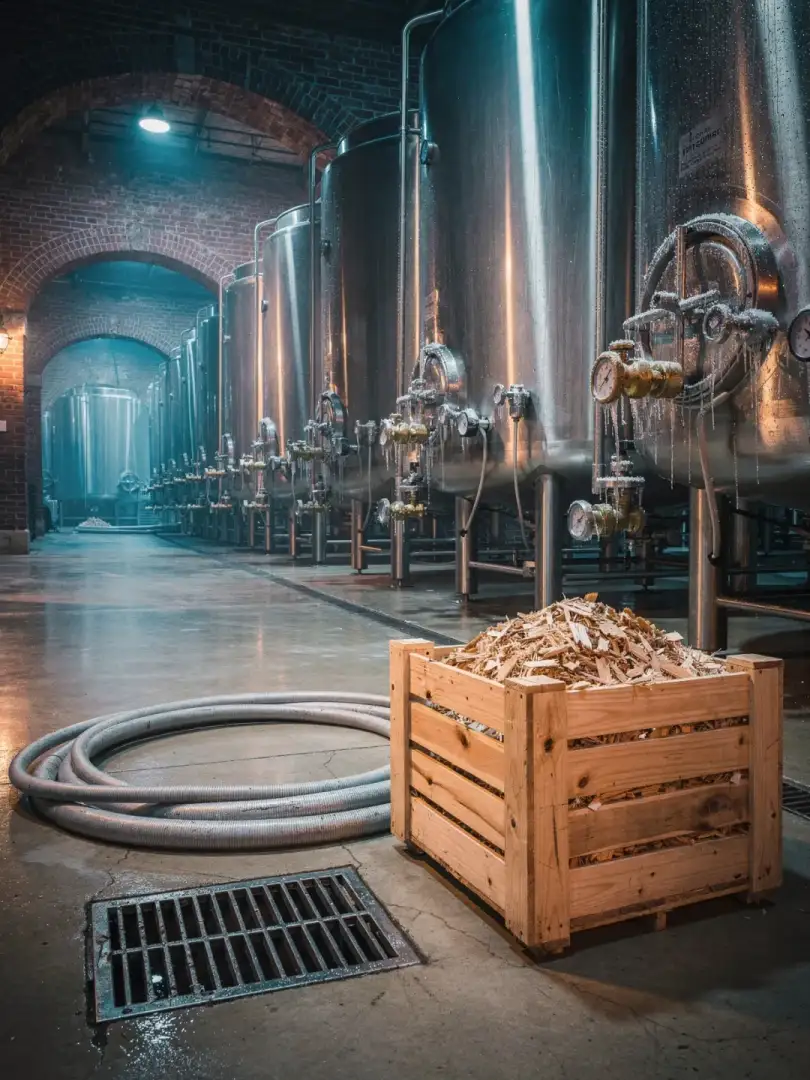
The beechwood in the lagering tank is famous. According to the brewery, chips of beechwood are placed there, pre-boiled so they impart no flavor. They increase the surface area on which the yeast can settle, helping to make the beer clearer and cleaner. This has nothing to do with smoke or barrel flavor.
Pale Ale, by contrast, ferments with top-fermenting yeast, which floats on the surface and works faster at higher temperatures. It brings fruity notes that the hops then build on. Schlafly brews both lagers and ales side by side, demonstrating the difference under one roof without ever leaving the city.