Skip to content
Gustofolio
Knowledge HubProducersMeet & TasteEvents
CaptureCollectionTasteEnjoyShare
Roadmap
Knowledge HubProducersMeet & TasteEvents
CaptureCollectionTasteEnjoyShare
Beta roadmapCreate account
Legal NoticePrivacy
ENSign inCreate account
Drinks EncyclopediaLexiconKnowledge JourneysJourneysTopic WorldsTopicsAll ArticlesArticlesCocktail RecipesCocktailsRecipes with drinksRecipes
Encyclopedia/Cocktails

Gin · Shaken

Corpse Reviver No. 2

Four ingredients in equal parts: gin, orange liqueur, Lillet Blanc and lemon. Lillet Blanc is an aromatised wine. A dash of absinthe adds anise and herbal notes. The result is a taut, refreshing sour.

As of: 17. September 2026 · Classic bar culture, 1930 recipe

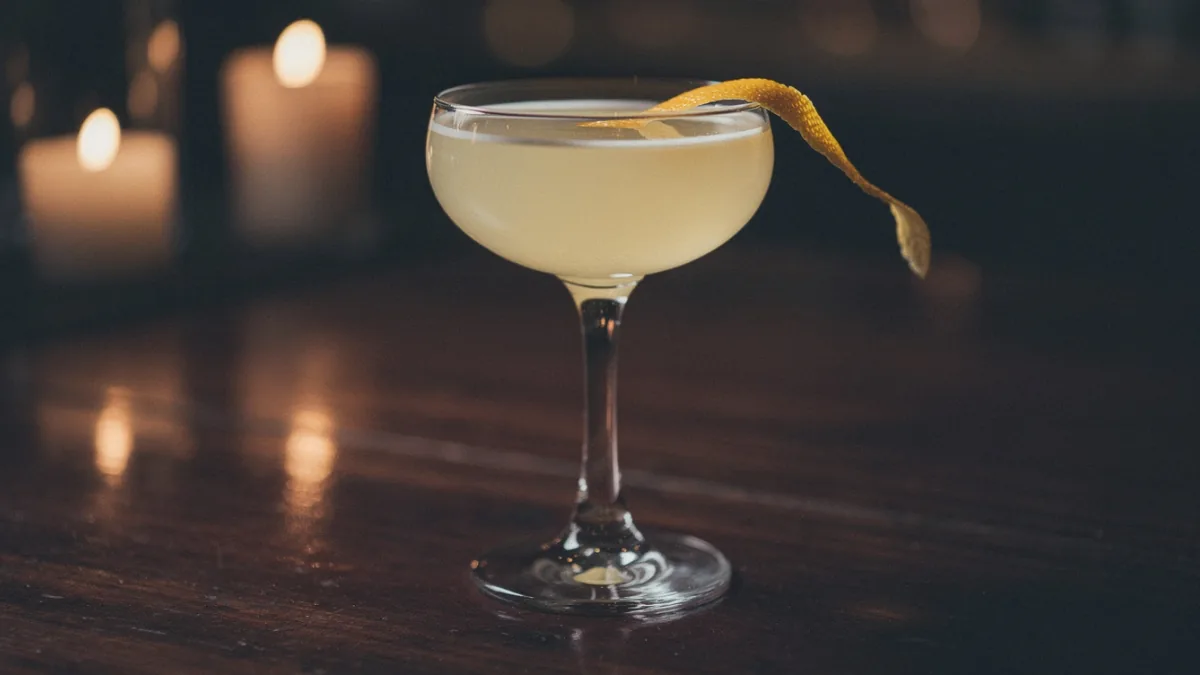
Corpse Reviver No. 2 im Cocktail glass

Ingredients

  • 30 mlGin
  • 30 mlCointreau
  • 30 mlLillet Blanc
  • 30 mlfresh lemon juice
  • 1 dashabsinthe
Glass
Cocktail glass
Method
Shaken
Garnish
orange zest
Taste
fresh, herbal
Calories
approx. 220 kcal per drink

How do you like the recipe?

4.7 · 6 ratings

  • Kai · September 2026

    Ich war bei Zitrone, Orange und Absinth erst skeptisch, aber das funktioniert.

  • Robin · September 2026

    Das ist einer von den Drinks, die man nicht nebenbei wegtrinkt. Mit etwas mehr Zeit im Glas verändert sich der Eindruck.

  • Lea · September 2026

    Die Mischung aus Gin und Zitrone, Orange und Absinth geht erstaunlich gut zusammen.

  • Bastian · September 2026

    Im Nachhall bleiben die Aromen von Zitrone, Orange und Absinth länger hängen als gedacht. Für mich eher was für später am Abend.

  • Lukas · September 2026

    Der Abgang ist für mich das beste an dem Cocktai.

  • Moritz · September 2026

    Die Aromen von Zitrone, Orange und Absinth kommen schön spät und bleiben dann eine Weile. Die Zitrone, Orange und Absinth Note bleibt bei mir ziemlich lang hängen.

Preparation

  1. Chill the serving glass. Add the measured ingredients to a shaker.
  2. Add plenty of solid ice cubes and shake hard for about 10–15 seconds.
  3. Strain into the chilled glass through a bar strainer, leaving the shaking ice in the shaker.
  4. Finish by garnishing with orange zest.

What does it taste like?

The first impression is sour and fresh. All four parts are equal in size, so none of them pushes to the front. Lemon supplies the acidity, Cointreau the sweetness with a clear orange note. Lillet Blanc brings wine character and herbal spice, along with some sweetness. Beneath it all sits the gin with its juniper. The absinthe is dosed in tiny amounts, yet you'll still smell and taste it: cool anise. Three of the four parts are alcohol, so the drink is stronger than its freshness suggests.

When does it work best?

A cocktail for before dinner or a late afternoon. It tastes fresh yet is surprisingly strong, which catches many people off guard by the second glass. Beginners often like it right away, since lemon and orange liqueur feel familiar. Only the anise from the absinthe remains a matter of taste. If you don't like liquorice, it's best to dose it even more sparingly.

What matters

Measure the absinthe really sparingly. One dash is enough — otherwise the anise will overpower everything else and the four equal parts lose their whole point. Use freshly squeezed lemon juice, not bottled. With equal parts, any tired-tasting juice stands out immediately. By the way, the name is no promise of a cure for hangovers or tiredness — it comes from old bar slang.
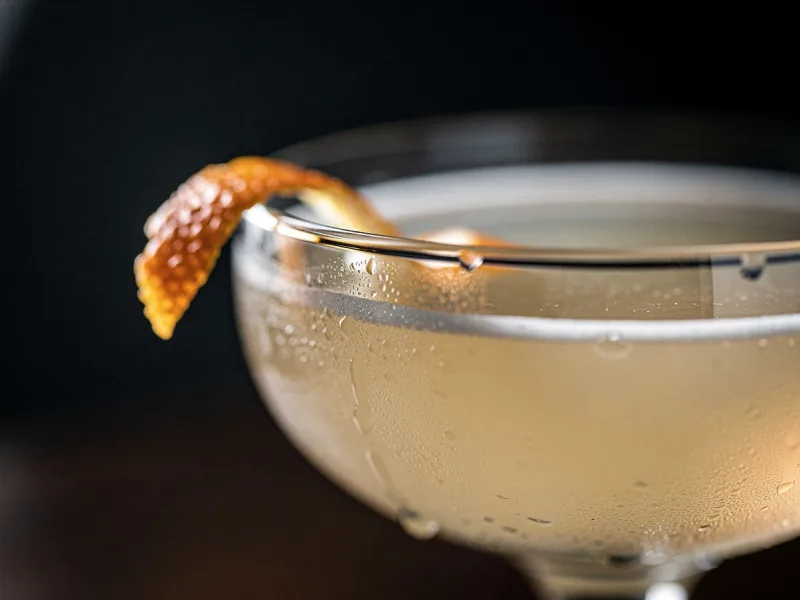
Corpse Reviver No. 2 — detail

Where the drink comes from

Corpse Reviver wasn't originally a single drink but an entire category. It referred to mixtures supposedly meant to bring you back to life. The version known today as No. 2 appears in a 1930 recipe. Its name belongs to the bar slang of that era and isn't meant as health advice. It has endured for a different reason: four equal parts plus a tiny touch of absinthe create a pattern that's instantly memorable. Once you understand how equal parts work, it's easy to build further drinks from that same idea.

Related knowledge

  • What is gin? Juniper and countless possible flavors
  • Cocktail Balance: Sweetness, Acidity, Bitterness, Dilution
  • Gin for Beginners: Finding Your Flavor, Tuning Your G&T

In the same direction

You might enjoy this too.

  • Gin Basil Smash

    A Gin Sour with ten basil leaves in the shaker. Lemon and sugar syrup balance each other out, while the herb gives the drink its aroma and a green note. Double-strained, it arrives clear in the glass.

    To the recipe ↗
  • Last Word

    Four ingredients in equal parts: gin, green herbal liqueur, cherry liqueur, and fresh lime. This creates a short, bold drink that tastes sweet, sour, and herbal all at once. Remarkably complex flavor for so little effort.

    To the recipe ↗
  • South Side

    A short, cold gin cocktail with lemon, sugar, and fresh mint. It goes into the glass without soda, keeping it bold. You'll smell the mint before you even taste it.

    To the recipe ↗

What's in your bar?

With Gustofolio, you keep track of which bottles you have — and what becomes of them.

Discover Gustofolio ↗

Images generated with AI · Text AI-assisted, editorially reviewed

Gustofolio
Drinks EncyclopediaCocktail RecipesRecipesProducersTastings near youEventsWine App GuideBeer App GuideWhisky App GuideTasting App GuideBeta RoadmapPrivacy PolicyTerms of UseLegal NoticeContact

May we measure which areas get used?

With Google Analytics and a cookie, without the contents of your collection. You can change this anytime. Privacy policy