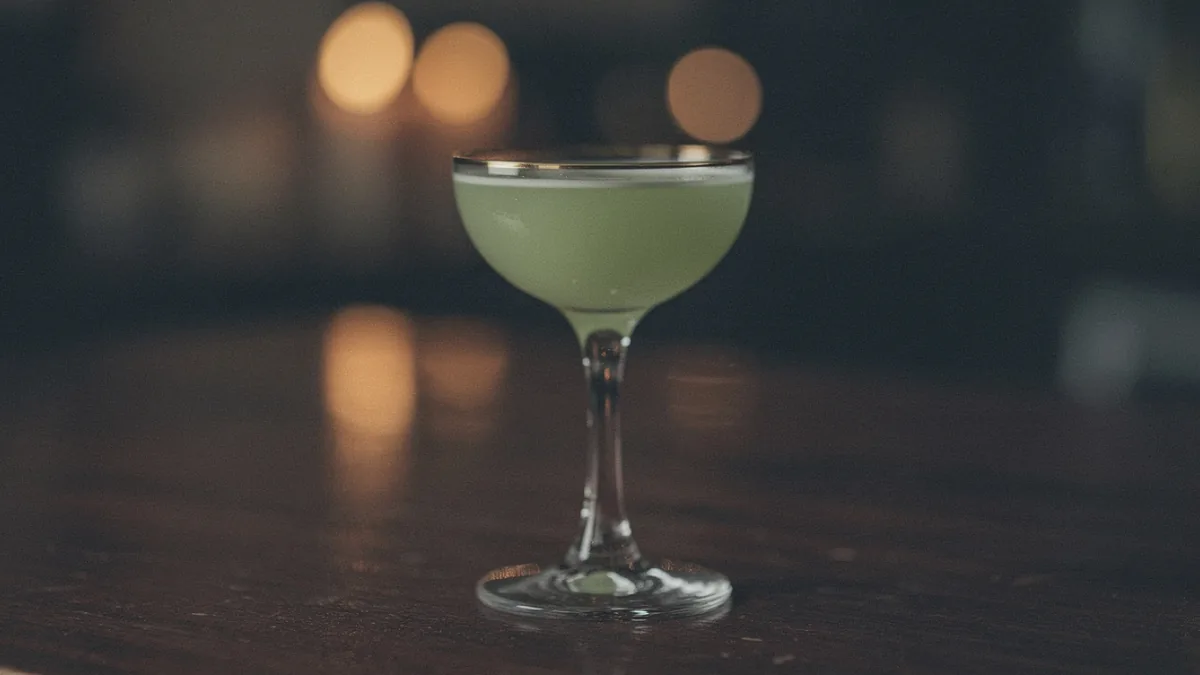
Preparation
- Chill the serving glass beforehand. Add the measured ingredients to a shaker.
- Add plenty of solid ice cubes and shake vigorously for about 10–15 seconds.
- Strain through a strainer into the chilled glass; the shaking ice stays in the shaker.
What does it taste like?
The first sip is a lot all at once. The lime brings sharp acidity, the cherry liqueur answers with sweetness, and the green Chartreuse layers on intense herbal spice. This herbal liqueur is the most striking ingredient; it tastes sharp, spicy, and a bit sweet. The gin, with its juniper character, ties it all together. Because all four parts are equal in size, nothing pushes forward, but nothing falls back either. The drink is short, ice-cold, and strong: three of the four ingredients contain alcohol. In the finish, herbs and lime linger for a long time.
When does it work best?
Not for casual sipping. The Last Word is small, strong, and very aromatic—you drink it slowly, in small sips. If you like herbal liqueurs, you'll enjoy it. As a pre-dinner drink it stimulates the appetite, and it works just as well late in the evening. Beginners should smell the Chartreuse first; that's what decides whether the whole thing will appeal to you.
What matters
Measure precisely. Equal parts is the whole recipe here; even five extra milliliters of Chartreuse will overpower the other three ingredients. Yellow Chartreuse is milder and spiced differently, resulting in a different drink. Squeeze the lime fresh. Shake vigorously and strain immediately, so the drink arrives ice-cold in the glass rather than getting watered down in the shaker.
Where the drink comes from
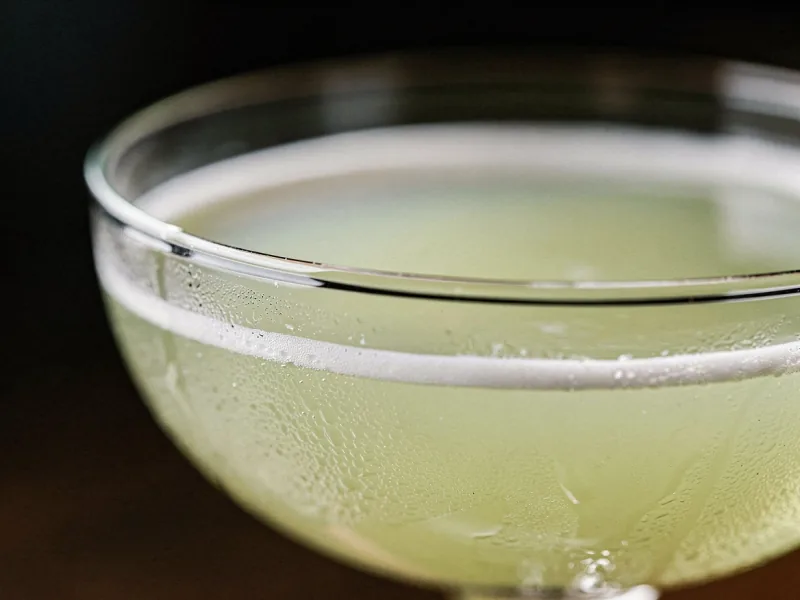
The Last Word belongs to the Detroit Athletic Club and was already named there back in 1916. A recipe published later made the equal-parts mixture easy to reproduce. The drink only returned to modern bars much later. Its story shows how older recipes get rediscovered. Today it serves as a model for new cocktails made of equal parts: two bold liqueurs, a spirit, and citrus juice in a row. Four equal amounts are easy to remember, which helps when recreating it.