The short answer
Choose your gin based on the drink you want to make. For starters, a dry gin with a clear flavor description will do just fine. With a Gin & Tonic, dial in your ratio first, then change only one thing at a time from there.
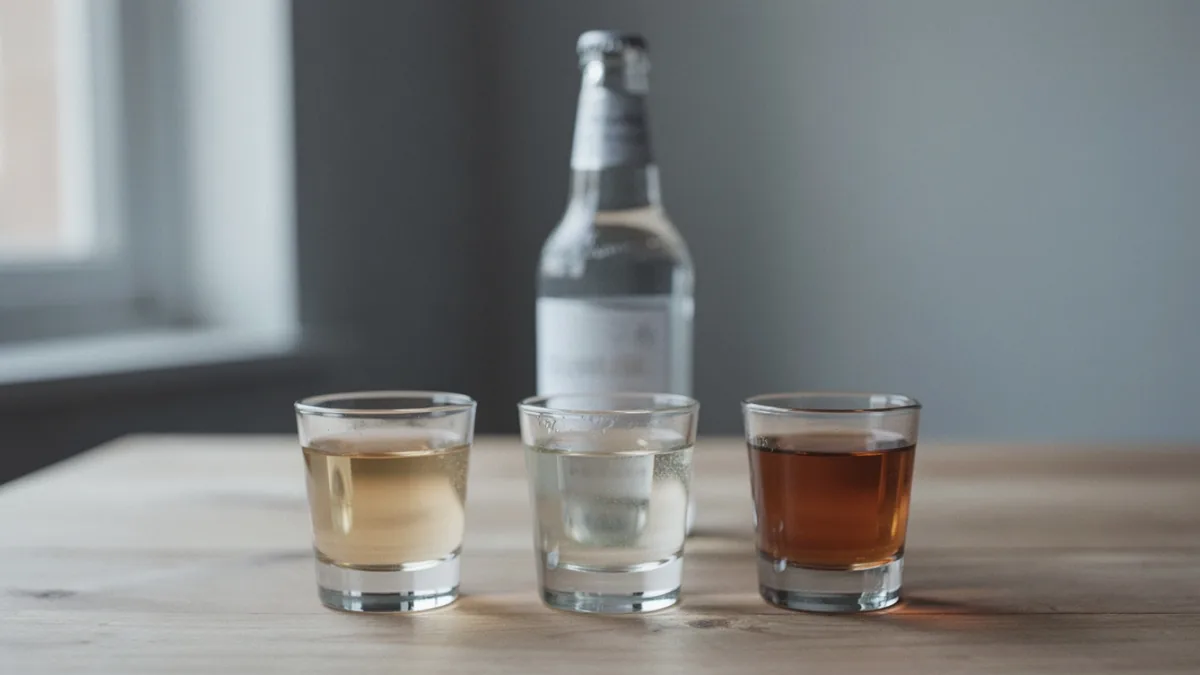
Which gin suits you? Three directions
You don't need to memorize herb names. Just think about what you enjoy drinking: fresh and citrusy, herbal and spicy, or more floral. Juniper is in every gin — everything else varies widely. The description on the bottle is a hint, not a promise.
For your first comparison, two small bottles with clearly different styles are more useful than two expensive ones with similar marketing copy. Try them in the same mix. If you change the tonic, ratio, and garnish all at once, you won't know afterward what you actually liked.
| You're looking for … | Pay attention in the description to … | Practical starting point |
|---|---|---|
| Freshness | Citrus peel, clear juniper note | Gin Fizz; the acidity also comes from lemon |
| Herbs and spice | Juniper, coriander, spicy botanicals | Gin and tonic with a restrained mixer |
| Floral aroma | Floral botanicals, more delicate scent | Compare first with a little neutral tonic |
Which label details actually help
London Dry describes how the gin was made, not where. It doesn't have to come from London, and it isn't a quality grade. Old Tom usually stands for a somewhat sweeter style. Navy Strength means high alcohol, often around 57 percent. If you compare that gin in equal measures to a lighter one, the drink quickly becomes too strong.
Sloe Gin is a sloe liqueur, not a substitute for dry gin. Pink Gin can mean two things: a pink-colored product or an old cocktail made with gin and bitters. Read the exact label and ABV before following a recipe. To start, one bottle that matches your planned drink is enough.
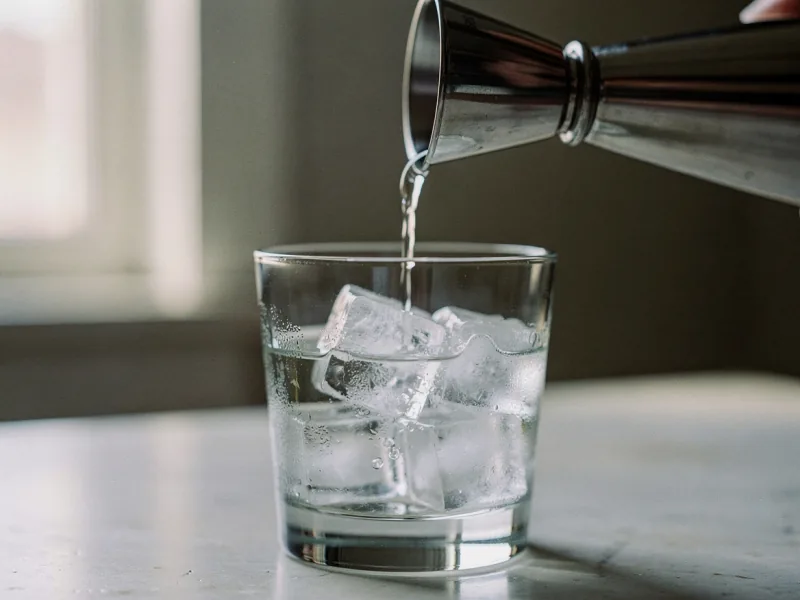
Your first gin and tonic
Start with 40 ml gin and 120 ml well-chilled tonic over plenty of ice. That's a starting point, not a rule. With 80 ml tonic you'll taste the gin more clearly; with 160 ml the tonic takes over. More tonic dilutes the drink, but the alcohol in the glass stays the same.
Fill the glass with ice, add the gin, then slowly pour the tonic over it. A gentle stir is enough. For your first comparison, skip the garnish or use just one. A handful of herbs and citrus slices will mask the very gin you're trying to get to know.
If you want to compare several ratios, mix small amounts using the exact same ingredients each time. The important thing is to measure, not to eyeball it.
Finding the right tonic
A tonic can be sweet and bitter at the same time. If a gin and tonic tastes too harsh, try the tonic on its own first. If it's freshness you're missing, more gin is rarely the fix. A heavily perfumed tonic will mask a delicate gin; a plain one makes comparison easier.
Change only one thing at a time: first the ratio, then the tonic brand. When switching, check the sugar content on the label. Low-sugar tonics often taste noticeably different. Names like "Mediterranean" or "Botanical" don't tell you how sweet or bitter the tonic is.
Three cocktails, three directions
A Gin Fizz is gin with lemon, sugar, and soda — fresh and long. A Gin Basil Smash adds fresh basil to the mix. A Negroni combines gin with Campari and red vermouth and is noticeably more bitter and stronger.
Pick your cocktail based on that difference, not on how famous it is. If you don't like bitter, don't start with a Negroni. If you love bitter aperitifs, a sweet fruity mix won't win you over. The recipes in the encyclopedia give you the quantities and method.
Tasting gin neat
For a first impression, a small pour in a clean, tulip-shaped glass is enough. Hold your nose a little above the rim at first. If the alcohol stings, pull back and add a few drops of water later. Simply describe what you smell: lemon, herbs, spice, florals, or juniper.
The same gin doesn't have to taste as good neat as it does in a cocktail. Some flavors behave differently once mixed, and tonic brings its own sweetness and bitterness. So note separately how it tastes neat and how it tastes in a drink. You're looking for a use you enjoy, not a verdict on the bottle.
Purchases you can skip
Don't buy based on bottle color or a long list of exotic ingredients. Ask something more concrete instead: Can you clearly taste the juniper? How does the gin perform in a gin and tonic? Can I try it first? Decide beforehand what you're willing to spend, and factor in the tonic too.
Store the bottle sealed, upright, and out of the light. For a cold drink, chill the glass and the tonic — your whole collection doesn't need to go in the freezer. If you don't like a bottle in one recipe, try it in another before buying the next one.
Your plan for getting started
Pick a flavor direction and a drink. Buy the ingredients for it. Mix exactly the version described first, then jot down a note afterward: "too bitter," "I love the basil," "clearer with less tonic." Your next step will follow naturally from there.
If you want a deeper understanding of gin, read up on juniper and botanicals. If you'd rather just start mixing, grab a recipe. You don't have to read all the theory before making your first properly measured drink.