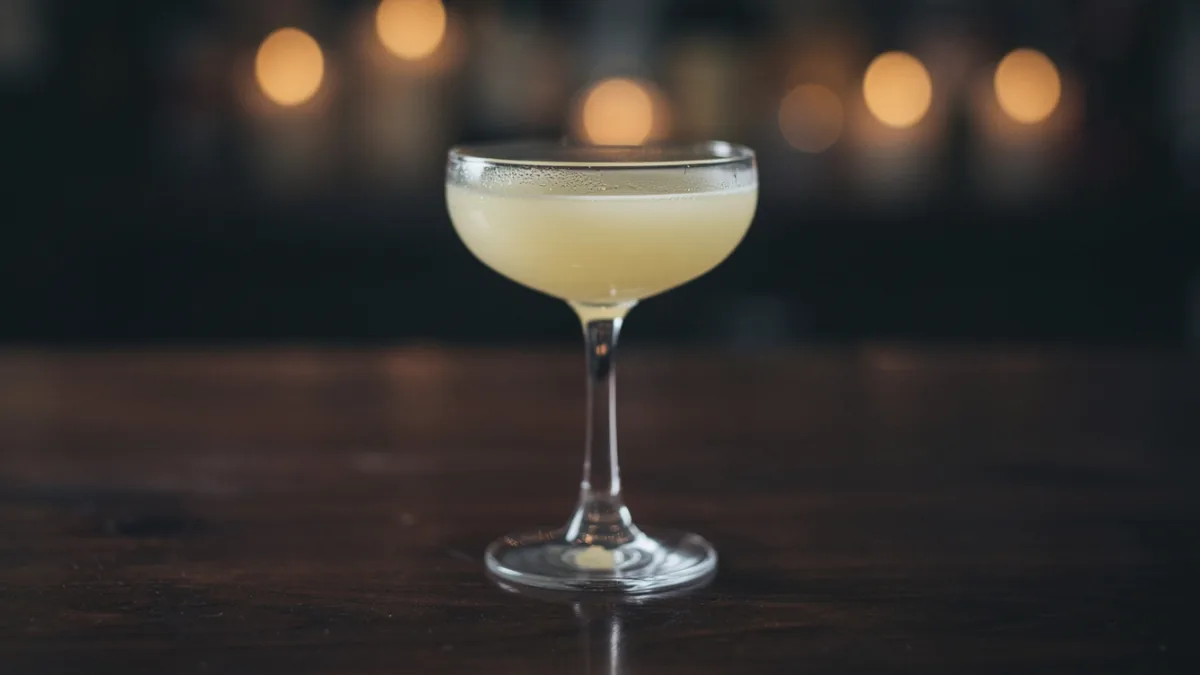
Preparation
- Stir the rum, lime juice, and fine sugar in the shaker until the sugar dissolves.
- Add plenty of ice and shake vigorously.
- Strain into a chilled cocktail coupe, served without ice.
What does it taste like?
The Daiquiri tastes sour, sweet, and strong all at once, and none of these three notes dominates. First comes the lime with its clear, sharp acidity. The sugar tempers it without making the drink sweet. Behind that sits the white rum, soft and dry, with a faint hint of sugarcane. Because 60 milliliters of rum meet just 20 milliliters of juice, the cocktail is quite strong. It's served cold and without ice in the coupe, staying just as concentrated until the last sip. Drink it quickly, or it will warm up.
When does it work best?
The Daiquiri is the test for every bar and every home bar alike. Beginners often like it, since the balance of sourness and sweetness feels familiar. Still, it's not truly mild—there's too much rum in it for that. It pairs especially well before meals and on hot days. Anyone expecting a frozen fruit daiquiri will be in for a surprise.
What matters
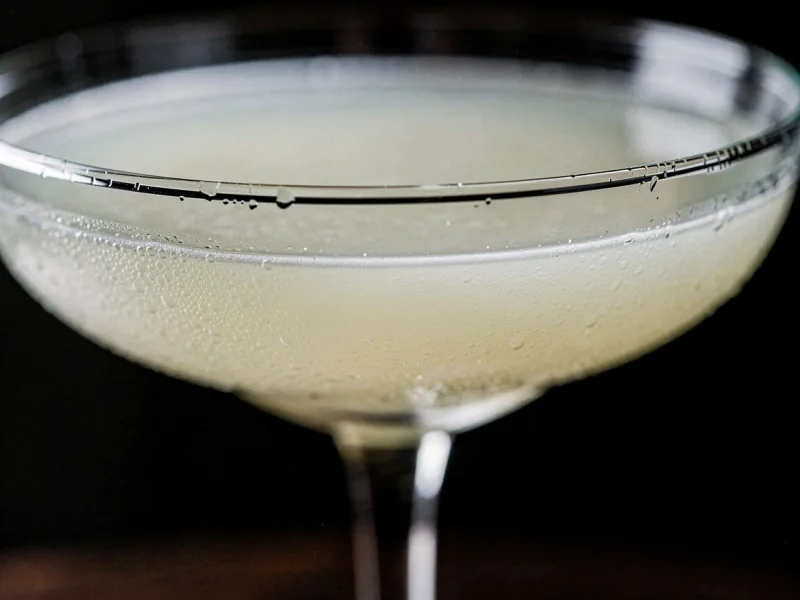
Dissolve the sugar first. Stir it with the rum and lime juice in the shaker until no crystals remain, and only then add the ice. Sugar dissolves more slowly in cold liquid, so mix thoroughly before adding ice. If it stays grainy, the drink tastes sour on top and sweet at the bottom. Chill the coupe beforehand, since it's served without ice.
Where the drink comes from
The name comes from a place near Santiago de Cuba. Mining engineer Jennings Cox is often credited, around the turn of the 20th century. However, he likely didn't invent the mixture itself. Rum, citrus, and sugar had already been combined in a glass before his time. What was new was the fixed formula: a short recipe with precise measurements that could be recreated exactly every time. That's where the true significance of the Daiquiri lies. There's no single certificate of invention for it.