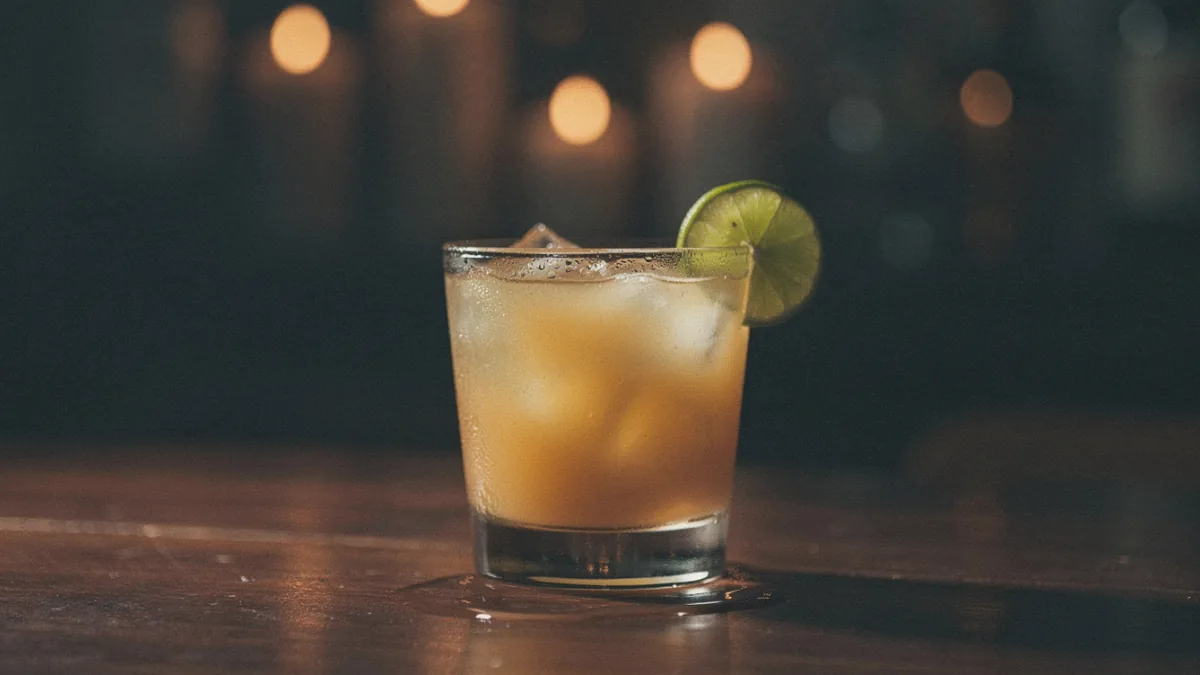
Preparation
- Stir the honey completely into the water and lime juice.
- Pour the mixture into the cup and add coarsely crushed ice.
- Add the aguardiente and stir well from bottom to top.
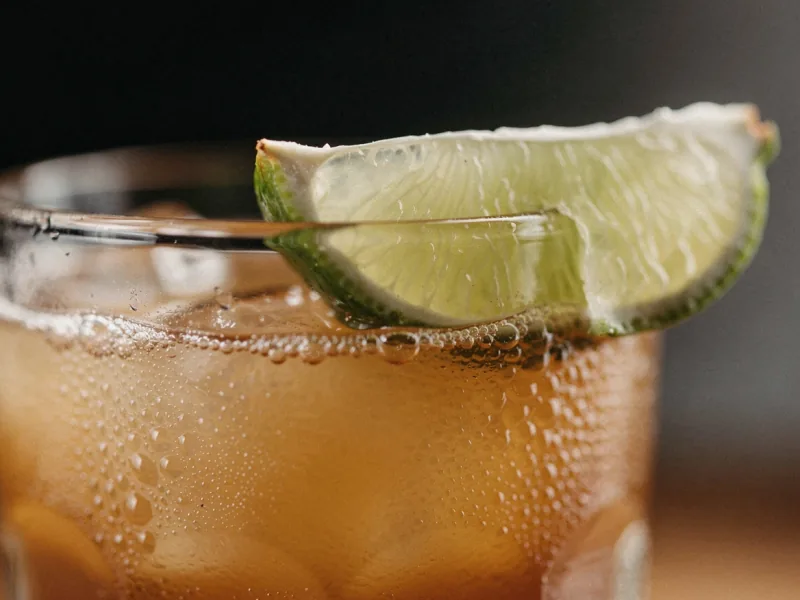
- Finish with garnish: lime wedge.
What does it taste like?
The first impression is sweet. That comes from the honey, which sweetens differently than sugar: fuller and a bit spicier. Right after, the lime pulls that sweetness back into balance. The sugarcane spirit stands strong behind it, but is tempered by 50 milliliters of water and plenty of crushed ice. That's why the Canchanchara, despite its 60 milliliters of spirit, doesn't taste harsh but rounded. In the mouth it feels a bit thicker than a sour made with syrup, since honey brings more body. A sweet aftertaste lingers on the tongue at the end.
When does it work best?
A drink for the afternoon or early evening. Honey and water make it softer than most short rum drinks, so beginners get along with it well too. If you like honey in your tea, you'll like it here as well. The Canchanchara suits less well anyone who prefers things bone-dry. Sweetness is at the heart of this recipe.
What matters
Dissolve the honey in water and lime juice first, before adding ice to the glass. Cold honey turns thick and otherwise clumps at the bottom. The first sips then taste thin, while the last taste far too sweet. Finally, stir from bottom to top so the spirit distributes evenly.
Where the drink comes from
The Canchanchara belongs to Cuba and is associated with the independence struggles of the 19th century. Exactly when it originated is told differently across sources. There's no confirmed date. It's an old and very simple idea: sugarcane spirit, honey, citrus and water, nothing more is needed. You'll find this same pattern later in Cuban rum sours. If you use an aged rum today, you already have a deliberate variation in the glass, not the original version.