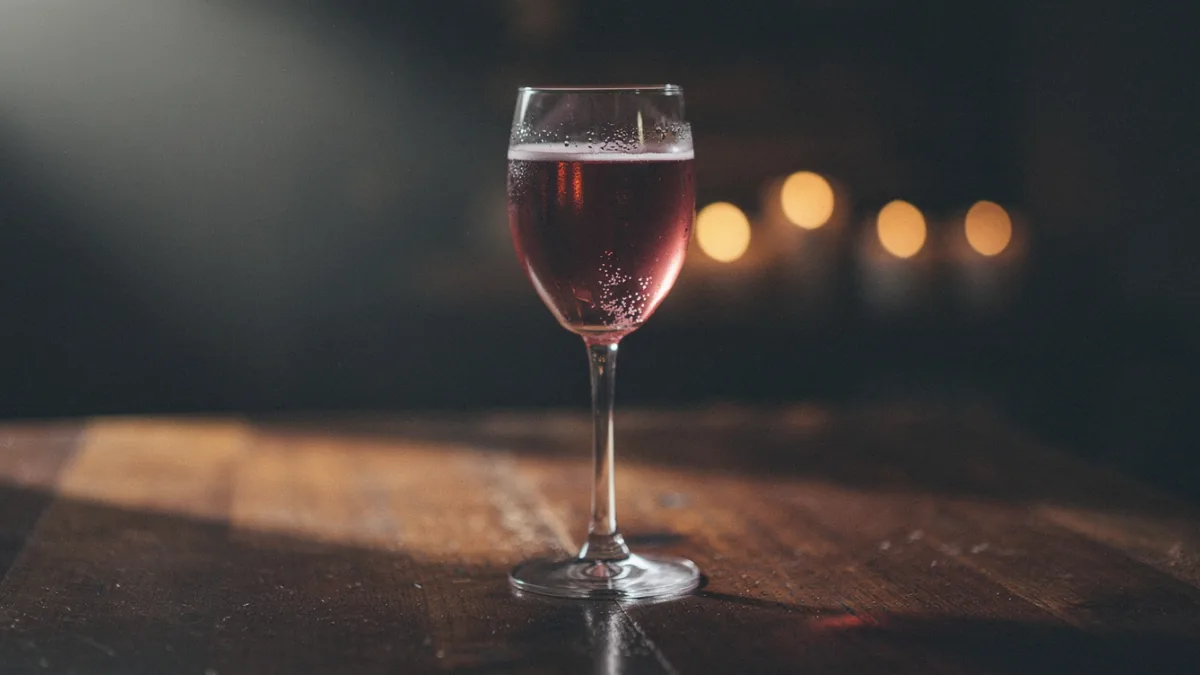
Preparation
- Chill the white wine and glass beforehand.
- Pour the Crème de Cassis into the glass.
- Top up with white wine and gently stir if needed.
What does it taste like?
You first taste the blackcurrant. The liqueur is sweet and very fruity, and its aroma reaches you straight out of the glass. Right behind it comes the white wine with its acidity, pulling the sweetness back. Since there's only ten milliliters of liqueur to ninety milliliters of wine, the Kir still remains, at heart, a wine drink. It's light, noticeably sweeter than plain wine, and pleasantly fruity. You barely taste any alcohol. Served cold it feels fresh, but served too warm, the sweetness pushes to the front.
When does it work best?
The Kir is the aperitif for people who don't want strong cocktails. It suits pre-dinner moments, conversations, and any reception. Wine drinkers who otherwise avoid cocktails often reach for this one. It's well suited to a long evening, since it stays light. It doesn't pair as well with bold dishes, as it's too fruity for that.
What matters
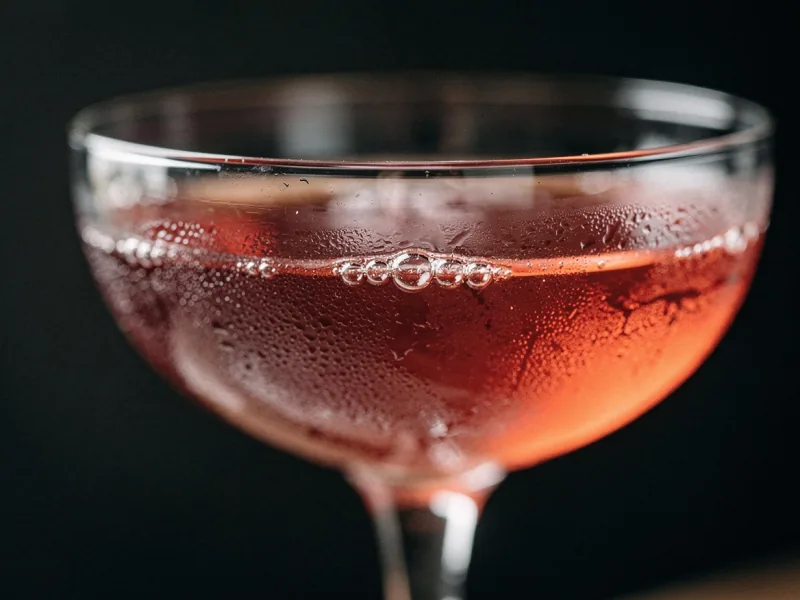
Use a truly dry white wine. A semi-dry wine plus a sweet liqueur quickly adds up to too much sweetness. Pour the cassis into the glass first, then top up with wine, so everything blends on its own. Chill both beforehand. Using Champagne instead of still wine turns this into the well-known Kir Royale variation—then pour slowly and at an angle so the bubbles stay intact.
Where the drink comes from
The Kir is named after Félix Kir. As mayor of Dijon, he made the mixture famous. However, he probably didn't invent it: white wine and cassis had already been combined before him. So his name stands more for popularizing it than inventing it. The drink has endured because it's so simple. If you use Champagne instead of still wine, you end up with the well-known Kir Royale variation. Two ingredients, one glass, no tools needed. That explains why you'll find it everywhere white wine and cassis are available.