The short answer
First, pay attention to what stands out most on the plate: creamy, fresh, roasted, sweet, or spicy. Then look for a wine that tastes good alongside it. The color of the meat is only a small part of the decision.
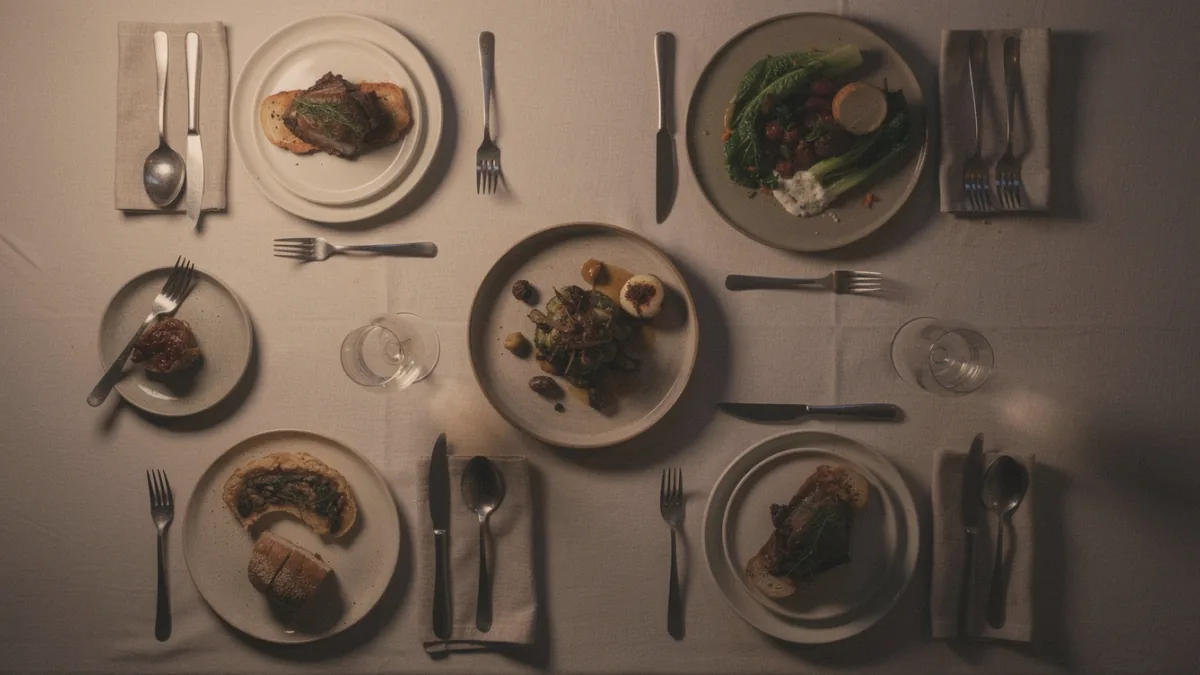
Describe the plate first
'Chicken' isn't a description yet. Poached chicken with lemon sauce tastes completely different from a crispy chicken thigh. A spicy curry is different again. So ask yourself first: what lingers in your mouth after a bite? The sauce, the seasoning, or the dark crust?
That's exactly the impression to mention when shopping. 'I'm looking for a not-too-heavy wine to go with chicken in a light cream sauce' is a useful request. Mention your budget too. Also say whether you like noticeable sweetness. Starting from your own taste is never a failure.
Often it's not the main ingredient that decides, but what surrounds it. A lemon sauce pulls the dish toward freshness. A cream sauce makes it rich, meaning soft and full in the mouth. A dark crust brings roasted notes that recall toast or the charred edge of a grill. Describe the plate in three or four words, and you'll already have half your answer when shopping.
The side dish counts too. Mashed potatoes, rice, or a salad with a sharp dressing shift the overall impression noticeably. Not sure which part has the strongest effect? Think about the last bite. Whatever lingers longest in your mouth afterward is usually the impression that should guide your wine choice.
Four directions as a starting point
A light, mildly seasoned dish usually calls for a restrained wine. Creamy dishes can handle a wine with a bit more body. When there are pronounced roasted or toasted notes, the companion can afford to be bolder. Chili gets its own treatment: high alcohol can make the spicy heat unpleasantly stronger.
These are directions, not recipes. A small taste alongside the finished dish tells you more than any chart. Two people at the same table often judge the same pairing differently.
You'll notice right away why heat gets separate treatment. The burning sensation doesn't disappear with a hearty sip—it gets louder. A wine with lower alcohol is the calmer choice here. Whether a touch of sweetness appeals to you as well is something only a direct comparison can reveal.
Body, by the way, doesn't mean sweetness. It refers to the impression that a wine feels broad and soft in the mouth. The opposite would be a lean wine that passes quickly. Alongside a creamy sauce, body can be pleasant because both sides share a similar texture. Next to a light, clean dish, the same wine can quickly feel too heavy.
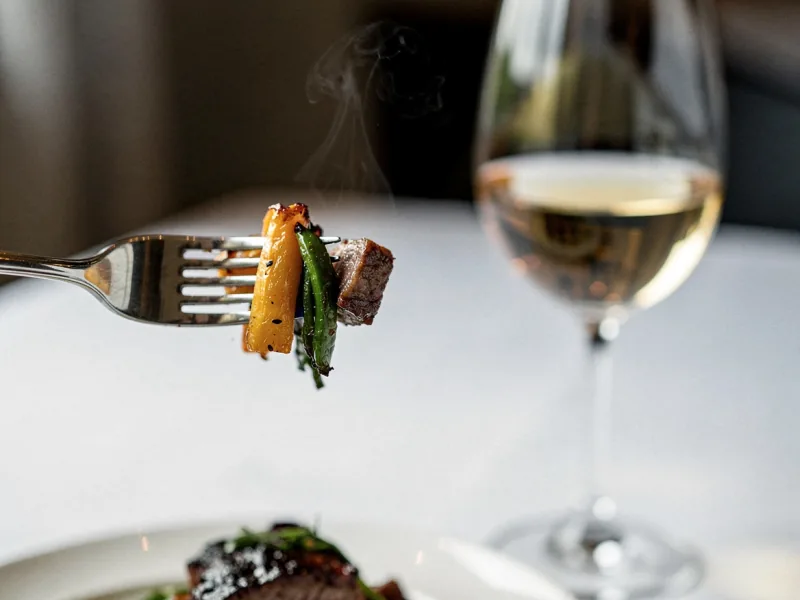
Three concrete experiments
With pasta in a mild mushroom cream sauce, my first attempt would be a Pinot Blanc without an obvious oak note. With a simply seasoned steak, reach for a red whose tannins you'd enjoy even without food. Tannins are the dry, slightly furry sensation that lingers in the mouth after a sip. With a vegetable dish featuring fresh herbs, a crisp white wine makes for a good comparison.
If you prefer red wine, you don't have to switch for fish. Try a lighter style with low tannin alongside a richly pan-seared fish. What matters is whether you like the overall impression. There's no color rule at the dinner table.
These experiments only turn into a real learning experience once you set them up as a comparison. For an occasion, buy two bottles in different styles and put both on the table. The difference between two glasses side by side is much easier to describe. A single bottle without a counterpart tells you far less.
How to taste a pairing
First take a small sip on its own and describe it in two words. Then take a bite of the complete dish, with sauce and side. After that, drink again. Does the wine now taste fresher, rougher, sweeter, or less fruity? That change is the interesting part.
Don't compare ten things at once. If something bothers you, change a single variable next time: less oak, less tannin, or a touch more sweetness. That way, your own collection of workable pairings grows bit by bit. You'll hardly need anyone else's rules after that.
Both tastings should come from the same glass, and the wine shouldn't be allowed to warm up in between. Two words per sip are enough: fresh and tart, soft and fruity, harsh and short. These notes look clumsy at first. After a few evenings, they're more useful than any description on the back label.
The order matters: first the wine alone, then the food, then the wine again. If you drink with a full mouth, all you taste is a blend. The change is no longer detectable. If nothing happens on the second sip, that's a result too.
Many guests, different plates
At a buffet, no single bottle needs to pair perfectly with every plate. A crisp white and an approachable red are two solid offerings. Alongside them, provide an equally carefully chosen non-alcoholic option. Water belongs on the table regardless.
Ask beforehand what your guests would like to drink. An affordable wine that everyone enjoys serves the evening better than an impressive bottle that hardly anyone touches. Plan around the people, not around how impressive the label sounds.
In practice, that means: two open bottles in clearly different styles beat four similar ones. Everyone can choose, and no one has to justify their pick. Serve the non-alcoholic option in the same glasses and in the same spot as the wine. Otherwise it looks like a fallback for the designated driver.
When the pairing doesn't work
A failed attempt doesn't mean your palate is wrong. Maybe the sauce was sweeter than expected. Maybe the wine was too warm, or the dish more heavily seasoned. Note the specific situation, not the verdict 'never works.'
Sometimes a different drink is simply the more pleasant solution: a mild beer, an unsweetened tea, or a non-alcoholic aperitif. The wine doesn't have to save the meal. The meal doesn't have to justify the wine. Good pairing leaves room for both.
When you jot things down, note three things: what was on the plate, which wine was in the glass, and exactly what bothered you. Did the wine taste harsh afterward? Did it seem thin? Did the fruit suddenly turn cloying? With a note like that, you'll ask for something specific on your next shopping trip instead of writing off an entire category.
Some problems have nothing to do with the pairing at all. A red wine served too warm tastes flabby and boozy no matter what's next to it. So check the simple things first: temperature, glassware, and whether you even liked the wine on its own, without food.
Where the old rules of thumb go wrong
Red with meat and white with fish isn't a rule—it's a mnemonic. It comes from a time when kitchens cooked in far less varied ways. It's right often enough that it's stuck around. But as soon as sauce or seasoning takes over the plate, it falls apart. It works as a starting point, not as a rulebook.
The second common misconception: a pricier bottle automatically pairs better. Price and fit have little to do with each other. A bold, tannic wine can simply be too loud next to a delicate dish. On its own, it might impress. At the table, what counts is how it works together with the food.
One bottle for several courses
With multiple courses, you don't have to open something new every time. Take your cue from the dish with the strongest impression—usually the course with the boldest sauce or the most pronounced sear. A wine that holds its own there will, at worst, feel a touch too present with the lighter plates, but it rarely feels wrong.
It's trickier the other way around. A very reserved wine practically disappears next to a boldly seasoned course. If you can't decide between two bottles, open both and pour smaller amounts. Comparing them on the same evening tells you more than wondering afterward which choice would have been right.