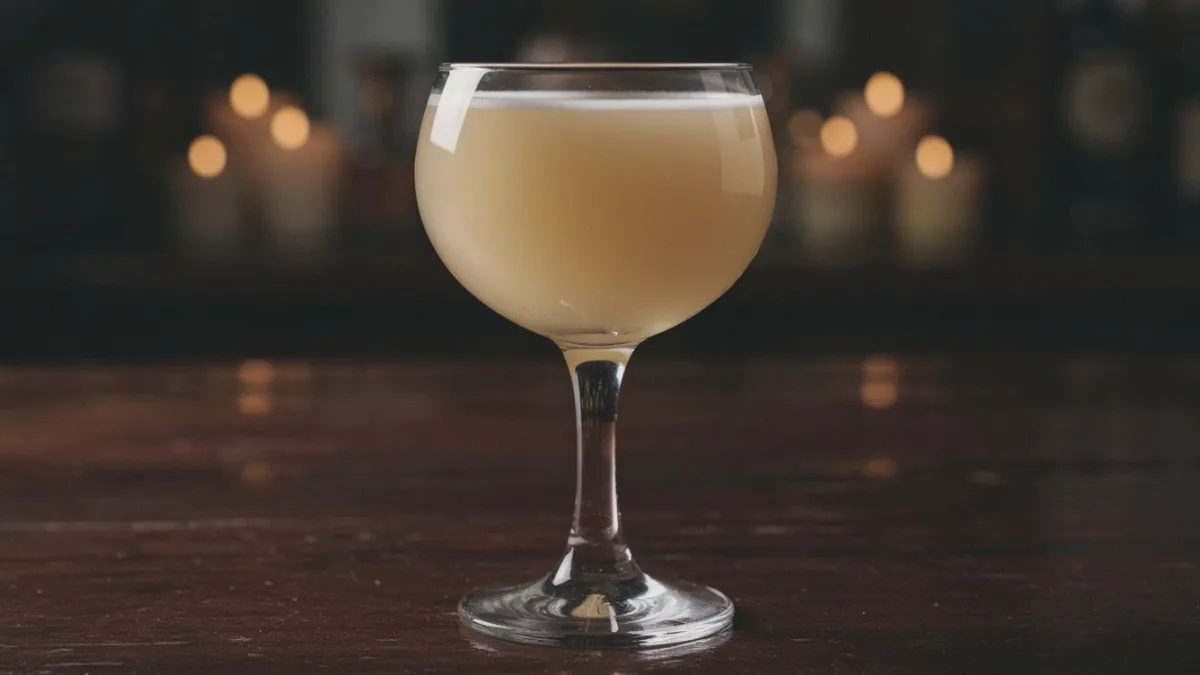
Preparation
- Gently muddle the cloves with the syrup in the shaker. Add pisco, pineapple juice, and lemon juice.
- Shake vigorously with ice and strain through a bar strainer and fine strainer into the pre-chilled goblet.
- Add the white wine and stir gently.
What does it taste like?
Pineapple comes first, sweet and juicy. Right behind it, clove announces itself with its warm, almost Christmassy spice, and it lingers. Lemon provides acidity, kept in check by the simple syrup. Pisco is a grape-based brandy, so the base tastes floral and grapey. The dry white wine lightens the drink and pulls it toward the drier side. Still, there are 60 milliliters of pisco in there, so the punch is no harmless fruit drink. In the finish, spice and grape stand side by side.
When does it work best?
The Pisco Punch suits sociable gatherings and long evenings at the table. It's fruity enough for beginners, but the clove gives it a distinctive character. Those who don't care for spice in their drinks should choose a simple sour instead. It works before a meal, and just as well afterward. Because wine and brandy come together here, it hits stronger than the fruit would suggest.
What matters
Muddle the cloves only very lightly. They release their flavor very quickly and very intensely, and too much clove overwhelms everything else. Then double-strain, through a bar strainer and a fine strainer, so no hard pieces end up in the glass. Stir the white wine in afterward, in the goblet, not in the shaker. Use a truly dry wine, otherwise the punch turns too sweet together with the syrup.
Where the drink comes from
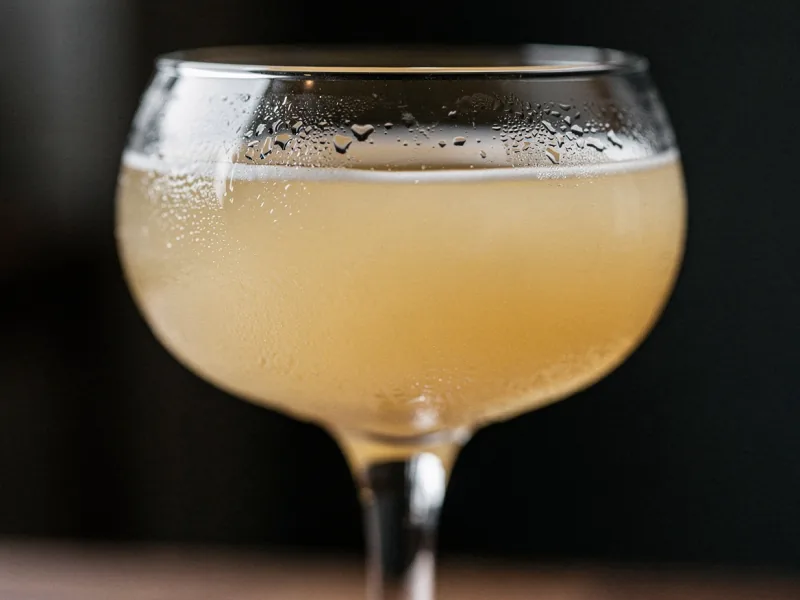
The Pisco Punch belongs to the historic bar culture of San Francisco. There, imported South American grape brandy met the punch tradition. Exactly how the original was mixed isn't fully documented. The details were never published, and later reconstructions differ significantly from one another. This version with pineapple, cloves, and white wine is therefore one interpretation within that family. It doesn't claim to be the original recipe. Still, anyone trying it gets a good sense of how such punches were built.